







Natural sweetener demand drives global concentrated pear juice market growth



 Add Fresh Fruit Portal to Google
The concentrated pear juice market is projected to reach $4.6 billion at a compound annual growth rate (CAGR) of nearly six percent by 2034, according to market data firm DataIntelo.


Growth is driven by increased demand from the food and beverage processing industry for value-added products and a continued shift toward naturally sourced sweeteners and flavor ingredients in the Asia-Pacific region, the leading producer.
China: The pear juice concentrate producer and growth-driver
According to Dataintelo, the Asia-Pacific region accounts for over 41 percent of the concentrated pear juice market. This leadership is anchored by China, which produces 70 percent of global pear output and is home to leading processing companies.
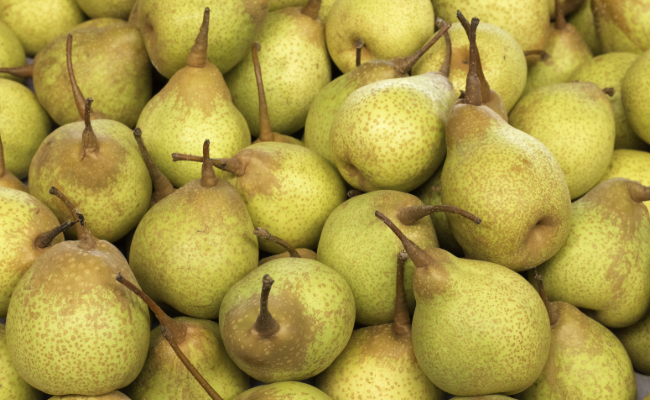
The country’s companies are increasingly preserving the juice’s nutrients through cold-press concentration techniques. This not only optimizes profits by allowing the marketing of premium product versions, but also supports efficiency and sustainability efforts, reducing water consumption and using solar-powered drying and evaporation units.
In the realm of premium, value-added products, the rise of specialty blends is also a major force driving the sector's expansion. These products use pear juice concentrates as a base to balance the flavor of more expensive or tart juices like pomegranate or sea buckthorn.
However, this not only enhances the consumption experience but also helps manufacturers keep production costs optimized.
A natural sweetener full of nutrients
A key market driver in the region is the expanding premium baby food sector.
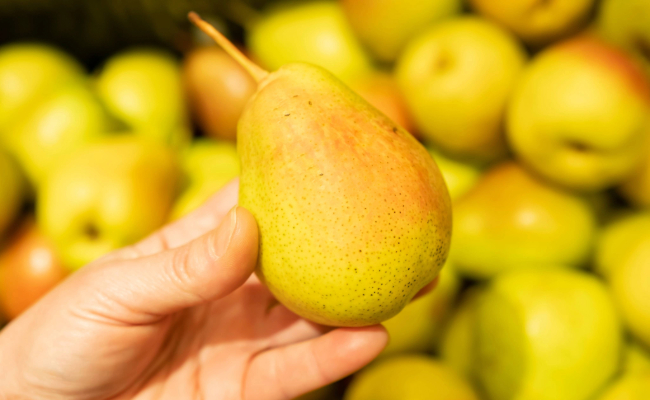
Pear juice is particularly well-suited for infant nutrition due to its low acidity and hypoallergenic properties, says DataIntelo. Unlike citrus or certain berry concentrates, the report notes that pear juice can naturally add sweetness while being gentle on developing digestive systems. This makes it a foundational ingredient for stage-1 baby purees and juices.
In addition to enhanced flavor, pear concentrate is rich in several key nutrients, including potassium and vitamin C. Foods containing pear juice concentrate are increasingly popular among parents in urban areas of India and China, reflecting rising demand for safe, natural, and nutritious foods that are also attractive to kids.
But young’uns are not the only ones driving up demand in this market, as pear concentrate is also a prevalent ingredient in health drinks.
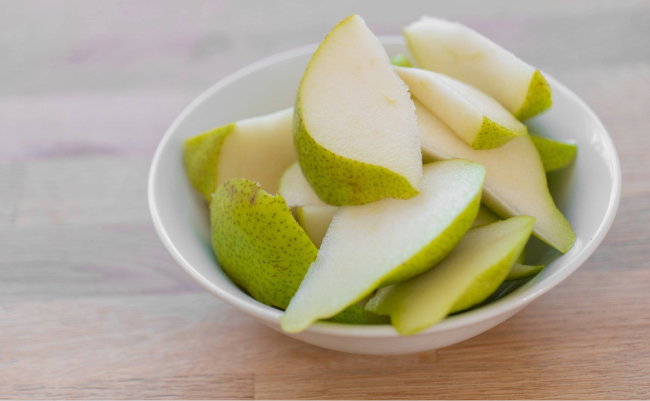
The Asia-Pacific region is shifting from hydration-focused beverages to functional drinks, a category where pear concentrate fits right in, thanks to its sweetness and high electrolyte content, which make it a great base for isotonic drinks. The juice is increasingly present in wellness shots, ready-to-drink teas, and sports recovery beverages, easily available at retail.
Manufacturers are leveraging the over 41 percent regional supply advantage to produce more affordable beverages than those made with imported synthetic sweeteners or agave, making concentrated pear juice way more than just a filler.
Related stories:
Shifting vines: How China’s appetite is reshaping the grape market




Subscribe to our newsletter