







How Mexico’s Grupo Espléndido is using cause marketing to drive mango consumption



Written and reported by Macarena Bravo | Lee esta noticia en español.


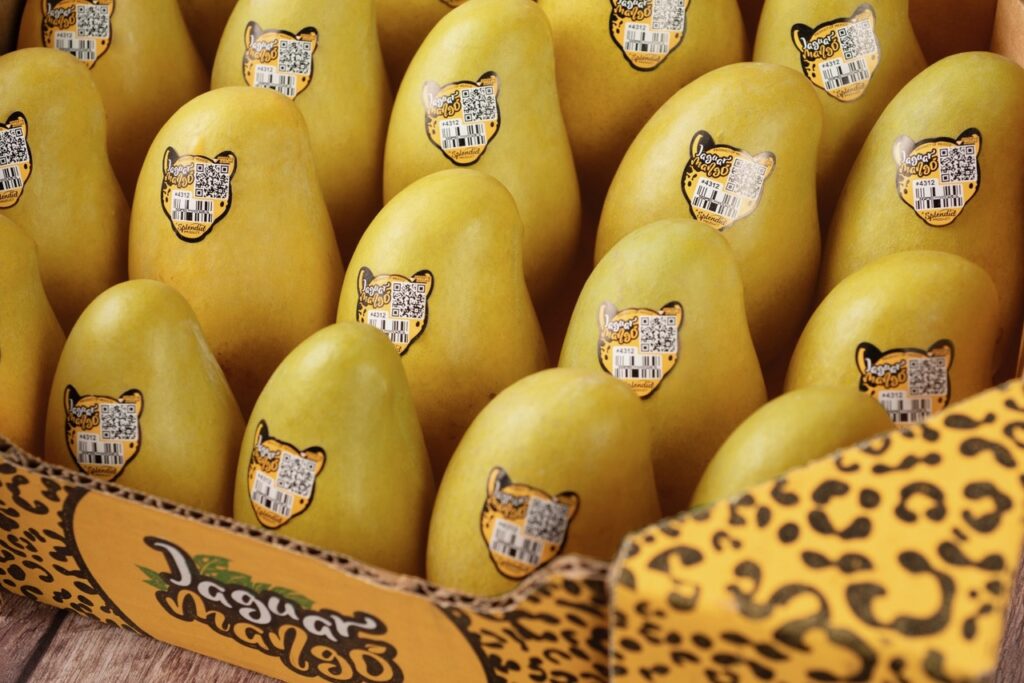
Mexican mango producer and marketer Grupo Espléndido is giving its commercial strategy a wild makeover. Through its "Jaguar" brand, the company aims to connect young consumers with environmental values by donating a portion of the proceeds from every box sold to protect the American feline.
“[The jaguar] is a symbol that unites the entire American continent, and all consumers can relate to it,” Grupo Espléndido President Daniel Ibarra told FreshFruitPortal.com.
Each mango features a QR code directing buyers to a digital platform tracking the conservation campaign's progress.
"The idea is that the consumer can see in a transparent way what we are doing, with photographs, information, and permanent follow-up," Ibarra explained. "We want there to be direct communication between the brand and whoever ultimately consumes the product."
Espléndido’s roaring vertical supply chain
The company manages nearly 2,000 acres of Ataulfo mangoes in northern Sinaloa, Mexico. However, its broader supply network integrates fruit from multiple Mexican regions and production programs in Ecuador and Peru, bringing its total footprint to 12,355 acres across the continent.
According to Ibarra, this geographic diversification extends the company's supply windows and mitigates climate change and seasonal risks.
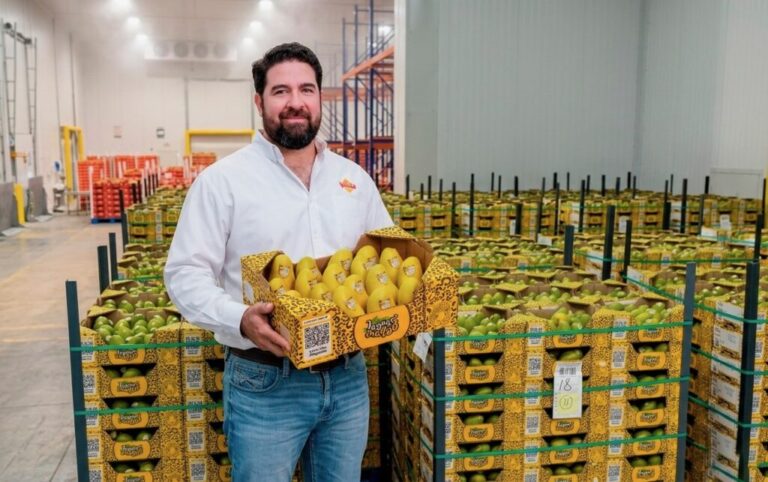
Grupo Espléndido President Daniel Ibarra.
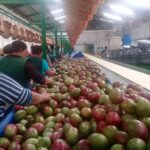
Grupo Espléndido operates under a vertically integrated model, overseeing production, grower partnerships, origin exports, and direct United States imports via Splendid by Porvenir to supply grocery retail chains.
To support its network, the company uses an integrated technical program called Produce Plus, which provides participating growers with financing, agronomic advice, fertilization, phytosanitary recommendations, and input procurement support.
"The idea is to support the producer from planting to marketing," Ibarra said. "We don't just buy fruit; we want our suppliers to be able to produce better."
To date, the company has sold approximately 600,000 eight-pound boxes of mangoes, with a season-end target of 800,000 boxes. The executive attributed this growth to higher volumes in Mexico and the consolidation of its Ecuadorian supply program.
Shipping hurdles and retail packaging plays
The US remains the company's primary destination, absorbing between 90 percent and 95 percent of its export volume, followed by Canada. While Mexico’s proximity offers strong competitive advantages, Ibarra noted that the Mexican industry must improve market diversification.
According to the executive, limited port infrastructure for fresh fruit exports to Asia and Europe remains a major hurdle. In northern Sinaloa, the nearest port is designed for bulk cargo rather than refrigerated containers.
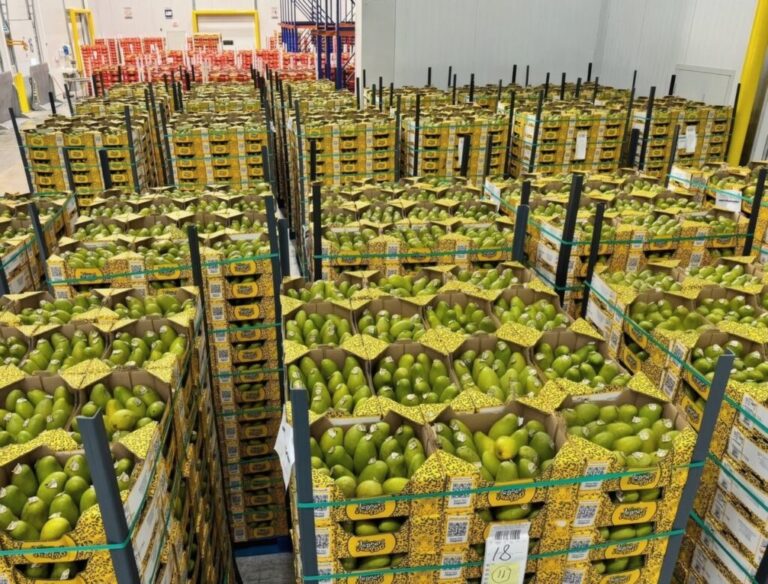
"We don't have efficient logistics to compete in those markets," Ibarra said. "In fact, it is often faster to send the fruit by road to Los Angeles and ship it to Asia from there."
In response to changing retail demands, Grupo Espléndido is expanding its packaging formats beyond its proprietary Jaguar, Kent, Super Kent, and Kit Kong brands. The company now offers clamshells, mesh bags, and four-count packs tailored to specific buyer requirements.
"The mango has to look attractive. Then it must deliver excellent internal quality," Ibarra said regarding consumer education. "If someone consumes a mango before it is ready, they will probably have a bad experience and will not buy again."
Looking ahead, Ibarra emphasized that the mango industry must transition toward genetic innovation to develop varieties with lower fiber content and better organoleptic attributes, mirroring advancements in the apple and grape categories.
"I have been a producer, and today I am an importer," Ibarra said. "Before, I saw the middleman as someone who kept part of the business. Today, we all must win for the chain to work. The producer and the importer need profitability, and the supermarket must be able to offer a competitive product to the consumer. Only in this way is the business sustainable for everyone."
*All images courtesy of Grupo Espléndido.
Related stories





Subscribe to our newsletter