Sustainable packaging market to hit $72B by 2034
 Add Fresh Fruit Portal to Google
Produce packaging has become more than a wrapper or a branding opportunity. The sustainable packaging segment is set to expand at a 5.2 percent compound annual growth rate to reach about $72.1 billion by 2034, MarketIntelo reports, driven by rising demand for shelf-life extension and waste reduction.
The report valued the global fresh produce packaging market at nearly $48.7 billion in 2025, with flexible packaging currently dominating the sector, and the Asia Pacific region leading global market share.
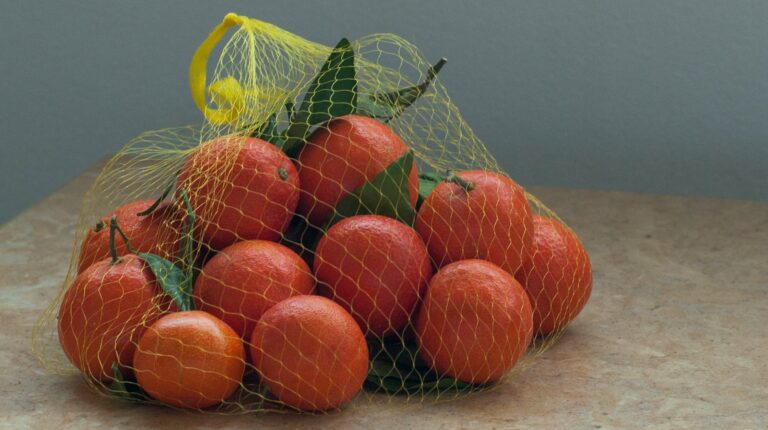
Packaging innovations increasingly focus on environmental impact, humidity regulation, and atmospheric control, the intelligence firm says.
Because fresh fruits and vegetables face moisture loss, bruising, microbial contamination, and premature ripening during distribution, proper packaging is crucial to minimize post-harvest losses. However, there’s more to it than simply reducing packaging size or composition.
“Packaging which uses less material but spoils products faster does not offer any real advantages for the environment. Packaging which improves shelf life and minimizes losses and is easily recycled allows reducing food waste and saving resources,” the report notes.
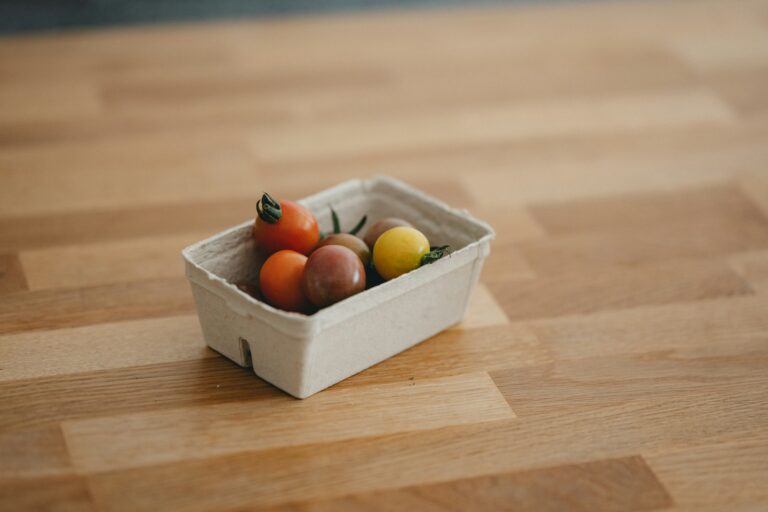
Active packaging systems also target spoilage by incorporating oxygen scavengers, ethylene absorbers, moisture control mechanisms, and antimicrobial coatings. Managing ethylene gas proves especially critical for high-volume climacteric commodities like bananas, avocados, and peaches.
“Even though packaging requires some energy and materials to make, minimizing waste can help boost the environmental efficiency of the produce supply chain process,” the report says.
Shift to sustainable and smart systems
Modified atmosphere packaging technology (MAP), another key category advancement, can alter oxygen, carbon dioxide, and nitrogen levels within containers to suppress respiration and delay ripening.
“This method is especially helpful for products like leafy green produce, berries, fresh-cut fruits and numerous other goods that have a limited lifespan in the market,” the report says.
When combined with proper temperature and humidity management, MAP extends shelf life by 40 percent to 60 percent compared with standard air packaging.
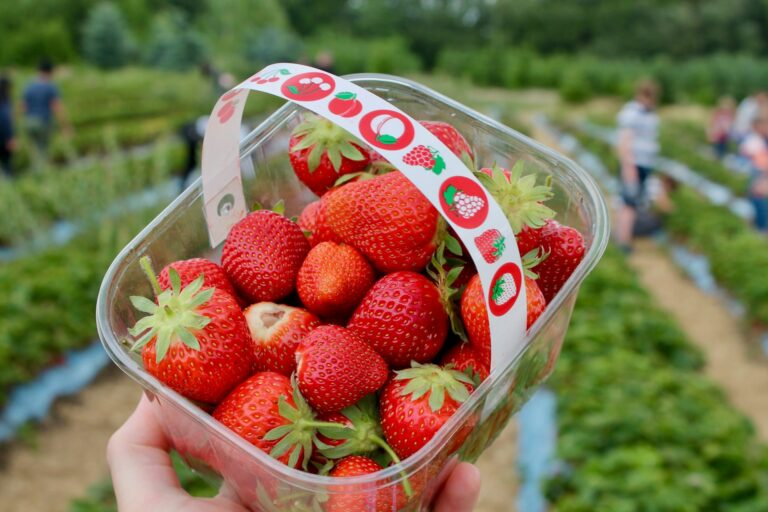
Mounting environmental concerns drive the adoption of plant-based materials, recycled plastics, molded fiber, sugarcane bagasse, and mono-material packages made from a single polymer, such as polyethylene or polypropylene. This can streamline collection and recycling while providing necessary barrier protection.
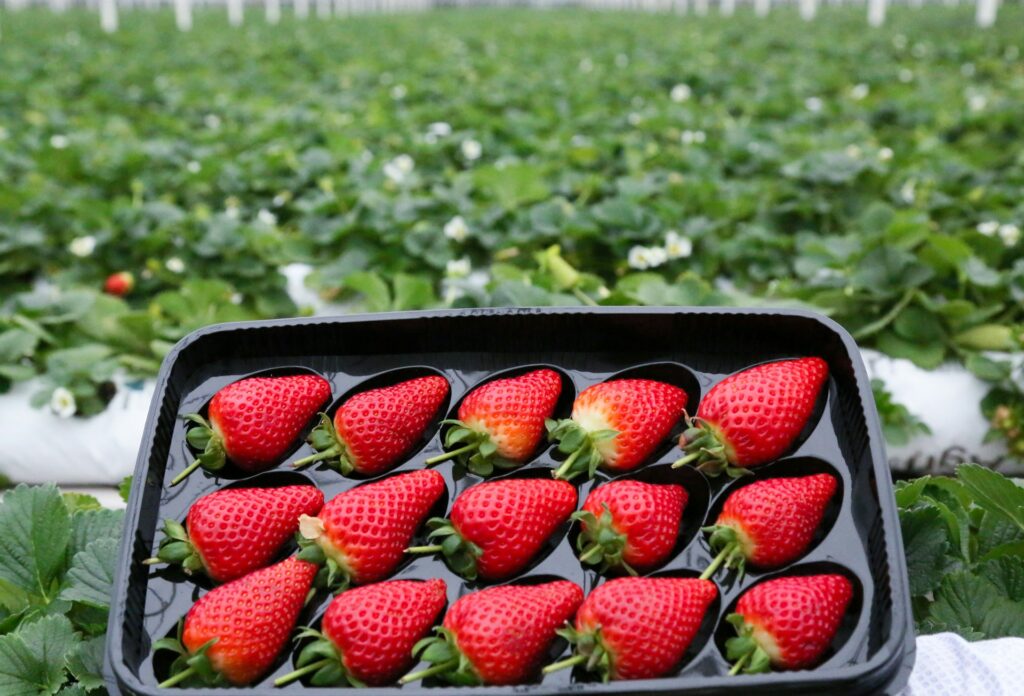
Meanwhile, rigid containers like clamshells, trays, and punnets remain essential for physically protecting delicate commodities, including berries, grapes, and cherries.
“Paper and paperboard are some of the fastest-growing materials in the market. Manufacturers are applying barrier coating and molded fiber technologies to increase their resistance to moisture and oxygen,” the assessment notes.
Consumer preferences continue to favor transparent packaging, allowing shoppers to assess product freshness, color, and size before purchasing.
“The success of packaging for fresh produce is contingent upon finding the optimal combination of performance, sustainability, cost, and consumer convenience,” MarketIntelo stresses.
*All photos are referential via Unsplash.
Related stories
New EU produce packaging rules put US exporters on the clock
Copefrut and Sinclair strengthen their commitment to sustainable fruit packaging
Poly-clip System showcases its scalable, sustainable packaging solutions at Interpack 2026