Vietnam's lychee exports plummet by 51 percent
 Add Fresh Fruit Portal to Google
Due to a sharp decline in production, rising raw material prices, and persistently high logistics costs, Vietnam's lychee exports plummeted by 51 percent year on year in the first half of 2026, totaling $16.4 million.
According to Vietnam Customs Department data reported by local media outlet Vietnam Express, the category's share in the country’s total produce exports also dropped from two percent to less than one percent over the same period.
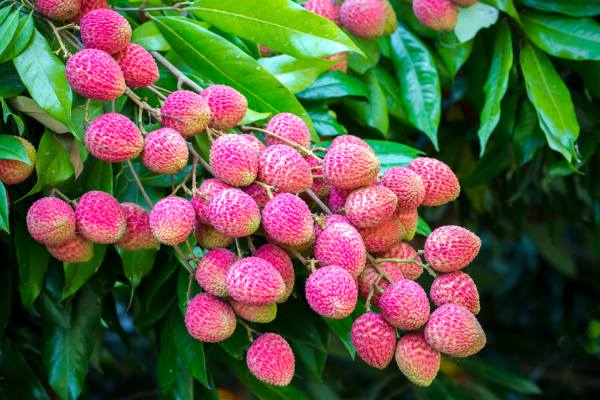
A significant decrease in volumes is the main culprit behind the export decline. Vietnam has around 136,000 acres of lychee orchards, mainly concentrated in the northern region, which was hit by unfavorable weather during the crucial flowering and fruiting periods. In Bac Ninh province, Vietnam's largest producing region, sales this year totaled 131,560 metric tons, only 64 percent of last year's volume.
Lychee prices are on the rise
The reduced supply has also driven up domestic prices. In Thanh Ha district of Hai Phong city, prices at the end of the season were generally between $2.3 and $3 per kilogram, with first-grade lychees reaching as high as $4.6 per kilogram.
Seedless fruit is even scarcer. One production area in Thanh Hoa province produced only about one metric ton this year, far below 2025 production. Wholesale prices have risen to over $23 per kilogram, nearly double that of the same period last year, while retail prices in Ho Chi Minh City are as high as $30 per kilogram.
Soaring raw material prices have also become a major pressure for exporters. The head of a Hanoi-based agricultural export company said his company's lychee exports this year have decreased by about 70 percent year on year. He explained that domestic prices are too high, while transportation costs, especially air freight and cold storage costs, have also increased.
Industry insiders point out that persistently high procurement costs make it difficult to maintain competitive export prices, while logistics costs continue to erode profits. Because fresh lychees have a short shelf life, businesses must transport them quickly to maintain quality, making it difficult to further reduce logistics costs.
*All images are referential via Shutterstock.
Related stories
Meet the world's first lychee-longan hybrid
Frieda’s lychee and rambutan program capitalizes on 33 percent category surge