








Australian horticulture sets an ambitious $7 billion export goal for 2031




Australia's horticulture industry aims to double the value of exports to $7 billion by 2031, says local not-for-profit research and development corporation, Hort Innovation.


The goal is part of the grower-owned organization’s newly launched Strategy 2031, which sets a long-term roadmap for local investment, focusing on productivity, innovation, market access, and grower capability.
The organization boasts high grower participation in developing the plan, with doubling export value a goal coming directly from industry stakeholders’ feedback.
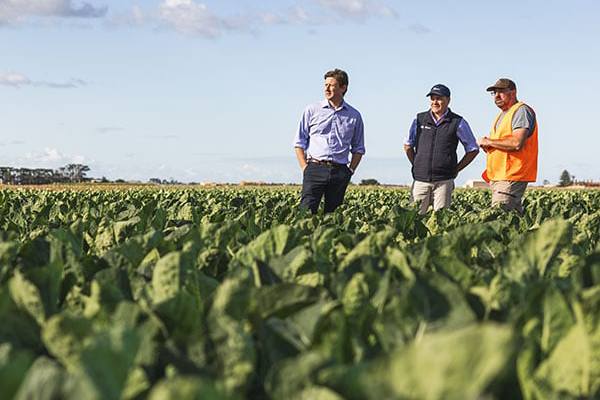
Image by Hort Innovation
“Our strategy reflects those collective priorities,” said Hort Innovation CEO Brett Fifield. “Australian horticulture has an incredible story to tell, and the world is increasingly recognizing the quality, safety, and sustainability of the produce our growers deliver.”
The executive recognized that reaching $7 billion in exports by 2031 is an ambitious aim, but said the Australian horticultural sector is confident in its ability to get there.
The country’s fresh horticulture exports reached a record $3.5 billion in 2024/25, increasing 13 percent in a single year and 126 percent over the past decade. Hort Innovation’s new target would require that momentum to continue steadily for the next five years.
Strategy 2031 also prioritizes investment in areas including automation, artificial intelligence, crop protection, climate resilience, production efficiency, and technologies to help growers improve productivity and make more informed business decisions.
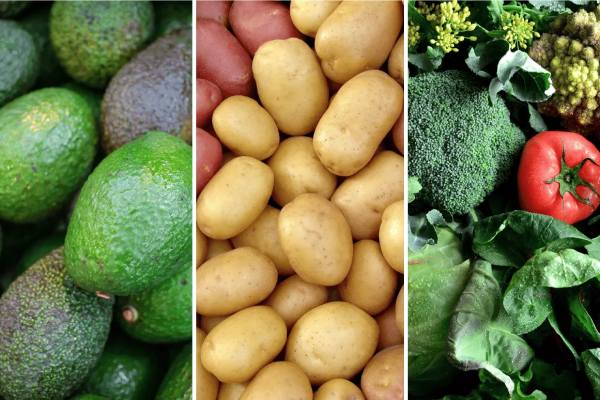
Image by Hort Innovation
Bigger market, bigger returns
Growing export opportunities come hand in hand with higher demand, creating more commercial options and stronger returns for Australian growers.
In the long term, Hort Innovation says this will make Australian horticulture more competitive and a more resilient industry.
Christian Parsons, Chief Operating Officer at Costa Group, said export growth would be critical to maintaining a strong and sustainable industry into the future.
“Global demand for premium Australian produce continues to grow, and with ongoing investment in market access, industry capability and trade relationships, we are well placed to build on that momentum over the next five years,” he said.
Australia’s eyes are on Asia
Hort Innovation is eyeing growing opportunities across a wide range of commodities and markets.
However, the natural first step would be to strengthen Australia’s position in China, the country’s largest horticulture export market. Next, the aim is to build on success in high-value markets such as Japan, where table grapes demonstrated what sustained investment in market access and relationships could achieve.
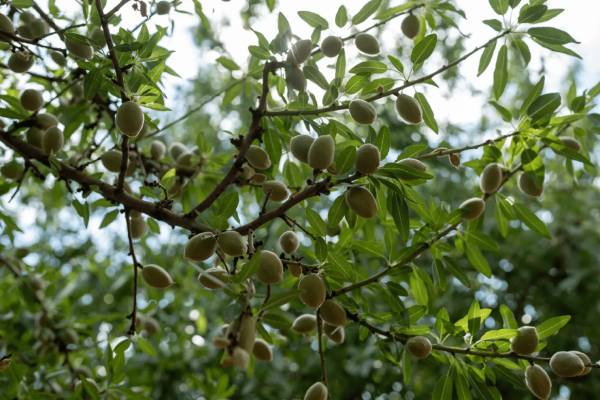
Image by Hort Innovation
Open markets such as Hong Kong could also provide an important platform for connecting with buyers across Asia.
Fifield said capturing these opportunities would require coordinated investment in access negotiations, grower capability, and the innovation needed to remain globally competitive.
“Achieving this ambition will require a coordinated effort across industry,” Fifield concluded. “Hort Innovation will work with growers, exporters, governments, and trade partners to support market access, build capability, and help create the conditions for long-term export growth.”
*All images courtesy of Hort Innovation
Related stories
Australian avocado sector poised for record 2026 crop
Australian blueberries gain Vietnam market access in new export agreement











Subscribe to our newsletter