


Fresh produce industry raises concerns over government fuel relief program
 Add Fresh Fruit Portal to Google
Shortly after the US government announced its $8 billion Harvest Fuel Relief Program (HFR), the International Fresh Produce Association (IFPA) raised concerns regarding which crops will benefit from the initiative.
“While the announcement is welcome news for American agriculture, several important questions remain about how the program will apply to fresh produce growers,” the entity stated in a press release published on October 29.
The organization said it is actively working through the Specialty Crop Farm Bill Alliance to ensure the fuel relief program accounts for “the unique costs and operational realities of specialty crop production.”
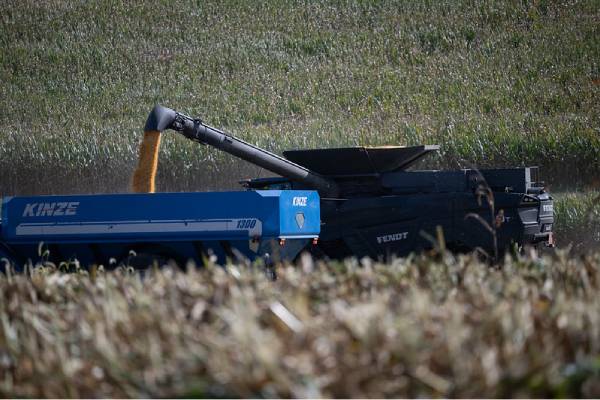
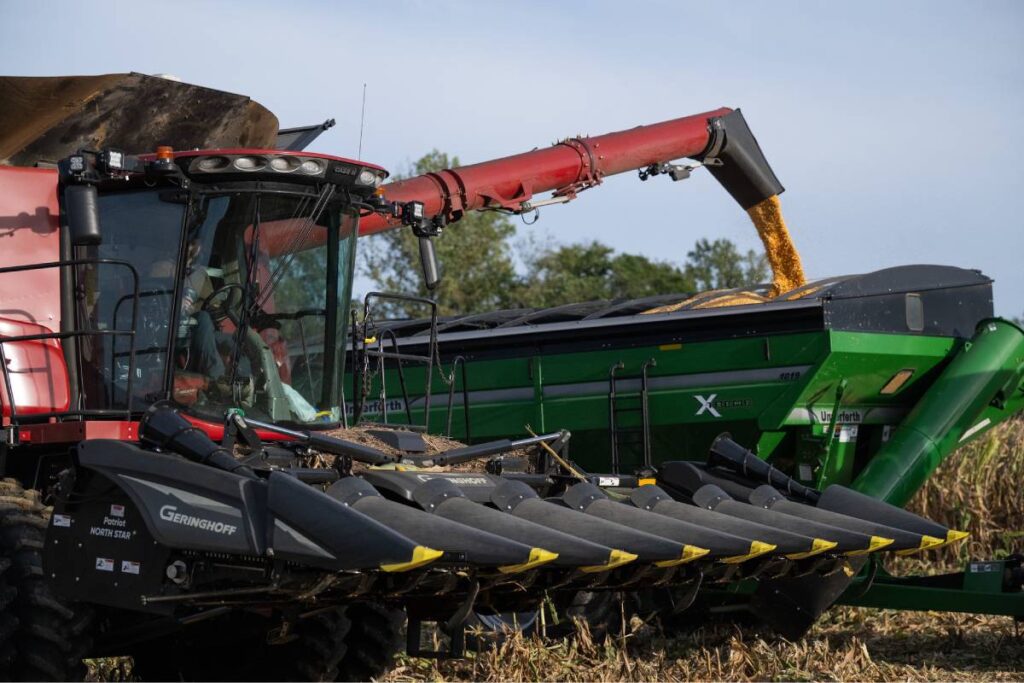
Image by USDA
Amid historically high gas prices in the United States, the Department of Agriculture (USDA) announced it will allocate $8 billion to provide fuel relief during this harvest season. The fuel relief program will make one-time payments to farmers to help them cope with current market disruptions and rising input costs during the 2026 crop year.
Fuel relief is still uncertain for fresh produce growers
The Trump Administration explained the initiative will work similarly to the Farmer Bridge Assistance (FBA) program, providing “simple, proportional support to producers using a uniform formula to cover a portion of modeled losses during the 2026 crop year.”
However, IFPA emphasized that “specific eligibility requirements, payment calculations, and application procedures have not been finalized.”
“USDA has not explicitly excluded specialty crops, but it has not yet clarified which commodities will qualify or how assistance will be calculated for fresh produce growers,” IFPA wrote.

Image by USDA
The industry body also noted that the USDA has outlined an approach for traditional Title I categories, including corn, grain oats, wheat, and other oilseeds, but it is unclear whether a similar methodology, using acreage, production costs, and other economic data, will be applied to specialty crops.
Moreover, although the federal government said fuel relief payment rates for Title I crops are expected in November, it has not announced a timeline for specialty crop payments or an application period. Instead, the agency urged specialty crop producers to contact it directly and provide data for consideration.
“Fresh produce growers face significant fuel-related costs that extend beyond field operations,” IFPA stated. “Harvesting, packing, cooling, refrigeration, and transportation are all essential components of getting highly perishable products to market, and rising diesel prices have placed additional financial pressure on producers throughout the supply chain.”
Ongoing efforts to ensure benefits for the fresh produce industry
In its statement, IFPA said it is working to ensure that USDA's eligibility requirements and payment methodology reflect fresh produce growers’ realities.
“A one-size-fits-all approach based solely on acreage or traditional commodity production models could leave many specialty crop producers without meaningful assistance,” the organization said.
For now, the entity urged members to hold off on submitting fuel-cost information directly to the USDA, as they believe a coordinated approach will be more effective.
*All images courtesy of USDA.
Related stories
US government to invest over $570 million in fertilizer manufacturing
$7.5 million federal grant set to expand cold chain capacity in the US