


South African exporters face higher US tariffs as AGOA benefits end
 Add Fresh Fruit Portal to Google
South African fruit exporters already hold a small percentage of the United States market, but starting January 2027, getting their produce onto American shelves could become significantly more expensive.
While the move will not close the US to South African produce, Washington's decision to end preferential access under the African Growth and Opportunity Act (AGOA) will increase tariff costs for categories such as citrus and table grapes.
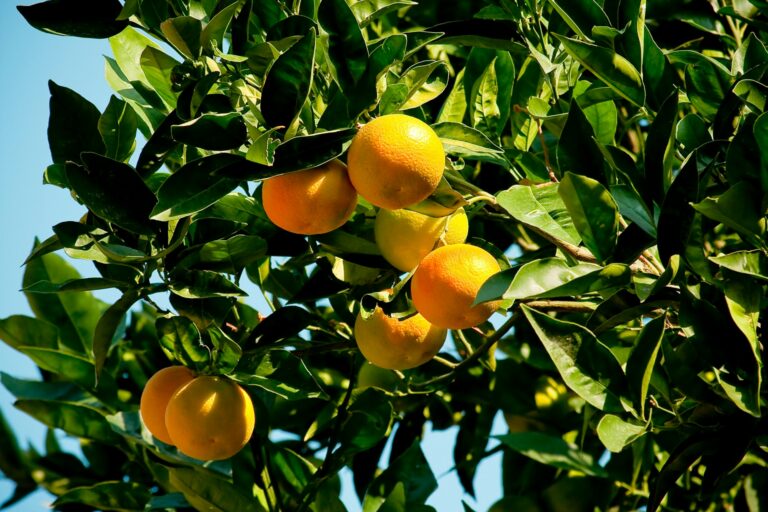
Photo by Raimond Klavins via Unsplash
This could put grower returns, established trade relationships, and future market expansion under pressure, news agency Reuters warned.
Notified to Congress by President Trump on November 2, the determination follows an annual interagency review led by the Office of the United States Trade Representative (USTR), which found that both South Africa and Rwanda, another beneficiary nation, would be engaging in practices inconsistent with AGOA's statutory eligibility requirements
Citrus and grape exporters will feel the strain
For South African citrus growers, losing AGOA benefits is particularly significant. The Western and Northern Cape, the country's black spot-free production areas, are currently authorized to export to the United States, where a lot of the sector’s fruit is shipped.
In its latest industry update, the Citrus Growers' Association of Southern Africa (CGA) stressed that exports complement domestic US production by maintaining consumer availability during the American off-season.
Without AGOA, shipments would face the applicable 1.5 to 2.5 cents per 2.2 lbs. duty, depending on the product and season. These would be in addition to the 12.5 percent Section 301 tariff imposed by the Trump Administration back in July, according to the CGA.
“While Chilean and Peruvian exporters face the same Section 301 tariff, their Free Trade Agreements with the US provide duty-free access under the normal tariff schedule, placing our exporters at a competitive disadvantage, particularly given higher logistics costs and longer shipping distances,” CGA CEO Boitshoko Ntshabele said in the statement.

Photo by Matthias Wesselmann via Unsplash
The CGA also noted that the US currently exempts imported oranges globally from Section 301 tariffs. However, South African oranges would still face the applicable standard import duty if AGOA preferences disappear.
Speaking to Reuters, Gerrit van der Merwe, chairman of the CGA, said that some South African citrus orchards were planted specifically to supply the American market, limiting growers' ability to redirect fruit elsewhere because of differences in phytosanitary requirements and consumer preferences.
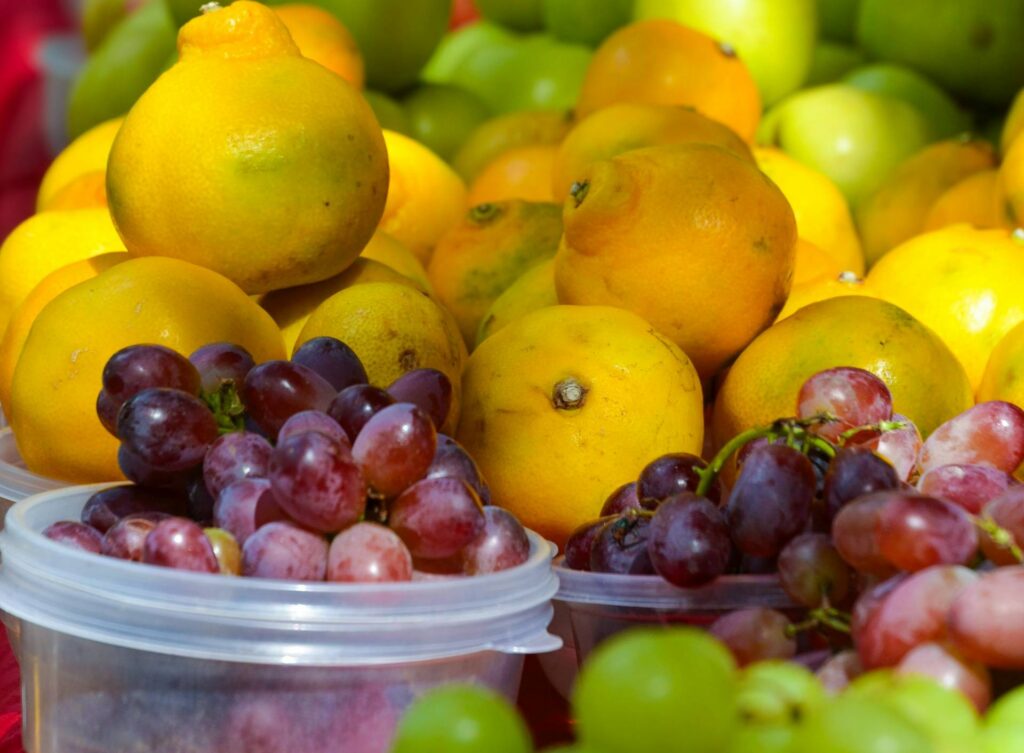
Similarly, in a November 3rd statement, the South African Table Grape Industry (SATI) estimated that the tariff on its exports would rise from the current 12.5 percent to about 15.9 percent once the standard Most Favored Nation duty applies.
While the higher tariff will not prevent South African growers from continuing to supply the market, SATI said it would put additional pressure on exporters' competitiveness.
According to the industry body, the US has become an increasingly important destination for South African table grapes. Export earnings rose from approximately $6.7 million in the 2022/23 season to $12 million in 2023/24 and $19.5 million in 2024/25.
SATI CEO Mecia Petersen said the sector would continue working with the South African government to provide commercial information and support efforts to secure tariff relief.
“Ultimately, this is a government-led trade and diplomatic process, and we will work closely with government to support the best possible outcome,” he stressed.
Employment and export diversification concerns
The potential effects of losing AGOA benefits extend beyond the fresh fruit aisle. Reuters reported that South African exporters of automotive products and wine also face changes to their preferential access.
The news agency also reported that almost 90 percent of South Africa's exports to the US already fall outside AGOA, limiting the overall exposure of the country's export economy. However, industries that have developed specific production and marketing strategies around preferential access could face more immediate challenges.
The South African government is expected to lead further engagement with the US to seek relief before the changes take effect. Until then, exporters face uncertainty over the additional costs and how much of the burden importers, retailers, and growers will ultimately absorb.
*Main image by Gerhard Venter via Unsplash.
Related stories
South African citrus market faces uncertainty over tariffs and AGOA renewal