








U.S. port operators seek delay on proposed tariffs for Chinese ship-to-shore cranes
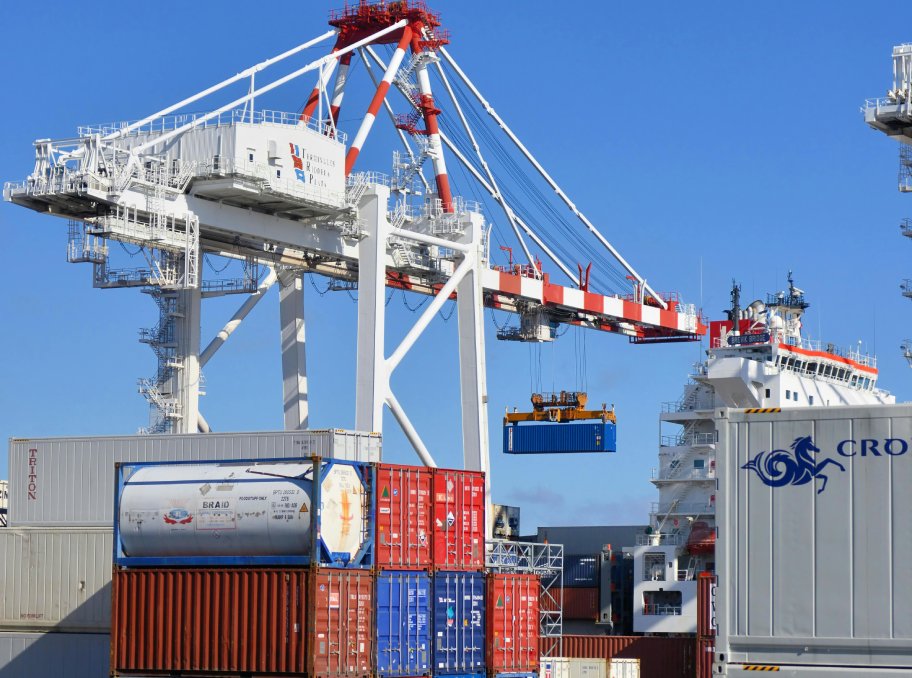



U.S. seaport operators are urging the Trump administration to delay the implementation of pending tariffs on Chinese-made ship-to-shore cranes, Portal Portuario has reported. The tariffs, proposed by the US Trade Representative (USTR), could reach up to 100%, according to industry sources.

The tariffs stem from concerns over China’s dominant position in supplying port equipment. China’s Shanghai Zhenhua Heavy Industries (ZPMC) controls approximately 80% of the U.S. market, supplying over 200 cranes across nearly two dozen ports, including Houston, Los Angeles, and New York. Each of these cranes has an estimated value between $10 million and $20 million.
Carl Bentzel, president of the National Association of Waterfront Employers (NAWE), indicated that industry officials expect the tariff rate to be at or above 100%, describing it as “essentially a ban on the use of Chinese-made cargo equipment.” He stated, “I have been operating under the position that that is the lower limit.”
The Biden administration imposed a 25% tariff on Chinese cranes in 2024. U.S. officials cited cybersecurity concerns, noting that modems and software in such equipment could pose espionage risks or disrupt port operations.
Despite security warnings, industry representatives highlight ongoing purchases of less costly Chinese cranes, citing short-term financial considerations. William Henagan of the Council on Foreign Relations and the National Security Council warned that “the inaction and resistance of the port operator community is focused on short-term cost savings and greatly underestimates the ultimate cost of inaction.”
In May, port organizations and ZPMC representatives petitioned the USTR to address security concerns and to seek exemptions on cranes already ordered. They also requested a transition period for any tariff implementation. Bentzel added, “We have decided to work with them,” emphasizing ongoing cooperation efforts to mitigate price increases.

Subscribe to our newsletter