








Global kiwifruit production shifts: How demand, disease, and diversification are reshaping the market
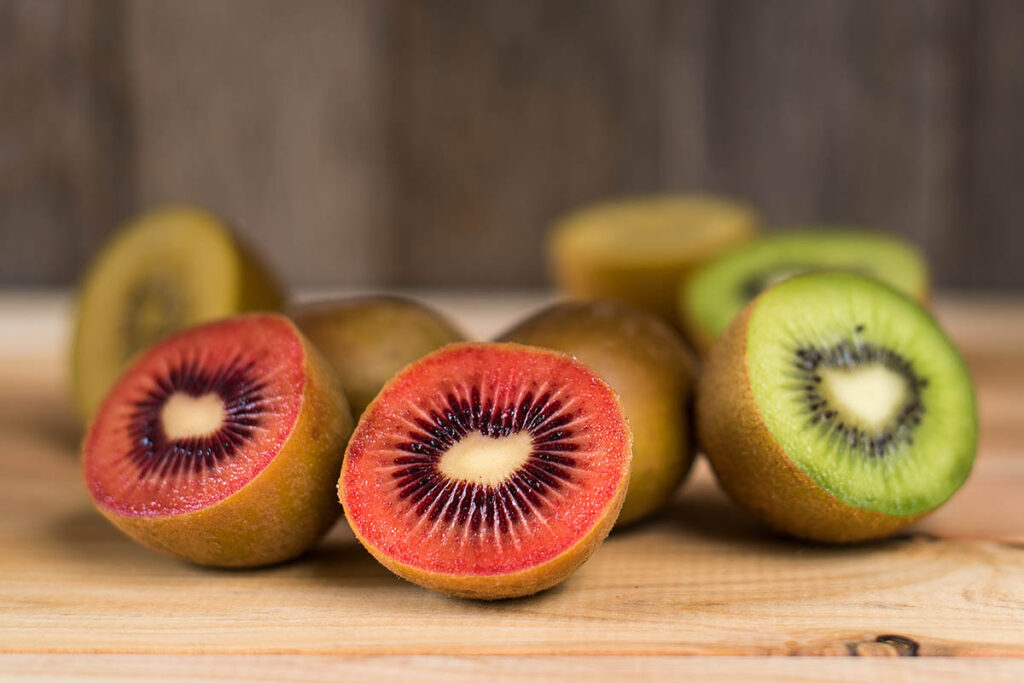



Over the years, kiwifruit has gained prominence in the global fruit trade.

The demand for this health-packed fruit, rich in vitamin C, fiber, and antioxidants, has driven producers and companies to consider it as a strategic alternative to diversify their offerings.
However, market insider Fluctuante says that "incorporating it into the portfolio requires more than a good business opportunity: it demands a deep understanding of the crop and the practices that allow achieving it with competitive standards."
According to the firm, kiwifruit is an "intensive crop that demands planning, adequate infrastructure, and a relevant initial investment." The challenge for the sector "is to adopt more efficient and sustainable systems that ensure productivity, profitability, and continuity in an increasingly demanding market."
Asian leadership and consolidation in Oceania
China remains the world’s largest kiwifruit producer. Most of its crop is destined for internal consumption, limiting its share in the global market. The country continues to expand its planted area and renovate orchards with more resistant and higher-yielding varieties.
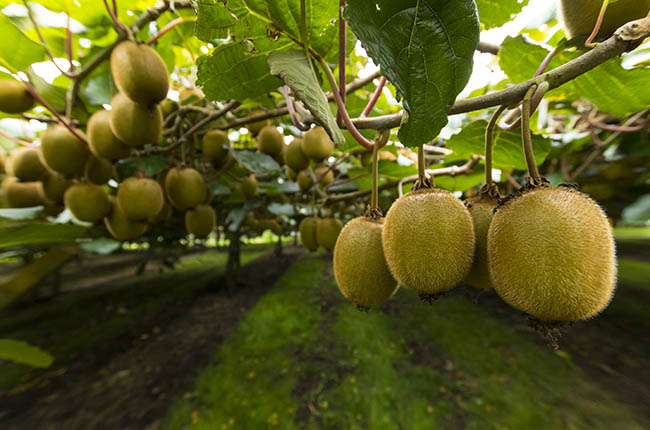
Close to the Asian giant, New Zealand increased its production from about 663,000 tons in 2023 to 770,000 tons in 2025, the largest harvest to date. The oceanic country has managed to develop a structured industry, based on varietal selection and a solid international trade strategy.
The creation of the Zespri brand in 1997 marked a turning point, consolidating a homogeneous and high-quality offering for destination markets.
Europe: Strong production and sanitary challenges
Italy is Europe’s largest kiwifruit producer. The country stands out for its high yields and high-quality fruit, but its potential has been affected in recent years by the expansion of the "Moria del kiwi" (Kiwi Death).
The complex multi-factorial disorder is associated with root asphyxia, water stress, and pathological factors, and with no cure in sight, unequivocally causes the death of the plant.
Another European player that has increased its production and exports in recent years is Greece. The country’s Mediterranean climate favors the local kiwifruit industry, which is concentrated in the Pieria region. Greece has become a strategic supplier for the United States at the beginning of the northern hemisphere season.
The Middle East and South America gain space
Kiwifruit production in Iran has grown significantly in recent years. In 2023, the Middle Eastern country produced around 295,000 tons, consolidating its position as one of the region's leading growers. The cultivation is concentrated in the provinces of Mazandaran and Gilan, which have a temperate microclimate and favorable conditions for kiwifruit development.
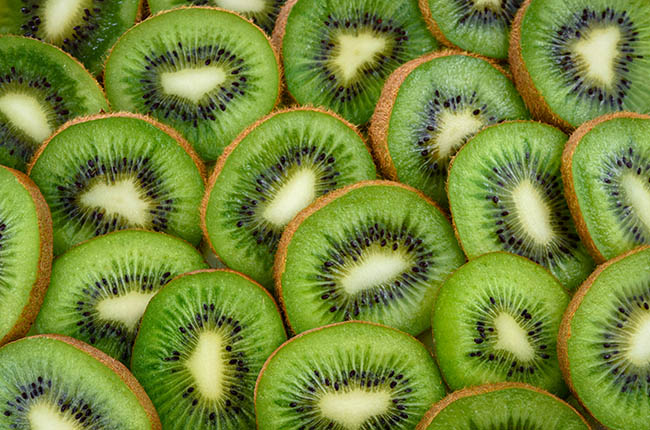
Iranian kiwifruit stands out for its large size and long shelf life, and it primarily competes in nearby markets, including the Persian Gulf, Central Asia, and Russia. Although it does not directly compete with major kiwifruit producers such as China or New Zealand in export volume, Iran has established a solid presence, especially in regional markets.
In South America, Chile led regional production with around 146,600 tons in 2025, consolidating its position as a key origin for counter-seasonal supply. Europe is the main market for the South American country, followed by neighbors Brazil and Mexico, and Asia.
European countries such as Türkiye, France, Portugal, and Spain complete the group of relevant kiwifruit producers on the global stage.
An increasingly ripe but demanding market
After the pandemic, kiwifruit experienced renewed momentum thanks to its nutraceutical properties, says Fluctuante. The fruit provides more vitamin C than citrus and contains higher levels of potassium than bananas, qualities that position it globally as a "super fruit."
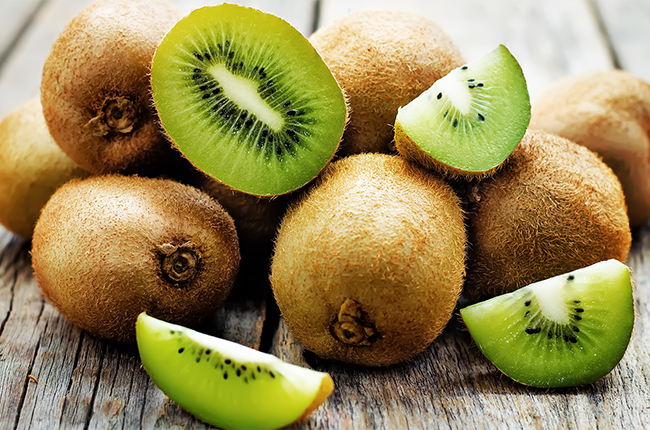
"This recognition reinforced the preference for green kiwifruit, a demand that Chile managed to meet efficiently," the report indicates.
Furthermore, the lower supply from Italy and New Zealand's growing focus on yellow kiwifruit contributed to better returns for alternative origins, but it also raised market expectations of consistency and quality.
Looking ahead, diversification into new varieties and the strengthening of production standards will determine competitiveness and markets’ ability to fully take advantage of the potential of this expanding fruit.
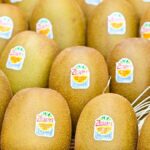
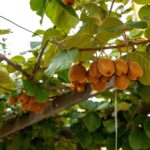
*Featured image courtesy of Zespri. Other images are referential.
Related stories
Zespri boosts red kiwifruit portfolio with new Red80 variety
Kiwifruit drives surge in New Zealand’s 2025 fresh fruit exports
Strong quality and a smaller crop mark the California kiwi season







Subscribe to our newsletter