
Gem-Pack Berries pioneers Full Cycle Framework for responsible agricultural plastic management
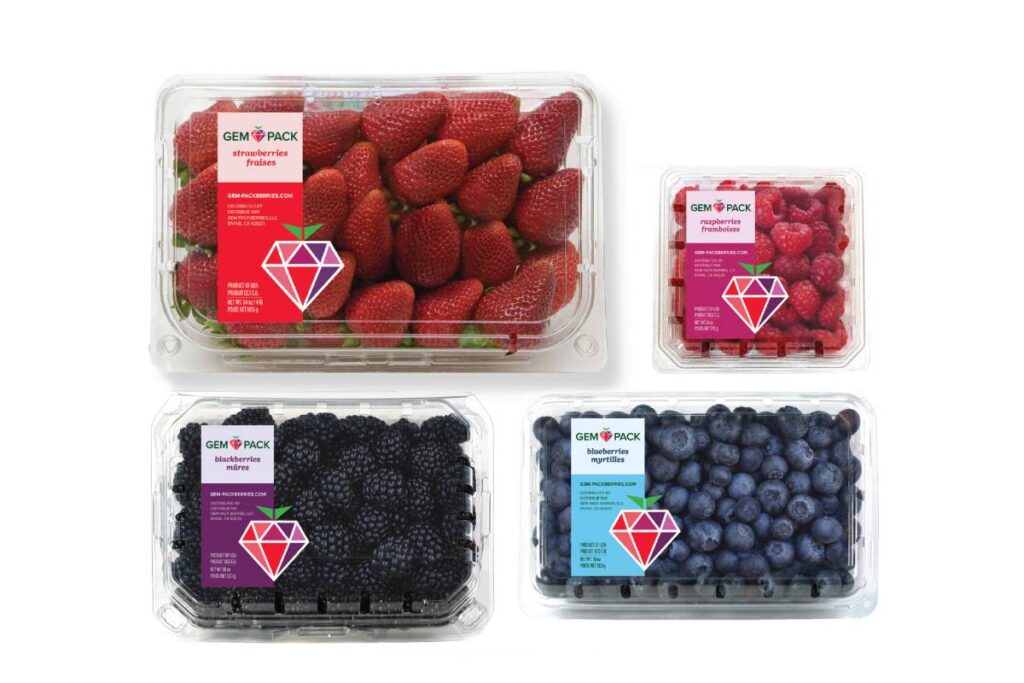

As California reexamines the implementation of SB 54 and Extended Producer Responsibility (EPR) for plastic packaging, Gem-Pack Berries publicly declared a Full Cycle Framework. The program was designed specifically to address agricultural packaging end-of-life, one of the most difficult unresolved areas under current policy.

Agricultural packaging remains uniquely challenging under SB 54. Plastic is essential for food safety, shelf life, and logistics, yet recovery, verification, and end-of-life accountability have historically been fragmented or unavailable in agricultural environments. The Full Cycle Framework responds by designing responsibility across the entire lifecycle of packaging, starting in the field rather than at disposal.
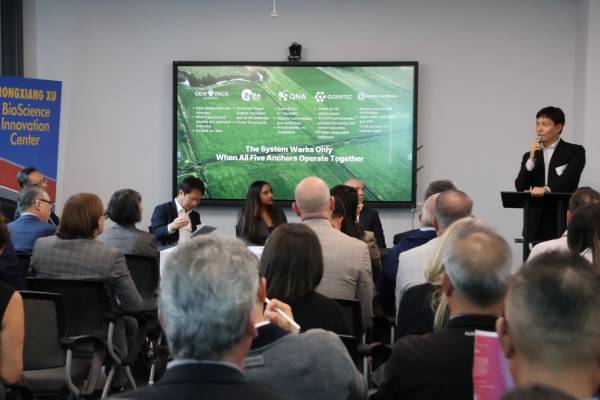
Gem-Pack initiated the Full Cycle Framework based on a clear operational requirement: sustainability solutions must operate within real-world farming conditions without disrupting productivity, food safety, or logistics.
“In agriculture, packaging is used every day, under pressure, at scale," said Madu Etchandy, SVP of Operations at Gem-Pack. "If something slows operations or introduces uncertainty, it simply does not work. This framework matters because it was built to operate in the field, not just look good on paper.”
The declaration included participation from Davina Hurt, California Climate Policy Director at Pacific Environment and a former local government leader. Hurt examined the framework through the lens of governance, enforceability, and public trust.
A framework built for SB 54 and EPR execution
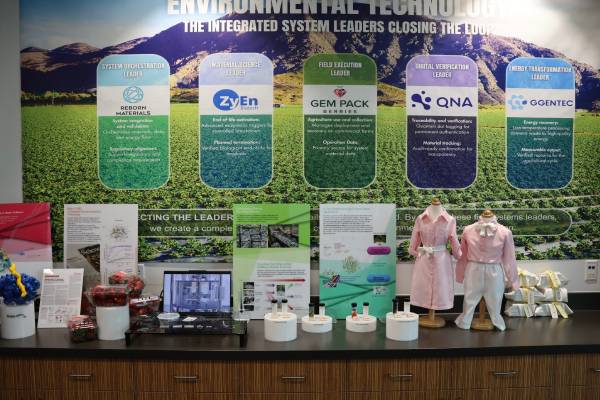
The Full Cycle Framework connects five distinct roles into a single operating system. First, Gem-Pack Berries serves as the agricultural proof environment where packaging is used, recovered, and validated in real operations, while Reborn Materials acts as the system integrator, designing how responsibility moves from use through recovery, verification, and end-of-life without breaking.
The system is complemented by ZYEN Biotech (KUBU), a Korean enzyme technology company led by Kyung Jin Kim of Kyungpook National University, which provides controlled enzymatic pathways for plastics that cannot be mechanically recycled.
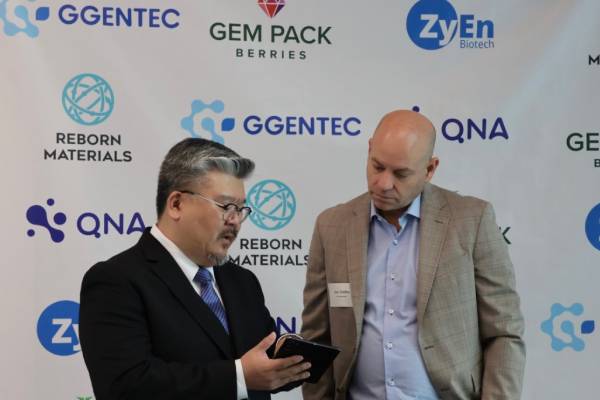
Finally, QNA Technology, a publicly listed Polish company, provides quantum-dot-based material authentication that acts as invisible digital fingerprints embedded in plastic, enabling verifiable tracking and auditability under EPR. Meanwhile, GGenTec, a Korean waste-to-value company, delivers low-temperature end-of-life infrastructure that converts non-recyclable plastics into energy and feedstocks rather than landfilling, preventing the accumulation and leakage that often undermine recycling-only systems. .
Together, the framework ensures recyclable plastics are recycled, non-recyclable plastics are converted into value, and remaining materials are tracked and managed through verified end-of-life pathways.
Why sustainable plastic management matters now
As California revisits SB 54 timelines, compliance pathways, and enforcement realities, agricultural packaging remains a critical unresolved category. The Gem-Pack-led Full Cycle Framework offers a working reference model grounded in real operations, verified data, and durable end-of-life capacity.
Rather than attempting to eliminate plastic by mandate, the framework focuses on finishing plastic responsibly, ensuring accountability does not disappear once packaging leaves the field.
Because it is already operating in agriculture, the Full Cycle Framework merits attention from regulators, industry, and consumers alike as California moves toward executable EPR solutions.
*All images courtesy of Gem-Pack Berries
Related stories
True sustainability comes from functional, high-performing fresh produce packaging, report says
ProForest Certification confirms 90% of Mexican avocados for US market are deforestation-free







Subscribe to our newsletter