Queensland researchers chime in on global battle against TR4
 Add Fresh Fruit Portal to Google
For decades, Panama disease has cast a long shadow over the global banana trade. The destructive fungal pathogen, also known as Fusarium Wilt Tropical Race 4 (TR4), has challenged banana production in leading growing regions such as Ecuador, Venezuela, Peru, and Colombia, threatening the market-dominating Cavendish variety.
But there’s still hope in the soil, where scientists might’ve found the key to fighting back. Researchers at the University of Queensland in Australia have identified a crucial genomic region linked to TR4 resistance in a wild ancestor of the fruit.
Using a combination of forward genetics, disease screening, and genome sequencing, the team believes the findings could dramatically reduce the time and cost of breeding TR4-resistant bananas.
Hunting resistance in the wild
Led by Andrew Chen and Elizabeth Aitken from the university’s School of Agriculture and Food Sustainability, the research team traced TR4 resistance to a chromosome in Calcutta 4, a wild, inedible banana prized by breeders for its fertility and resilience traits.
“Identifying and deploying natural resistance from wild bananas is a long-term and sustainable solution to this pathogen that wilts and kills the host plant, leaving residue in the soil to infect future crops,” Chen told Country News.
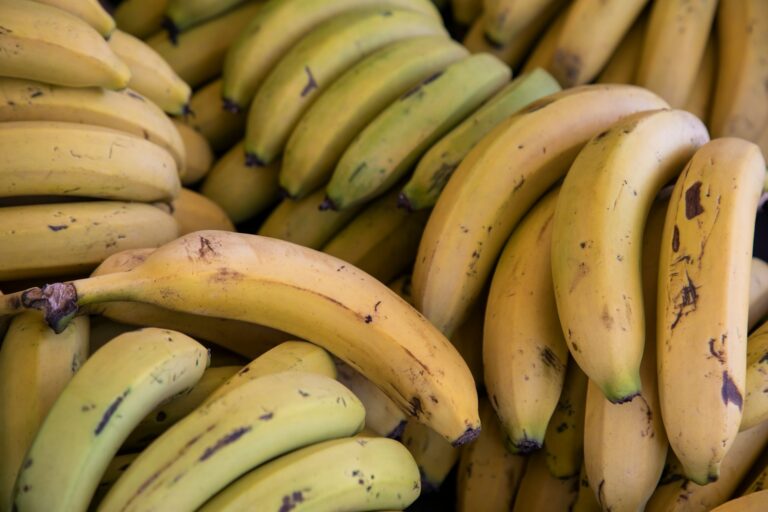
To pinpoint the source of resistance, researchers crossed Calcutta 4 with susceptible bananas from another subspecies, and then exposed the progeny to TR4 infection. By comparing the DNA of resistant and susceptible plants, the team isolated the genomic region associated with resistance.
“This is a very significant finding: It is the first genetic dissection of Race 4 resistance from this wild subspecies,” the scientist said.
In line with the lengthy breeding cycles required for banana research, the project spanned five years. Each banana generation took at least 12 months to mature before disease screening, after which further crossing could continue.
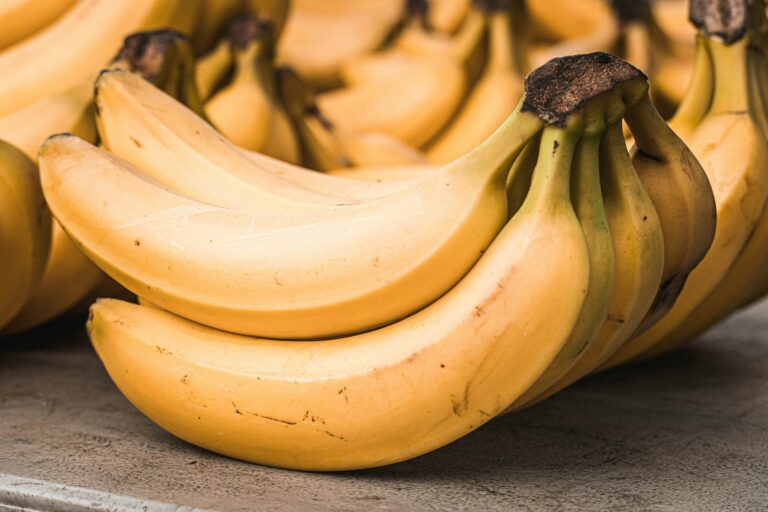
While Calcutta 4 itself is unsuitable for commercial production due to poor eating quality, the researchers said the next phase will focus on developing molecular markers that allow breeders to rapidly identify resistant seedlings before symptoms appear.
“This will speed up selection, reduce costs, and hopefully ultimately lead to a banana that is good to eat, easy to farm, and naturally protected from Fusarium wilt through its genetics,” Chen stated.
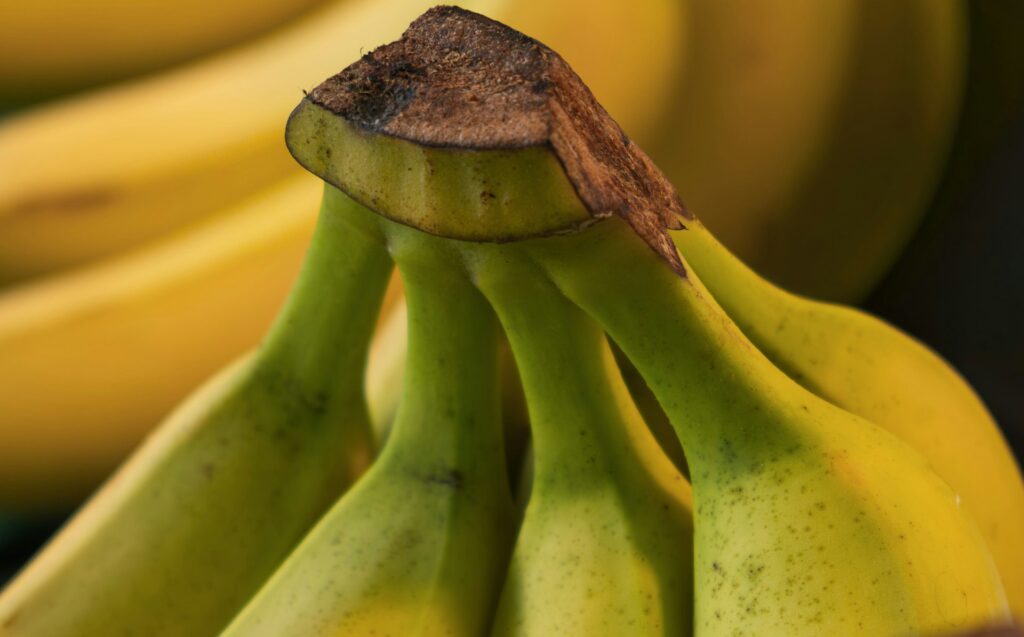
Wild genetics could offer a new path to developing Fusarium-resistant bananas.
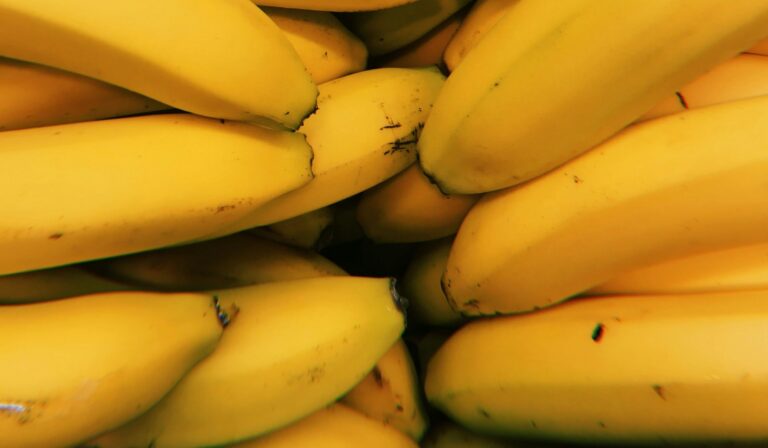
*All images are referential.
Related stories
Ecuadorian bananas eye China growth as exports climb
Banana sector in Bocas del Toro, Panama, makes strides to bounce back after 2025 crisis
Fresh Del Monte to lay off 850 workers in Costa Rica with closure of four banana farms