USDA establishes Medfly quarantine in Old San Juan, Puerto Rico
 Add Fresh Fruit Portal to Google
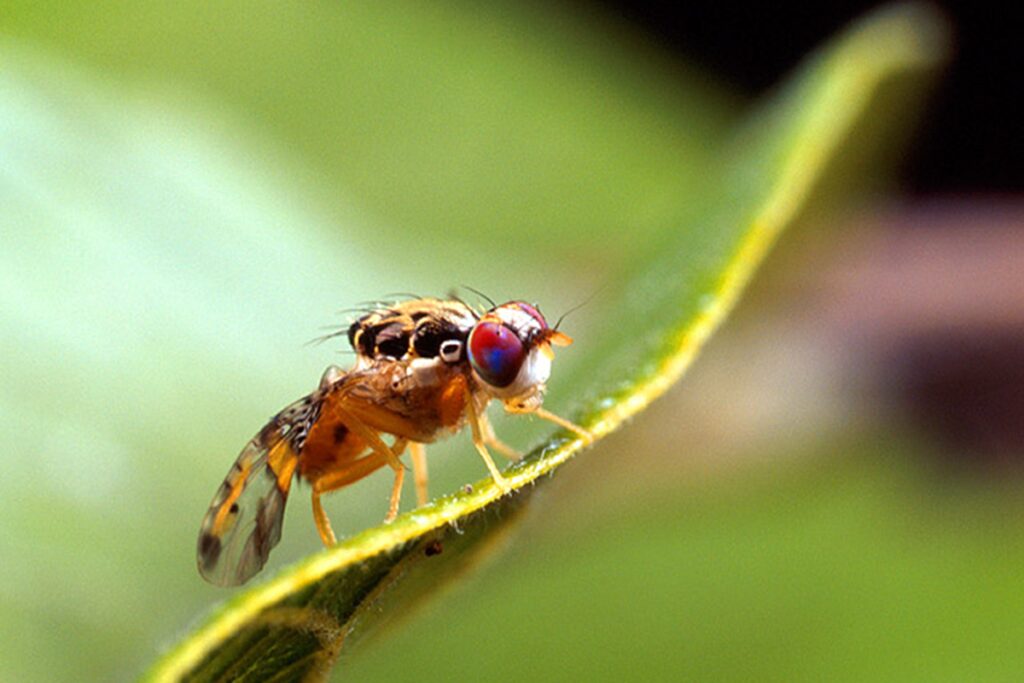
The US Department of Agriculture’s Animal and Plant Health Inspection Service (APHIS), working alongside the Puerto Rico Department of Agriculture (PRDA), has officially established a Mediterranean fruit fly (Ceratitis capitata) quarantine in Old San Juan, Puerto Rico.
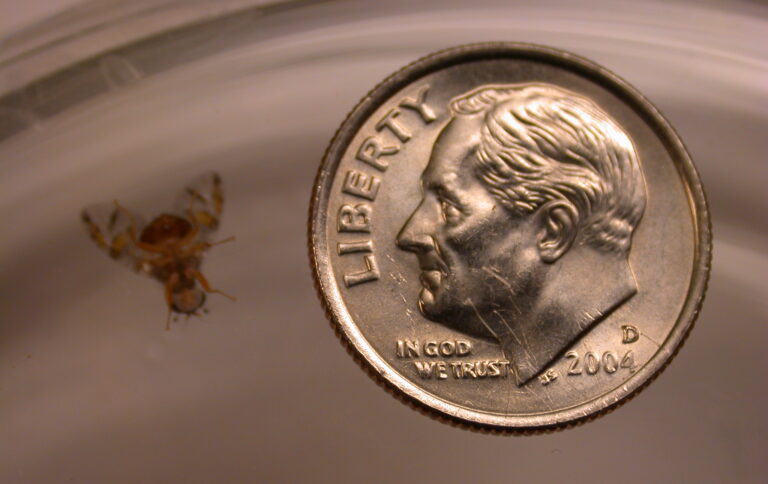
The regulatory response follows detections on July 16, when monitoring traps placed in tropical almond trees in a public area of Old San Juan captured 19 male and three female Medflies across three separate traps.
The newly designated Old San Juan quarantine covers 27.29 square miles. Officials confirmed that the regulated zone contains no commercial agricultural production.
Curbing Medfly spread in Puerto Rico
To mitigate phytosanitary risks, APHIS is implementing strict safeguarding measures and restrictions on the movement of regulated host material out of the area. These restrictions aim to prevent the transient Medfly population from spreading to other regions of the United States or entering international trade channels.
APHIS noted that it is actively coordinating eradication protocols with the PRDA, using established survey, treatment, and regulatory frameworks to eliminate the localized pest population.
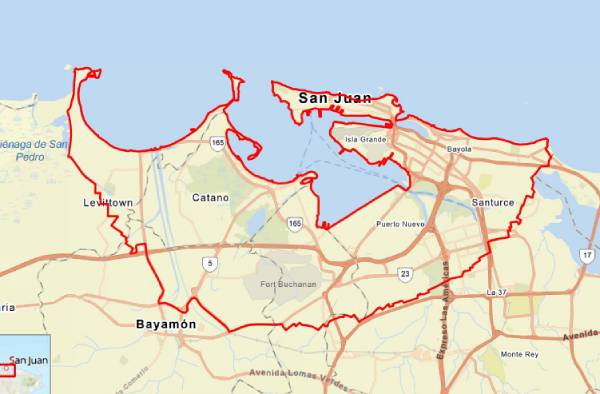
Unlike other quarantine areas set up in the lower 48, USDA APHIS is not currently providing a live map of the Old San Juan quarantine. However, residents can check the agency’s website for live updates and a preliminar map of the protected area.
Maps and full geographic details of all federal fruit fly quarantine zones are available on the official APHIS Exotic Fruit Flies portal, and a formal notification will be published in the Federal Register.
*All images courtesy of USDA.
Related stories
Celebrating 50 years of Medfly defense: A legacy of innovation and partnership
How a mysterious ecoterrorism attack helped reshape California's medfly response