


Peru seeks to improve market access of ag products to the United States
 Add Fresh Fruit Portal to Google
Peru’s National Agricultural Health Service (SENASA) hosted a technical visit by representatives from the Animal and Plant Health Inspection Service of the United States (APHIS). During the meeting, the North American authorities assessed the Peruvian agency’s certification and inspection procedures to potentially expand the Andean country’s exports into the US.
The American delegation visited production sites for asparagus, blueberries, and grapes in Ica, where they learned about the production and phytosanitary protocols for exporting these products.
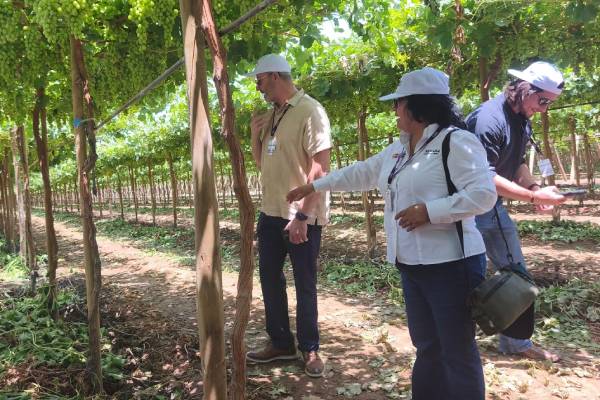
APHIS agents also met with Vilma Gutarra, head of SENASA, in Lima, where the parties addressed priority issues for bilateral agricultural trade. The meeting also aimed at advancing market access negotiations for local products to the US, including dragon fruit, non-Hass avocado varieties, goldenberry (aguaymanto), and turmeric, as well as citrus fruits to Puerto Rico.
According to a press release by SENASA, progress during these talks “represents an opportunity to continue diversifying the national agricultural export offering and create better prospects for Peruvian producers and companies.”
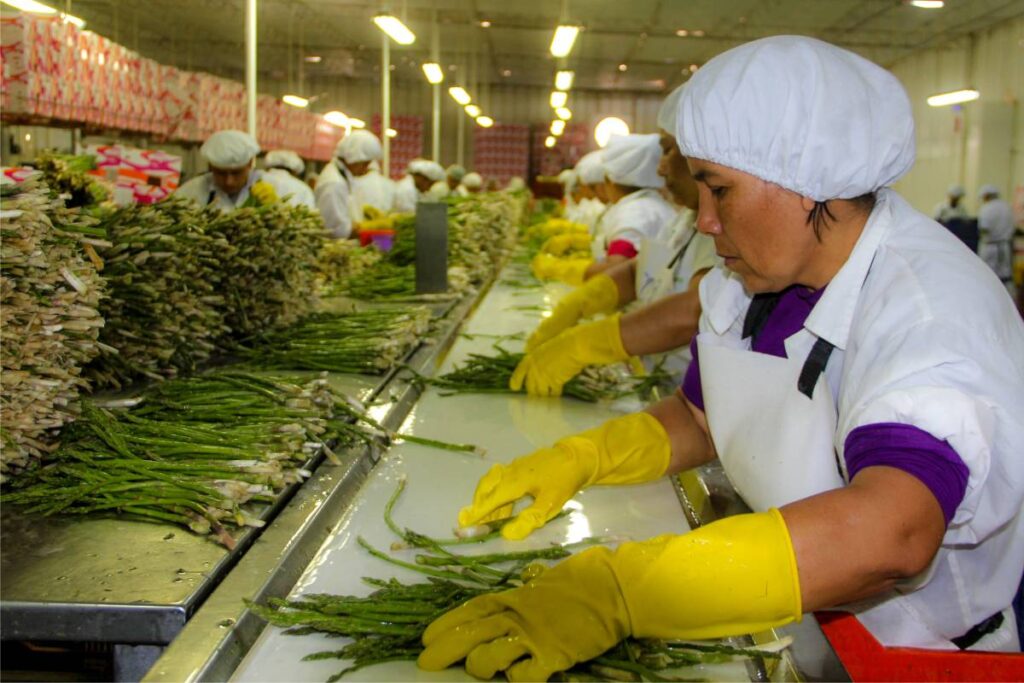
Optimizing the export of Peruvian asparagus into the US
The Latin American country is particularly interested in assessing alternatives to improve phytosanitary export conditions for Peruvian asparagus to the United States through risk mitigation measures.
According to SENASA, the Latin American country destined 31,928 metric tons of asparagus for export in 2025. The industry shipped the vegetable to 38 international markets, with the US as the biggest one.
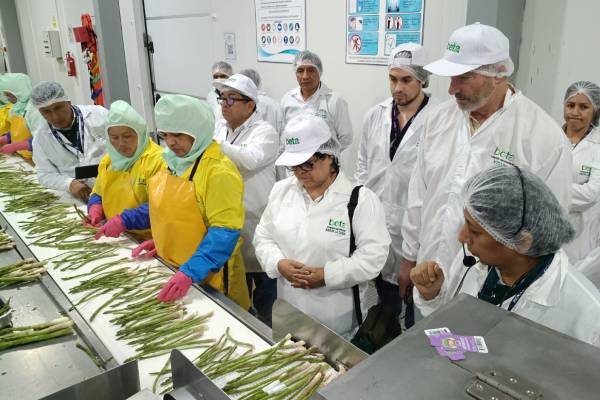
During the tour, APHIS representatives observed the implementation of integrated pest management, production site certification procedures, packing plant operations, as well as pest mitigation measures and phytosanitary inspections performed by SENASA.
APHIS agents were able to observe its counterpart’s advances in integrated pest management, the agency’s press release reads. This, they said, underscores the “importance of evaluating technically feasible alternatives that contribute to optimizing processes and enhancing the competitiveness of Peruvian produce.”
*All images by SENASA
Related stories
Peruvian ag exports keep growing, albeit at a slower pace
El Niño could push Peru's agricultural export losses to $1.5B