


Sambazon acquires Pitaya Foods to create global organic frozen fruit giant
 Add Fresh Fruit Portal to Google
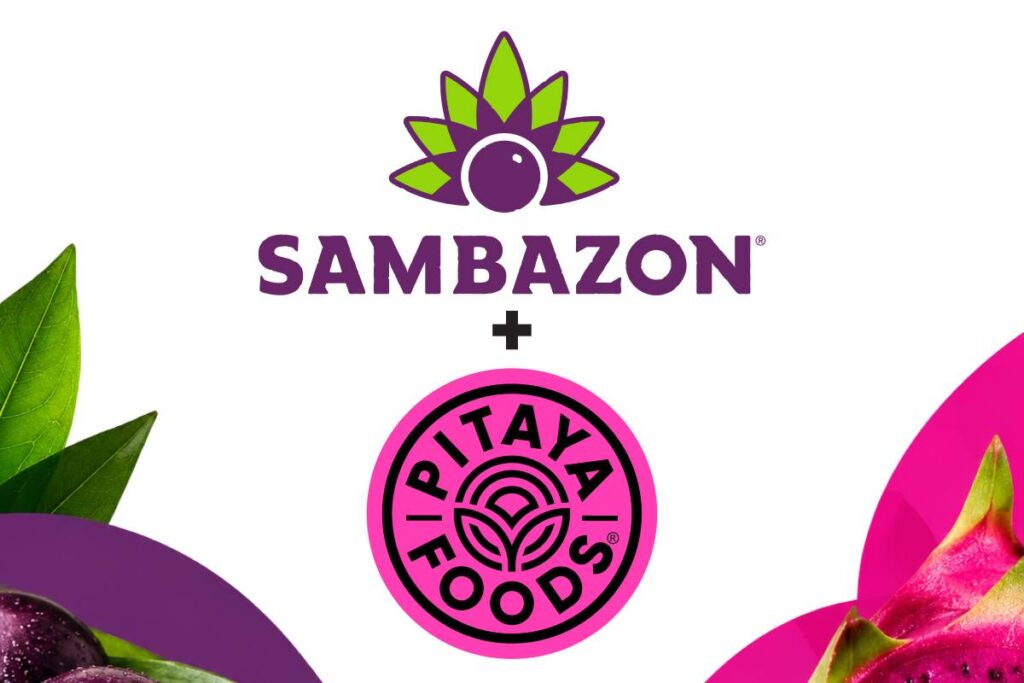
US açaí specialist Sambazon has acquired Pitaya Foods, uniting two major tropical fruit brands to create what the company describes as the world’s leading organic frozen fruit brand and the second-largest frozen fruit brand in the United States.
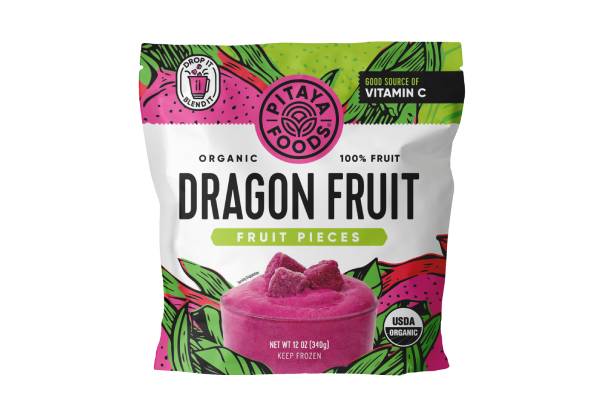
The strategic deal unites Sambazon’s extensive açaí supply chain in the Brazilian Amazon with Pitaya Foods’ dragon fruit expertise and diversified tropical fruit portfolio.
Following the transaction, the company expects its US retail distribution footprint to expand by 20 percent, bringing its presence to nearly 70 percent of grocery stores nationwide, while driving an estimated 45 percent annual revenue growth over the next 12 months.

Sambazon's Ryan Black and Pitaya Foods' Chuck Casano
Sambazon co-founder Ryan Black told FreshFruitPortal.com that the first step is integration: bringing together complementary sales, sourcing, and operating capabilities, expanding distribution, and ensuring that under a unified company, the brands continue delivering for their customers.
“Over time, I expect us to deepen our sourcing relationships, develop more products and formats, and use our scale to bring more delicious products to more people,” he added.
The acquisition comes amid strong momentum for frozen fruit. Despite broader grocery headwinds, where total retail food and beverage volume dipped 0.1 percent year-over-year in September, frozen fruit unit sales surged 10.7 percent.
Under the new operational structure, Sambazon co-founder Ryan Black will remain Chief Executive Officer, while Pitaya Foods founder Chuck Casano will become Executive Vice President of Sales.
“Over the next five years, I see Sambazon and Pitaya Foods becoming a stronger platform for regenerative organic frozen fruit as we become the #1 organic frozen fruit brand globally,” Black said. “Açaí remains the anchor of our business and our sourcing, but Pitaya gives us a broader portfolio and more ways to serve retailers, foodservice customers and international partners.”
Casano echoed that sentiment, emphasizing the cultural and environmental alignment between the two founder-led businesses: “Together, we have an incredible opportunity to build on what we've accomplished, expand our impact, and introduce more people to our superfruits from around the world.”
Sambazon will keep betting on açaí
A trendy and delicious superfood, açaí has been making waves in the US for years thanks to its myriad health benefits and its reputation as a good-for-you treat.
Black’s company has been working with the berry for over 20 years, a span of time when the Brazilian fruit went from being completely unknown to a worldwide sensation.
“The category just keeps expanding across the world in mainstream QSR menus and supermarket retailers' sets, especially as consumers pay more and more attention to their health,” the executive said.
Domestically and internationally, the company is expanding from bowl shops and juice bars into coffee chains and fast casual locations, including airports and stadiums. Black says this bigger footprint responds to a shift in consumers, who over the past 26 years have become more open to a wider range of fruits.
“They are shopping the frozen-fruit aisle for smoothies, bowls, and convenient ways to add fruit to their routines, not only for açaí. Pitaya helps us meet that broader need while açaí remains our anchor,” he added.
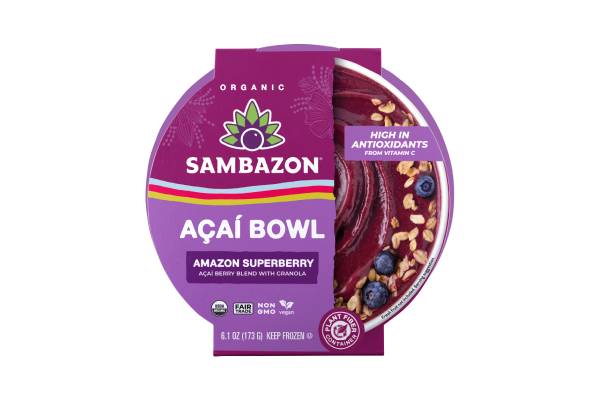
Because Sambazon is doubling down on the Brazilian berry: “We are not moving away from açaí. Açaí has built our distribution, and we are using what we’ve learned to create more opportunity across a more global supply chain and across the frozen fruit category.”
The next step? Making açaí more accessible and introducing more people to the broader world of organic fruits.
Deepening regenerative agriculture commitments
Alongside the transaction, San Clemente-based Sambazon announced that its wild-harvested açaí has been awarded Regenerative Organic Certified status, making it the first açaí brand to achieve the distinction. Sambazon sources directly from family harvesting communities in standing Amazonian forests and manages its own regional processing facilities to maintain supply-chain oversight.
Pitaya Foods brings complementary sustainability credentials to the platform. In 2025, the brand debuted the first nationally distributed Regenified-certified organic frozen fruit range at Whole Foods Market.
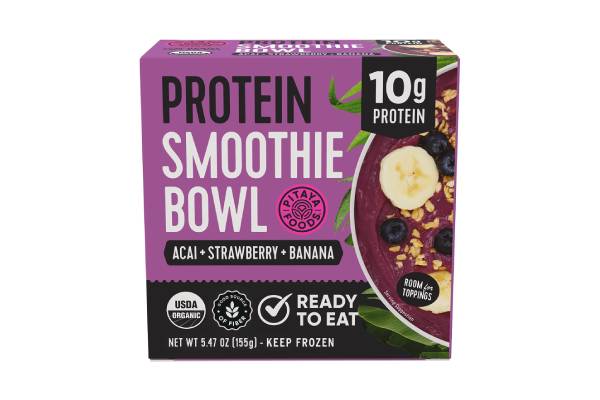
Through ongoing grower partnerships across Chile and Peru, Pitaya Foods has integrated regenerative practices, such as soil health restoration and biodiversity enhancement, across hundreds of acres of fruit production.
Together, the combined entity plans to leverage its processing capacity, cold-chain logistics, and farmer networks to scale value-added tropical superfruit solutions across retail, foodservice, and export channels in more than 50 countries.
*All images courtesy of Sambazon.
Related stories
Brazilian researchers sequence the acai genome for the first time
Brazil set to unlock the Chinese market for frozen pulps and fruits