








Greenhouse industry shifts focus: global growers prioritize resilience and food security in 2026
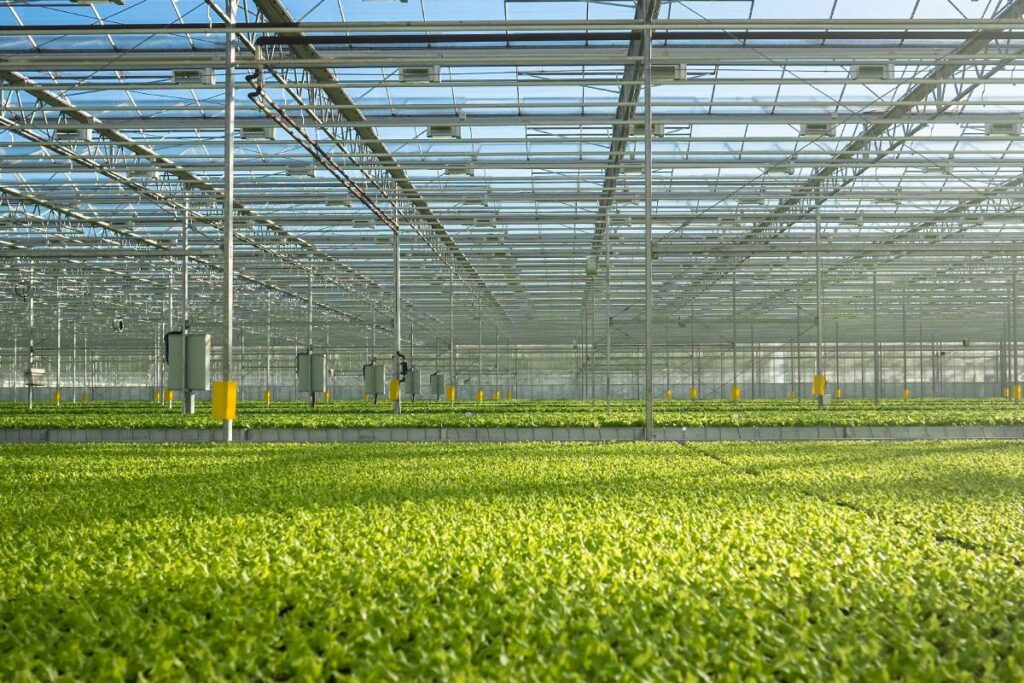



As global agriculture faces climate pressures and shifting economic priorities, RaboResearch says the greenhouse industry is simultaneously maturing and diversifying.

In its 2026 Global Greenhouse Update, Rabobank’s market insights branch says the industry's focus has shifted toward resilience and domestic security, with national food self-sufficiency moving from a secondary policy goal to a central driver of investment in greenhouse production.
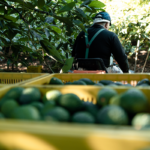
Likewise, the sector’s portfolio is undergoing significant expansion. Strawberries and leafy greens are emerging as the primary growth engines, while growers are experimenting with crops that are still rare in greenhouses, such as avocados and saffron.
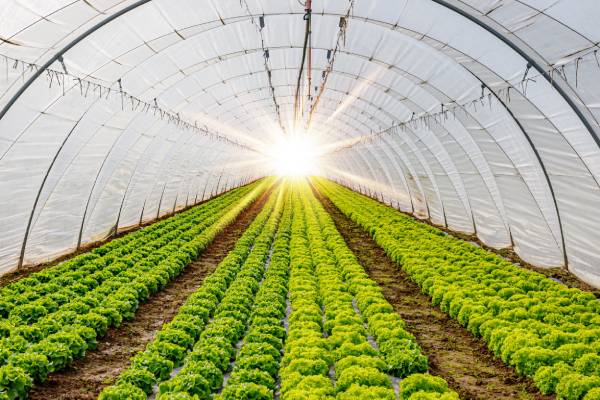
RaboResearch says that despite grappling with high capital costs and geopolitical uncertainty, the need to produce more food with fewer resources continues to support the expansion of high-tech glasshouses and mid-tech structures worldwide.
Weather and robotics are shaping the future of the greenhouse market
Just as in traditional agriculture, the greenhouse production outlook for the year is marked by a changing climate.
Extreme weather events and shifting pest pressures are forcing growers to invest heavily in adaptation. This involves a holistic approach to risk management, including the installation of advanced shade nets, rainwater harvesting basins, and sophisticated climate-control systems. These environmental challenges have turned sustainability from a buzzword into a prerequisite for financial viability.
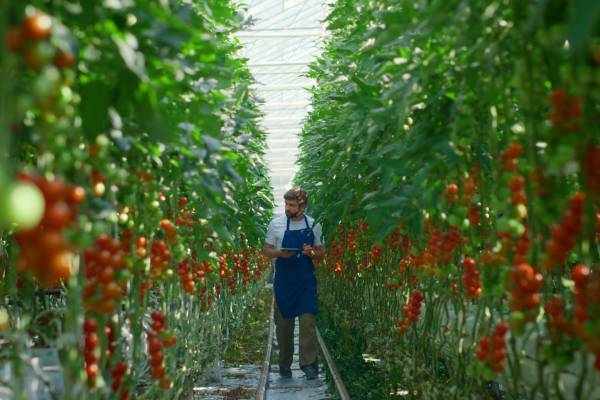
Despite their fame as water-gulping threats to the environment, the new year is unveiling an intriguing and unlikely friendship between greenhouse clusters and data centers. The RaboResearch report explains that greenhouses can use the consistent residual heat generated by server farms, significantly reducing their own CO2 emissions and heating costs.
The scarcity of labor and its rising costs have been largely hitting agriculture for years, pushing growers to find alternatives to protect returns. In greenhouses, this trend is accelerating the push toward robotization, with harvesting and picking technologies leading the way.
Market breakdown: Canada and China are setting the pace
From a market perspective, North America stands out as a region of diverging dynamics. Canada is aggressively scaling its high-tech greenhouse acreage, positioning itself as a leader in year-round production for the continent.
Conversely, the United States is seeing a decline in self-sufficiency for several key vegetables, becoming increasingly reliant on its neighbors to meet consumer demand. Mexico continues to cement its role as a strategic powerhouse, leveraging a versatile mix of production methods—from simple shade houses to advanced climate-controlled environments—to dominate the export market.
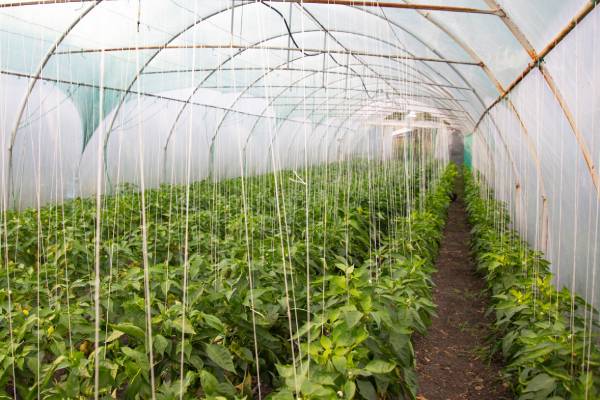
Across the Atlantic, the European market is undergoing its own realignment. A fierce competition for market share is unfolding between Spain and Morocco, with the latter increasingly challenging Spanish dominance in the fresh produce aisles of Northern Europe.
Meanwhile, in the Netherlands, the industry is witnessing a wave of consolidation. As energy prices remain volatile and capital requirements for high-tech upgrades rise, smaller growers are merging into larger, more resilient entities to survive.
Meanwhile, the Chinese protected cultivation area has more than doubled over the last 12 years, reaching an estimated 3.2 million acres. While much of this remains low-tech, there is a clear trend toward upgrading to mid- and high-tech systems to ensure food security for its massive population.
In Africa and the Middle East, countries like Morocco and Saudi Arabia are making significant strides in production, though rising domestic consumption often keeps pace with their expanding greenhouse capacity. Together, these regional shifts illustrate an industry rapidly adapting to a more fragmented, resource-conscious world.
*All images are referential.
Related stories
Climate change is pushing Florida avocado growers North, opening the door for the coveted Hass
Climate change forces Chile's cherry industry to rethink how it grows its star crop


Subscribe to our newsletter