






U.S. apple producers appease South Korean farmers over potential market expansion
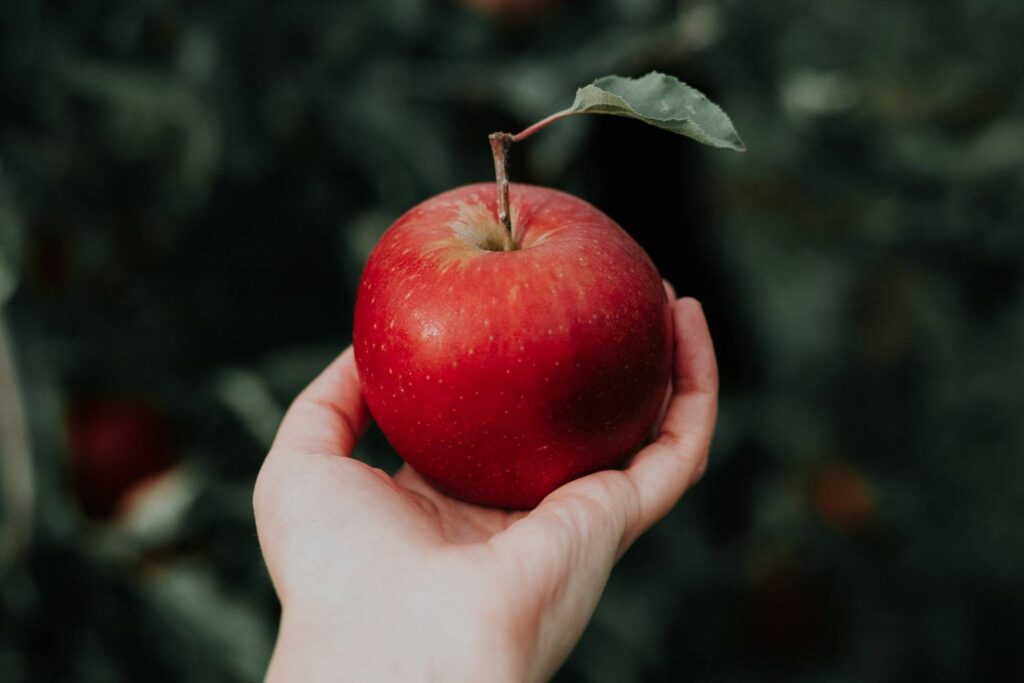



After South Korean Minister of Trade Yeo Han-koo said Seoul might concede to U.S. agricultural imports to protect other key sectors, like cars and steel, local apple farmers have been in uproar. As reported by Reuters, the eventual impact of the U.S. apples' market expansion into the Asian country has raised concerns among South Korean producers, who have protested under the claim that the local industry is being offered as a sacrificial lamb to appease the United States amid a trade war.


"U.S. apples are very cheap. We can't compete with them," Shim Chun-taek, a third-generation farmer, told Reuters.
The South Korean apple growers insist that opening the country up to U.S. apples would put immense pressure on the local industry, which has already been severely impacted by wildfires, rising costs, smaller harvests, and higher prices.
U.S. apples as a complement to local production
As South Korean farmers take to the streets, American apple producers seek to lower the pressure. Consulted by FreshFruitPortal.com, Michael Schadler, President of the Washington Apple Commission, explained that the concern felt by local apple growers is a natural reaction, "but it’s not based in reality."
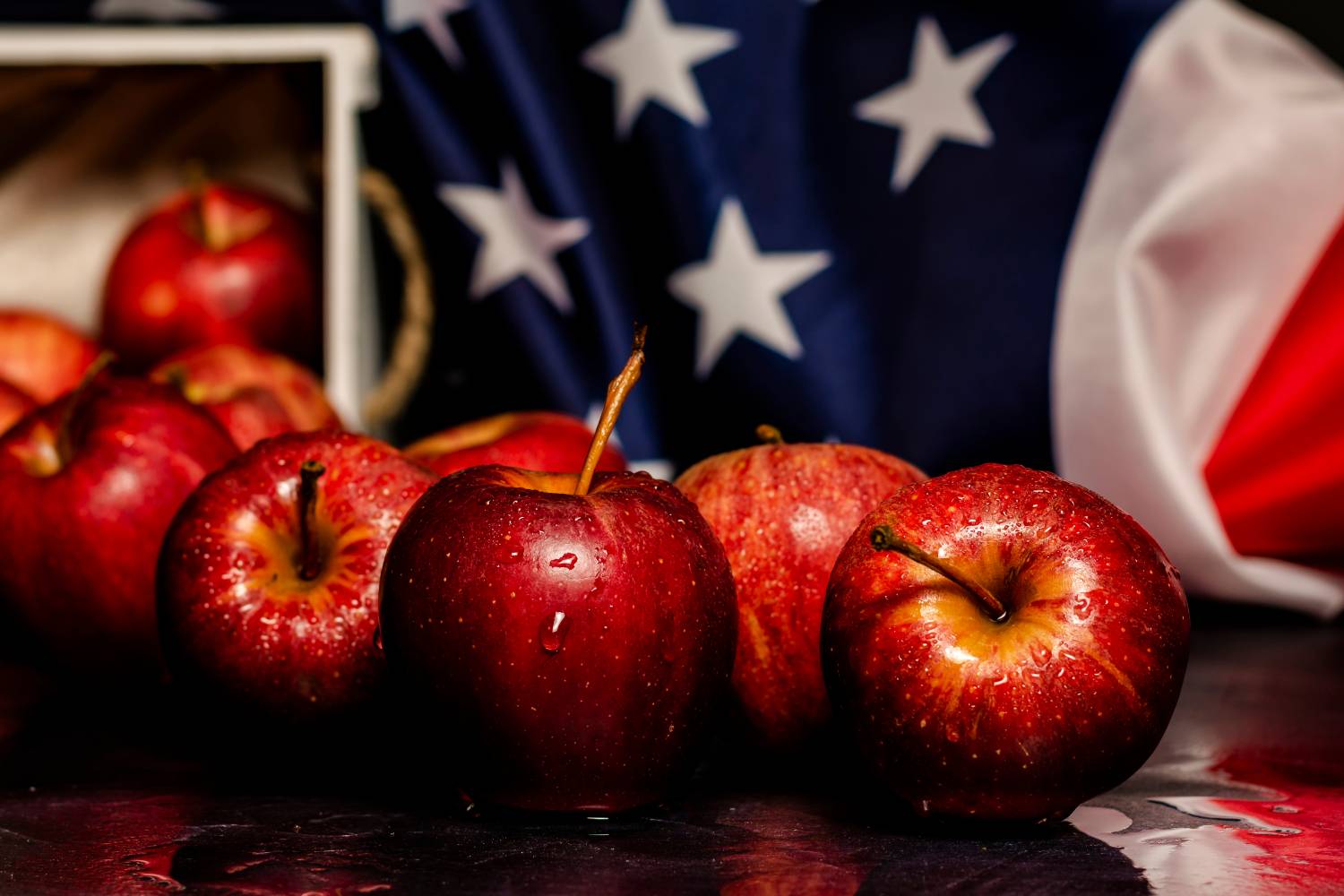
"Koreans appreciate high-quality food, and U.S. apples can help satisfy that demand," says Michael Schadler, from the Washington Apple Commission.
He says U.S. apples wouldn't flood the Korean market and push local producers out of business. Production costs in the U.S. are very high, he explained, and the vast majority of the product stays in North America, with Mexico and Canada being the industry's biggest exporting markets.
"If we were to gain access to South Korea, our apples would be a complement to the country’s domestic production, offering more variety for retailers and Korean consumers," Schadler said.
A deal, but not necessarily a sigh of relief
This week, the Trump Administration announced the U.S. had struck a trade deal with South Korea ahead of the August 1 deadline, which was announced after the extension of the Liberation Day tariffs.
On a Truth Social post, President Trump said the Asian country would be subject to 15% tariffs on all imports to the U.S. He added that as part of the deal, South Korea had also agreed to a $350 billion investment in the United States, plus a purchase of energy products worth $100 billion.
In the social media post, the head of state also stated that South Korea will accept American imports, including cars, trucks, and agricultural products. It is uncertain whether this includes apples and whether any tariffs, albeit low, will be involved.





Subscribe to our newsletter