







Costa Rica launches sustainability seal for pineapple exports
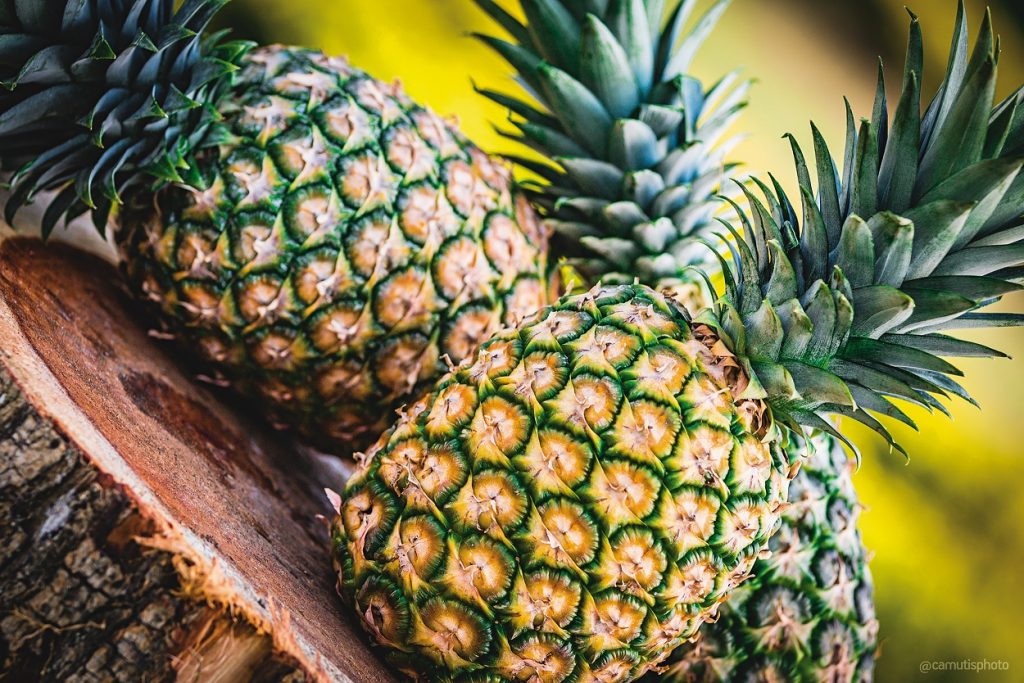




Costa Rica’s National Chamber of Pineapple Producers and Exporters (CANAPEP) has introduced a voluntary sustainability certification for pineapple growers. The move aims to ensure adherence to socio-environmental standards and enhance transparency in international markets—particularly the US, where the Central American country remains the undisputed top pineapple supplier.
The certification is supported by a rigorous technical manual developed in coordination with an inter-institutional socio-environmental commission. According to CANAPEP President Abel Chaves, the program focuses on five pillars: environmental control, social responsibility, occupational health, training, and operational control.
“Producers who wish to obtain the seal must join CANAPEP, accept the manual, and undergo assessments in their production areas. The evaluation requires a minimum compliance of 70 percent of the five pillars, and in case of deficiencies, an improvement plan is implemented,” Chaves told FreshFruitPortal.com.
Growers and producers may use the seal on export packaging and labels. CANAPEP says the program is designed to provide assurances to global buyers that Costa Rican pineapples meet both national and international standards related to environmental protection, labor practices, and responsible production.
Chaves noted that major exporters, including Fresh Del Monte, have shown interest in adopting the seal. He said this underscores its potential commercial value in key markets.
Strict guidelines to ensure quality and workers’ rights
The sustainability manual is reportedly aligned with 15 of the 17 United Nations Sustainable Development Goals, representing 88 percent compliance with those benchmarks, according to CANAPEP.
“All companies affiliated with the National Chamber of Pineapple Producers and Exporters must have social responsibility towards their workers,” Chaves said. This includes registering all employees with Costa Rica’s Social Security Fund, enforcing labor rights, prohibiting child labor, and ensuring protections against workplace harassment, particularly for women.
“CANAPEP does not allow child labour in its plants or plantations, and women's work is also clearly defined in terms of respect and harassment,” the executive said. “Consumers who buy pineapples from a CANAPEP member can rest assured that we do not exploit our workers.”
He added that the seal helps demonstrate Costa Rica's compliance with international expectations on environmental controls, including the use of agrochemicals.
Targeting US market confidence
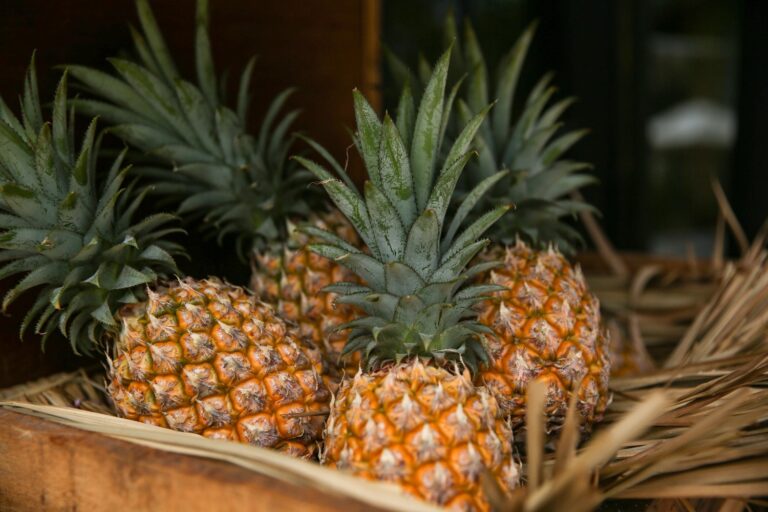
In the US market, Costa Rica remains the dominant pineapple supplier, accounting for approximately 87 percent of total fresh imports. Chaves cited a first-quarter US government assessment, ranking Costa Rican pineapple as number one among imported fruits with the lowest risk in pesticide use. This leading position represents a significant evolution for the Caribbean country, after ranking in third place for seven consecutive years.
The CANAPEP president added that Costa Rica closed the previous year with 96 percent compliance across the seal’s five pillars. The organization sees the initiative as a step toward further consolidating the country’s position as the world’s leading exporter of fresh pineapple and a benchmark for sustainable tropical fruit production.
“Companies that incorporate the seal on their boxes do so because they are truly committed to compliance in all these areas,” Chaves said.
Related articles:
U.S. tariff hike puts Costa Rican pineapple industry on high alert
Panama’s pineapple exports expand with new U.S. deal


Subscribe to our newsletter