






Mexico bans 35 pesticides in landmark regulatory shift



Mexico has implemented a nationwide ban on 35 pesticides classified as highly hazardous, marking the country’s most significant pesticide regulation in over 30 years.


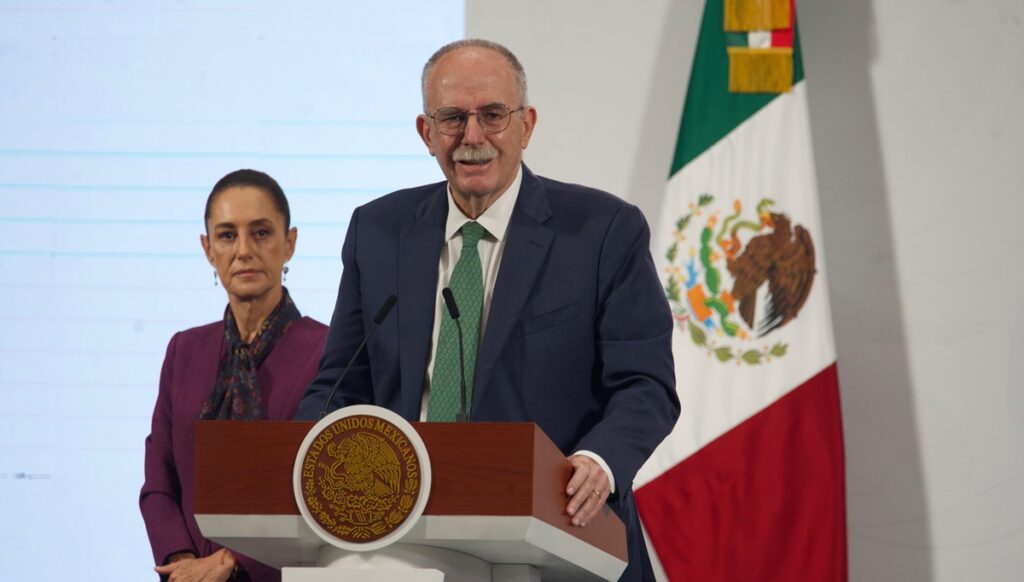
President Claudia Sheinbaum signed the decree on September 2, mandating the cancellation of all permits related to production, importation, usage, and disposal of the listed substances. The action is the country’s first major pesticide prohibition since 1991, when 21 active ingredients were forbidden.
The ban applies to potentially harmful pesticides identified by international agreements signed by Mexico. According to the government, these substances have viable substitutes and are already outlawed in several other countries.
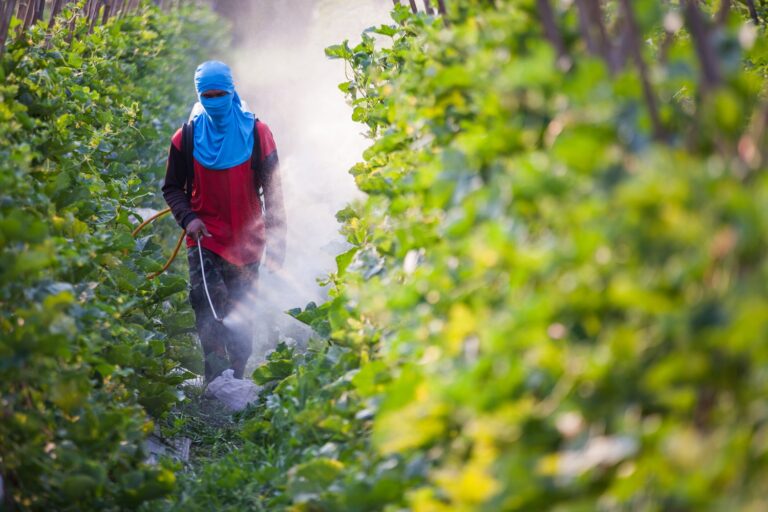
According to the Mexican Government, the measure aims to reduce the use of hazardous chemicals in agriculture, minimize health risks, and limit the accumulation of toxic substances in the food chain.
The initiative is part of a broader national strategy involving the Ministries of Agriculture, Health, Environment, and Economy, and aligns with international frameworks from the Food and Agriculture Organization, the World Health Organization, and the Stockholm and Rotterdam Conventions.
“Never in the history of Mexico has there been a ban on this type of product on this scale,” said Julio Berdegué Sacristán, head of the Ministry of Agriculture and Rural Development.
The decree also outlines initiatives to support small and medium-sized producers through the promotion of lower-risk and cost-effective alternatives. The government stated that the policy is designed to balance sustainability and food sovereignty goals as defined in the Mexico Plan, a strategy aimed at sustainable economic development.
Officials confirmed that this is the first step in a multi-phase regulatory strategy. Additional compounds are under review for potential inclusion in future bans, with a focus on replacing outdated pesticides with less toxic and more accessible alternatives.
“Mexico, in the Second Stage of the Fourth Transformation, will have a much cleaner, much more sustainable, and much safer agriculture for our population,” Berdegué said.
Related articles:
Mexican avocado industry bets on sustainability, pledging the fruit will be “deforestation-free” by 2026
Mexico sets minimum export prices for tomatoes







Subscribe to our newsletter