








Verité’s First Mile Toolkit helps ag professionals navigate complex labor compliance requirements




International nonprofit organization Verité has been helping businesses, governments, and civil society solve complex labor rights problems in global supply chains for the past three decades.


In 2021, during the International Labor Organization's International Year for the Elimination of Child Labour, Verité launched the Farm Labor Due Diligence (FLDD) initiative to publicly share its expertise in helping major companies develop sustainable labor practices.
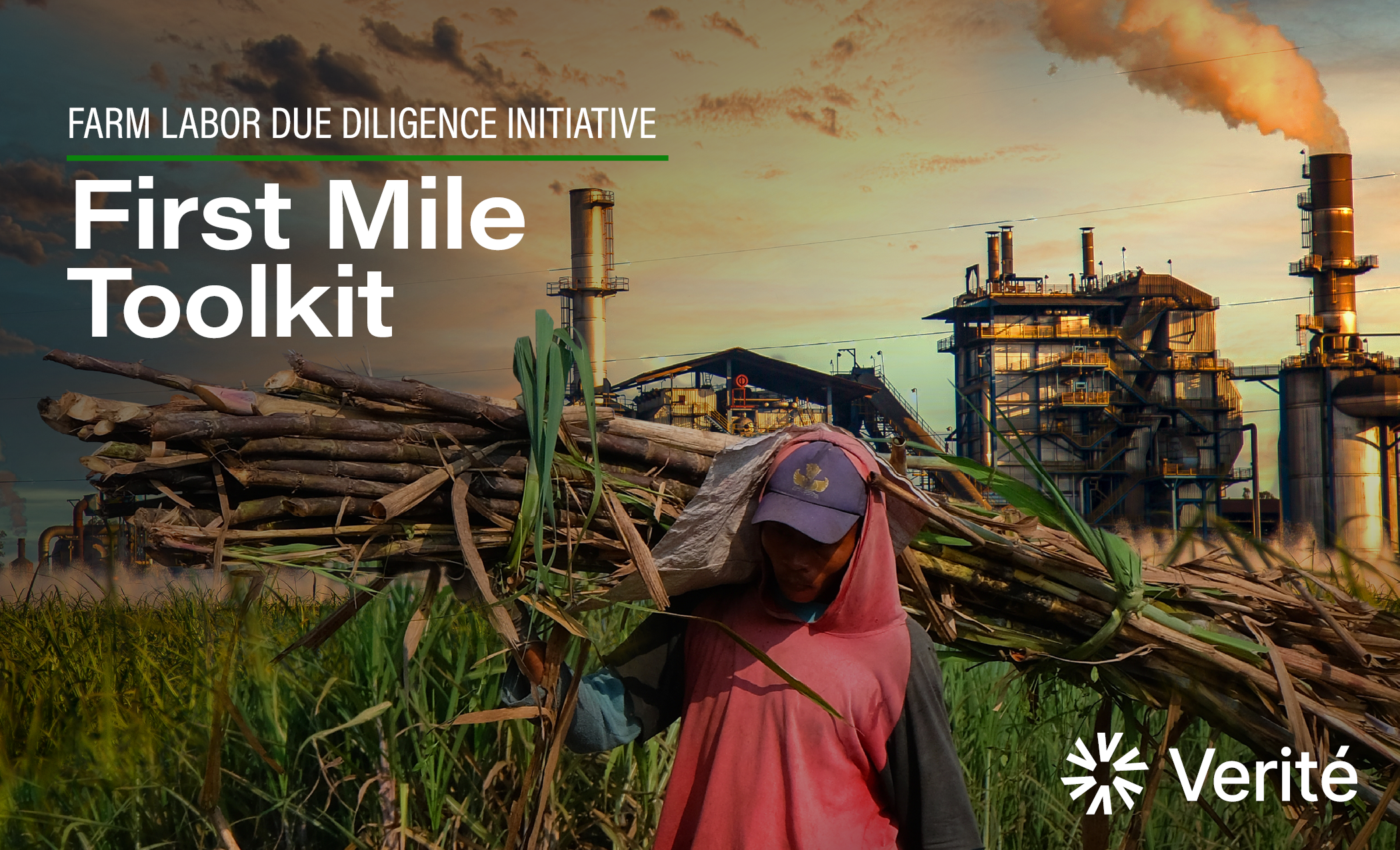
Verité’s First Mile Toolkit is the first in a series of FLDD tools and guidance, encapsulating decades’ worth of learning on human rights due diligence best practices. The platform lays out a series of actionable guidelines to keep labor compliance front and center in agricultural workplaces.

Rachel Rigby, Verité’s Senior Director of Extended Supply Chains
Rachel Rigby, Verité’s Senior Director of Extended Supply Chains, has been in the field of labor standards and social impact for over two decades and has had a connection with the organization since before she joined.
“I always thought maybe someday I'd like to work at Verité, and a couple of years ago I got the chance to do that.”
Rigby says Verité has stayed true to its mission, and she has been doing her part by partnering with food, beverage, and ag sourcing companies inside and outside the U.S. Her role is to assess labor standards and compliance in their supply chains and create enforcement plans to make workplaces safe and sustainable.
Verité helps businesses shift from reactive compliance to proactive risk management by identifying and addressing potential labor issues before they occur. This includes ensuring workplace social audits gather accurate data from workers and meet company standards and commitments.
For example, Rigby explains that if a company requires ‘no child labor under a certain age,’ that directive needs to be enforced by monitors on the farm, and Verité’s job is to help “cascade that requirement and make sure that growers know it and comply with its expectations.”
In many countries, laws are in place that align with the company’s labor standards and requirements. However, Rigby says that to ensure protection of farm workers, companies should have strong management systems in place and do their own monitoring to ensure continuous improvement. This is where Verité’s First Mile Toolkit comes in.
“The toolkit is about helping companies communicate to their suppliers and sub-suppliers, getting to that first mile level, how to appropriately manage the labor risks so that the products they’re growing and selling will meet company expectations and the legal obligations in their own jurisdictions,” Rigby says. “It doesn't work to just say to suppliers, 'Do your due diligence’ and then walk away.”
According to Rigby, the toolkit is essential for achieving full labor compliance, but going beyond the bare minimum requires maintaining strong supplier relationships.
“You have to not only share a toolkit like this,” Rigby adds, “but we also advocate for companies that want their suppliers and growers in their supply chain to really do human rights protections well, to invest in helping them put these kinds of systems in place.”
The First Mile Toolkit’s core goal is to advance human rights due diligence, but Verité understands this objective as the result of a “cycle of continual improvement.” This is why companies don’t need to implement the toolkit’s components all at once.
Rigby said workers’ safety and workforce retention are only two of a multitude of reasons why it’s essential to emphasize due diligence from the very first link of the chain. The toolkit will help companies strive for both.
“If you have these practices in place, you can likely meet the labor requirements of any certification program because the toolkit is based on international norms and standards,” Rigby explains.
The executive envisions a future with more and better-enforced basic protections for farm workers, making early implementation of Verité’s toolkit essential for companies to thrive in the wake of new regulations: “There will be more and more human rights due diligence laws that aren't going to go away. So, if you start putting in place these kinds of system controls now, your company will be ready to meet the requirements of future partners, too.”

For more information, contact:





Subscribe to our newsletter