







Innovation and exports drive expansion in Saudi Arabian date industry



 Add Fresh Fruit Portal to Google
Written and reported by Camila Gutierrez | Lee esta noticia en Español


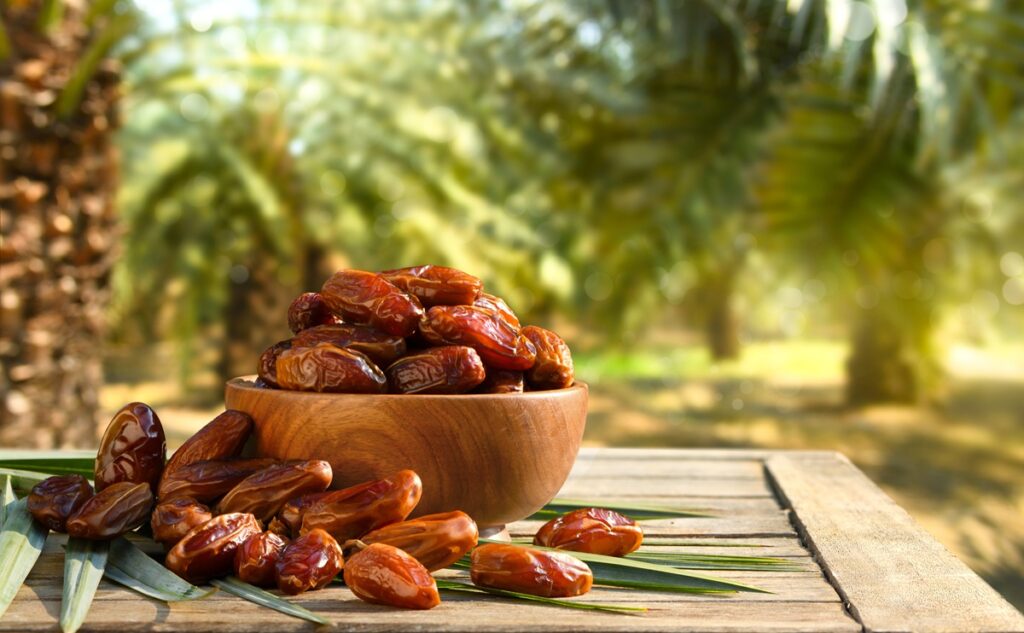
The Saudi Arabian date market represents one of the most prominent segments in Saudi Arabia's agricultural economy. The dried fruit is a cultural heritage emblem for the Western Asian country, and as a result, its market offers extensive commercial opportunities.
According to a report by MarkNtel Advisors, the market was valued at approximately $238.19 million in 2025 and is projected to reach around $286.29 million by 2030, driven by rising consumer demand, global exports, and innovation in date-derived products.
This growth outlook underscores how dates—also known as the “fruit of life”—remain a vital component of both Saudi diets and global food trade.
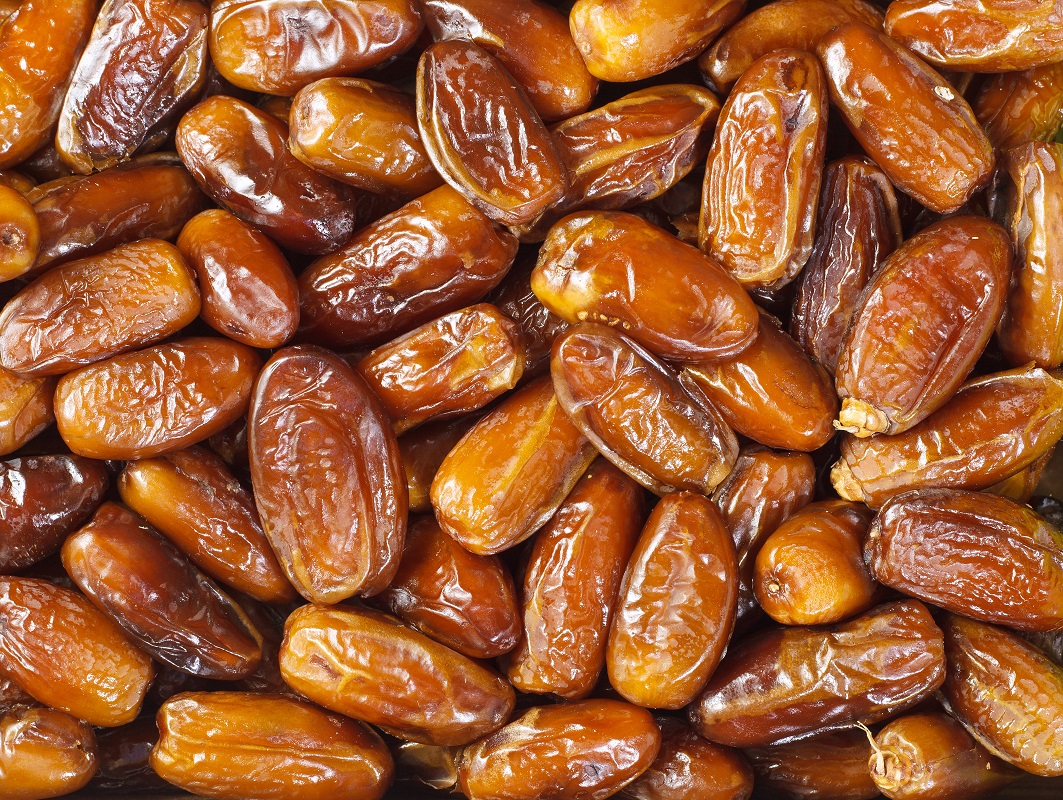
Medjool dates lead the market with a share of around 30 percent, followed by Ajwa, Khalas, Sukkary, Barhi, Zahidi, and Deglet Noor. Households are the dominant consumers, but demand is also rising in the food and beverage, cosmetics, and nutraceutical sectors. Supermarkets and hypermarkets account for over 70 percent of sales, and online trade is growing rapidly.
The Saudi Arabian date industry is on the rise
The Kingdom stands out as a global leader in the production and export of high-quality dates. Saudi Arabia produces nearly 2 million metric tons annually, which is the output of more than 32 million date palms.
Local interest remains solid, and international interest in premium Saudi Arabian dates is accelerating, driven by health-conscious consumers and global food trends. The heavy investments in technology, logistics, and sustainable farming mean the industry is expecting an increased market share both regionally and globally.
The report highlights several growth drivers:
-
Cultural and religious demand: About 93 percent of the Saudi population is Muslim, and dates play a central role in religious practices, especially during Ramadan.
-
High production and export capacity: In addition to producing nearly two million tons of dates annually, Saudi Arabia exports more than 350,000 metric tons of the dried fruit to over 130 countries, including India, the UAE, Turkiye, and the United States.
-
Government support: Through the Agricultural Development Fund, the government has invested $5 billion in agro-export infrastructure and $13 billion in new food processing plants and logistics facilities, driving the sectors' expansion and innovation.
-
Smart farming practices: The adoption of AI-driven robotics, IoT sensors, and automated irrigation systems has increased yields while reducing labor costs and water consumption, transforming efficiency and sustainability.
-
Global health trends: The rising demand for organic, sustainable, and nutrient-rich foods positions dates as a preferred natural sweetener and energy source, boosting their global market value.
Challenges and opportunities for Saudi Arabian dates
Despite solid growth, the industry faces key challenges, including high cultivation costs, dependence on desalinated water for irrigation, and expensive fertilizers, which increase production expenses and strain the profitability of small and medium-sized farmers.
Post-harvest loss from pests—particularly the red palm weevil, dust mites, and bird damage—is also significant. Nearly five percent of palm trees are lost annually, resulting in financial damages of about $5 million. These risks underscore the need for stronger phytosanitary management and investment in more resilient farming systems.
Even so, opportunities are presenting themselves through export growth and agro-industrial infrastructure development, bolstered by government funding.
And, the rising international demand for organic and premium dates opens further avenues for new efforts in product design, branding, and distribution strategies. E-commerce platforms are driving premium date sales to international buyers and facilitating market penetration in Europe, Asia, and North America.
Saudi Arabian date outlook to 2030
As consumers increasingly demand healthier, organic, and premium products, Saudi Arabia's ability to adapt through modern farming practices, effective branding, and robust export infrastructure will be crucial. The sector is also aligned with the goals of the government Vision 2030 program, which cements Saudi Arabian dates as both a cultural symbol and a strategic economic driver.
As the Kingdom reinforces its role in the global food trade, Saudi Arabian dates will continue to represent cultural heritage and serve as a modern source of economic gain.
Related stories
Natural Delights reports sales boost after nationwide media blitz
Oasis Date debuts as world’s first regenerative organic certified date farm







Subscribe to our newsletter