

True sustainability comes from functional, high-performing fresh produce packaging, report says
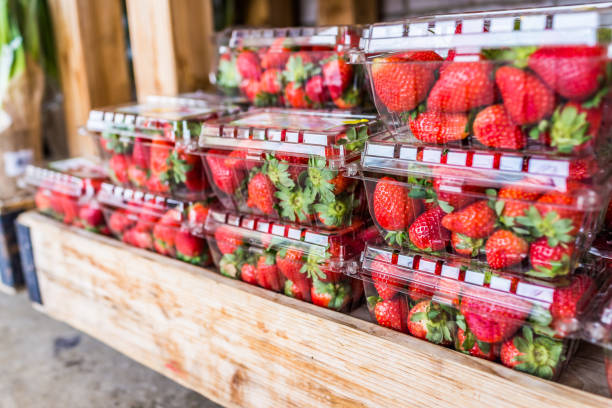



The road to truly sustainable produce packaging may be easier if we approach it by focusing on functionality first.


That’s the strategy presented by the Roadmap to Sustainable Fresh Produce Packaging report, an industry-unifying roadmap that aims to guide this product category toward a “functional, economical, and environmentally conscious” future.
The guidelines focus on judging whether packaging is sustainable not only based on whether it’s recyclable or compostable, but also on its durability and ability to protect produce as it makes its way through the supply chain.
An holistic approach to produce packaging
Published by the Sustainable Produce Packaging Alignment (SPPA) consortium, the report states that a unified, waste-less packaging industry can only be achieved by prioritizing the lifespan and composition of fresh produce packaging, rather than its end-of-life fate.
This approach shift aims to address what the SPPA calls a “sustainability paradox.” This is where the produce industry is constantly trying to adjust to new “national and local policies and conflicting mandates from buyers and retailers,” while overlooking the “science-based understanding of full life cycle performance and environmental impact” of produce packaging.
Many sustainability requirements focus on the moment packaging is discarded. However, this is a mistake, according to the SPPA.
Functional sustainability looks at how packaging performs through its lifespan, mitigating environmental impacts, and considering end-of-life sustainability. According to the SPPA report, this is how packaging can be less wasteful and achieve its primary goal—to protect and preserve the food it contains.
What truly sustainable produce packaging looks like
The SPPA report suggests that the industry should consider three key pillars when selecting product packaging: its origin story, its functionality, and its end-of-life cycle.
“Upstream,” or its origin story, requires taking a critical look at the packaging material. There are several options with different life cycles and capabilities. For example, recycled materials, from finite, non-renewable resources such as petroleum (e.g., traditional plastics), or renewable sources such as trees, corn, or sugarcane (e.g., paper, bioplastics).
The decision should vary depending on the item, and must be chosen carefully, as “packaging that does not account for the complexity and functionality needs of fresh produce will fall short in performance,” and lead to waste.
Then, there is the primary role of packaging—functionality. The principle emphasizes that finding packaging that performs well for your commodity is essential.
The goal of produce packaging is to preserve freshness, prevent damage, and ensure food safety. Commodities’ farm-to-table time frames differ. So, before choosing a packaging, the report recommends considering your product’s shelf life and cold chain and display temperatures, as well as other factors that might affect it.
Finally, producers have to consider the end-of-life stage of packaging. For the product to be sustainable, it needs to be made of recyclable and compostable materials with the “infrastructure to be biodegradable.”
The roadmap also introduces an approach of grouping fresh produce commodities by shared functional requirements (Robust, Resilient, Delicate, and Highly Perishable). According to the SPPA, this could enhance supply chain efficiency.
Related stories:
Fyffes cuts emissions, boosts food aid in midterm sustainability report









Subscribe to our newsletter