


Pier 500—the Port of Los Angeles’ first new container terminal in a generation projects to boost efficiency by 2035
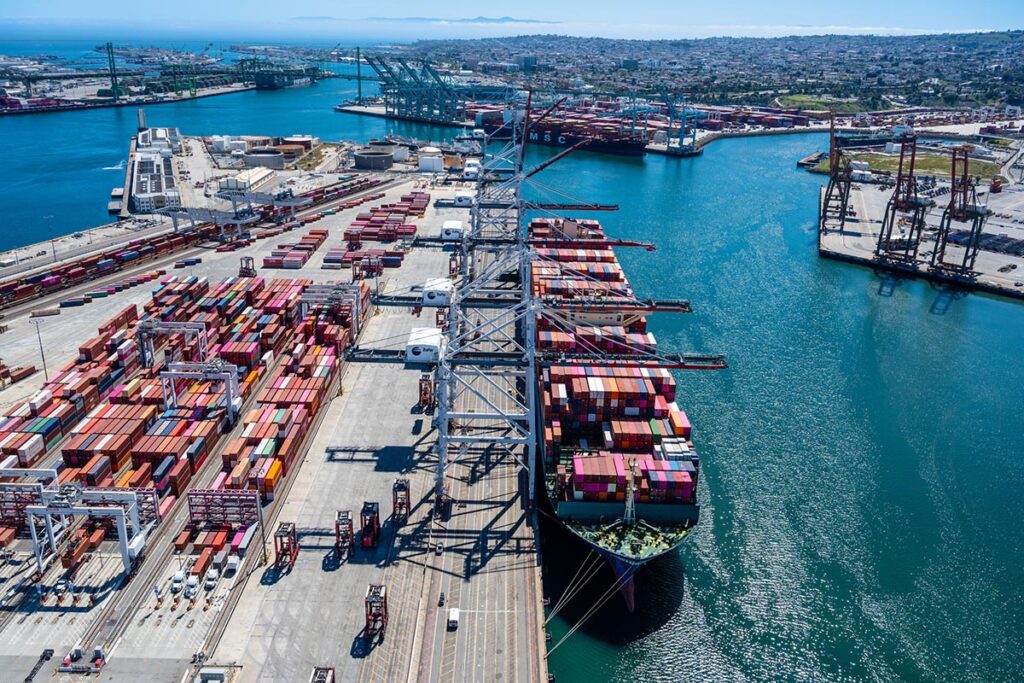



The Port of Los Angeles is seeking proposals for the pre-development of Pier 500, a proposed new stand-alone marine container terminal along the Pier 400 Channel.


The selected entity would enter into a public-private pre-development agreement with the port to scope the project’s financial feasibility, procure necessary entitlements, and address other requirements before the implementation and build-out of the project.
“For the first time in a generation, the Port of Los Angeles plans to build a new container terminal,” said Port of Los Angeles Executive Director Gene Seroka. “The development of the cleanest terminal possible would enhance our efficiency and sustainability while creating new jobs in our communities.”
Increasing efficiency at the Port of Los Angeles
Pier 500 would be a 200-acre site with two new berths and approximately 3,000 feet of new available wharf. The projected site for construction lies just south of Pier 400, currently the largest container terminal at the Port of Los Angeles.
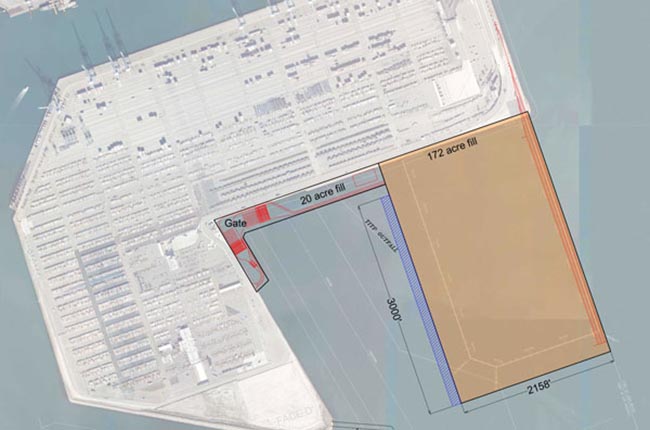
Located in natural deep water on the southern tip of the port’s Terminal Island, the project site would significantly increase the point of entry’s cargo efficiency, as it would allow for bigger, next-generation cargo ships.
For decades, the West Coast port has planned to respond to increased demand by exploring proposed plans to add cargo capacity. During this effort, the Port identified a submerged site of 124 acres that was added during the construction of the adjacent Pier 400, before its completion in 2002.
The proposed Pier 500 project would enable the port to leverage this existing asset.
The entire proposed Pier 500 project, from pre-development, entitlement procurement, and environmental review, to full build-out and operation, is expected to take approximately 10 years.
Related stories
Container Port Performance Index: Key ports in developing nations are on the rise
South African companies call for the privatization of Cape Town port, citing $56 million in losses
Georgia Ports celebrates 80 years highlighting expansion in operations










Subscribe to our newsletter