








US avocado market sees unexpected shift as consumers embrace smaller sizes
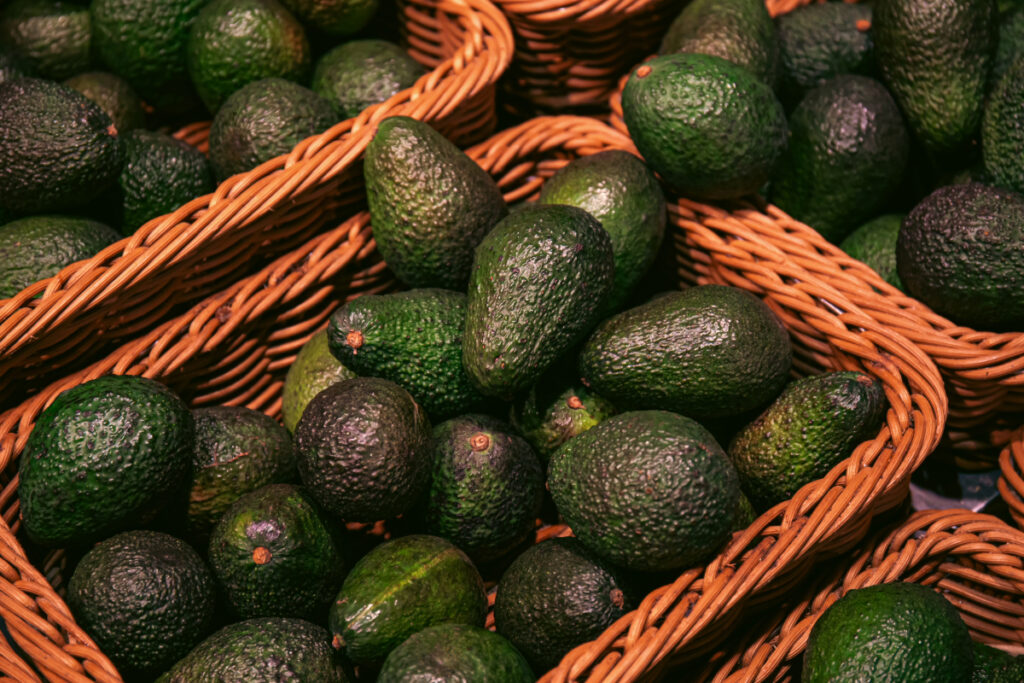



According to the US avocado marketing powerhouse, the Hass Avocado Board (HAB), American grocery stores sold mostly smaller Hass avocados last year. To the industry’s surprise, consumers not only didn’t mind the shift, but they seemed to prefer it.


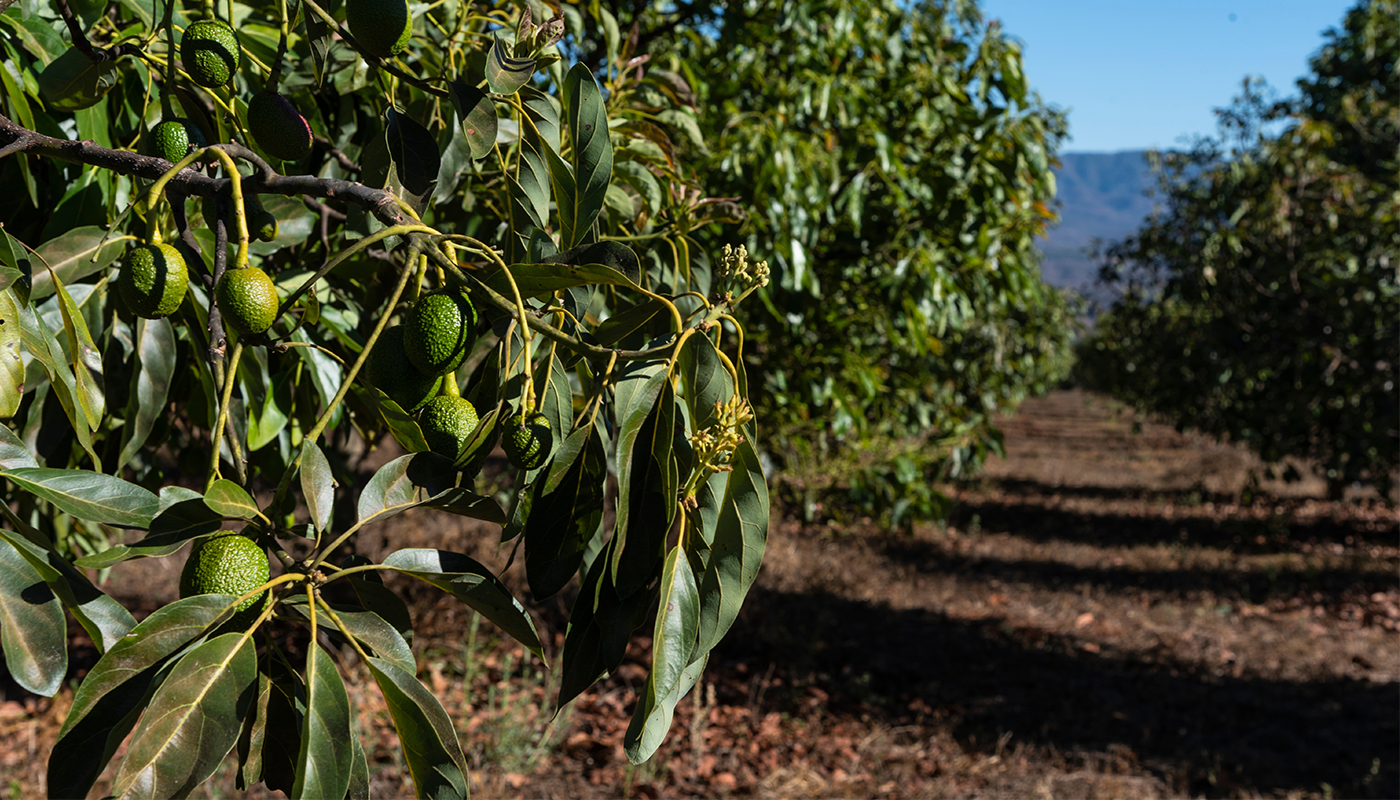
Due to weather anomalies, the largest global Hass avocado suppliers, including Mexico, Colombia, California, and Peru, produced smaller-than-usual fruit. Retailers saw a 30 percent decrease in volume of the industry’s bread-and-butter sizes, the 40s and 48s, and a 9.5 percent increase in smaller sizes—60s, 70s, 84s, and 96s.
However, this shrink didn’t deter US Hass avocado buyers. Fueled by higher average prices for smaller-sized Hass—up to $1.16 in 2024 from $1.04 in 2023—US annual per capita Hass avocado dollar consumption went up by 12 percent, to $22.63.
Instead of abandoning the variety for other avocado types, and despite smaller Hass avocados becoming more costly, Americans stuck with their long-beloved Hass.
Smaller avocados are in vogue
HAB Executive Director Emiliano Escobedo says smaller fruit is a major trend the industry needs to monitor and seriously consider when making strategic decisions.
Escobedo emphasized that, moving forward, the industry should take note of the size shifts. If countries continue to produce smaller fruit, the Hass avocado industry needs to tailor other areas to the idea that “small is better.” These include marketing, growth, and strategic planning.
The executive emphasized that there’s value in smaller fruit, as it has a different usage. In that regard, consumer education efforts must support them.
Escobedo is clear in saying that this is not the end of America's love for jumbo fruit, but certain pockets of the country prefer smaller avocados.
“Texas and the Southwest are known for consuming heavy amounts of small fruit; the Hispanic population tends to buy smaller fruit. And if you go into the Northeast, you know they tend to size up,” he explained. “So maybe we need to start thinking about how we can communicate to the consumer the benefits of having both.”
The industry's need for adaptation
If size trends are not taken into account by the industry, Escobedo says, it could lead to substantial hindrance in growth.
“You have to make sure that future promotions that are being executed at the point of sale are in alignment with the size trend,” he explained. “If you're only promoting large sizes, or the sizes that are not necessarily abundantly supplied, then you could be missing out on a higher sale.”
It seems that the trend is not going away anytime soon, and it’s even proving profitable. This year, retail unit growth during major Hass avocado-eating holidays—Easter, Cinco de Mayo, and Memorial Day—was mainly driven by small avocados. Nearly half of small avocado volume sales during the holiday week came from promotions. Retailers increased promoted volume by 242.7 percent this year.
Related stories:
Hass Avocado Board focuses on nutrition research in new strategic plan











Subscribe to our newsletter