
Water sustainability and logistics drive the Panama Canal's strategic transformation


Written and reported by Macarena Bravo | Lee este artículo en Español


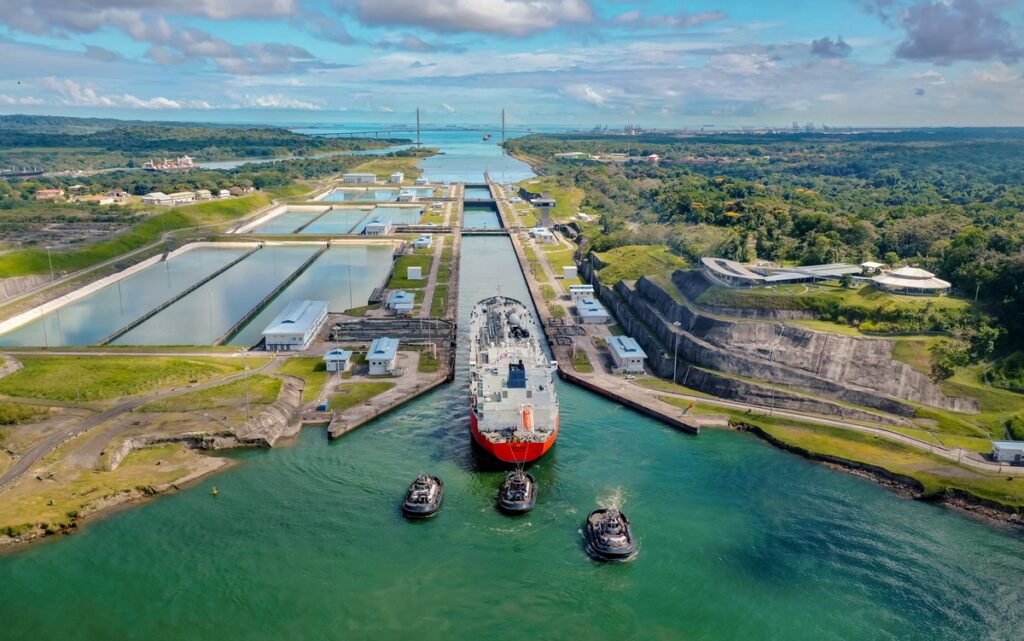
Invited by the Compañía Sud Americana de Vapores Foundation, the President of the Board of Directors of the Panama Canal Authority (ACP), José Ramón Icaza, arrived in Chile to participate in Global Trade Day.
During the event, he talked about the projections and hurdles facing the interoceanic waterway amidst global economic recovery, geopolitical pressures, and environmental challenges.
During his presentation, Icaza explained that the budget for next year amounts to over $5 billion, representing a 14.5 percent increase compared to the previous year.
In this regard, the Panama Canal would directly contribute to the Panamanian State of over $3 billion, "which reaffirms the Canal's role as the backbone of national financing."
The future of the Panama Canal
With a long-term vision, Icaza outlined a roadmap for the operational, environmental, and strategic transformation of the Panama Canal, built around key maxims.
One of them is water sustainability, the Canal's main structural challenge.
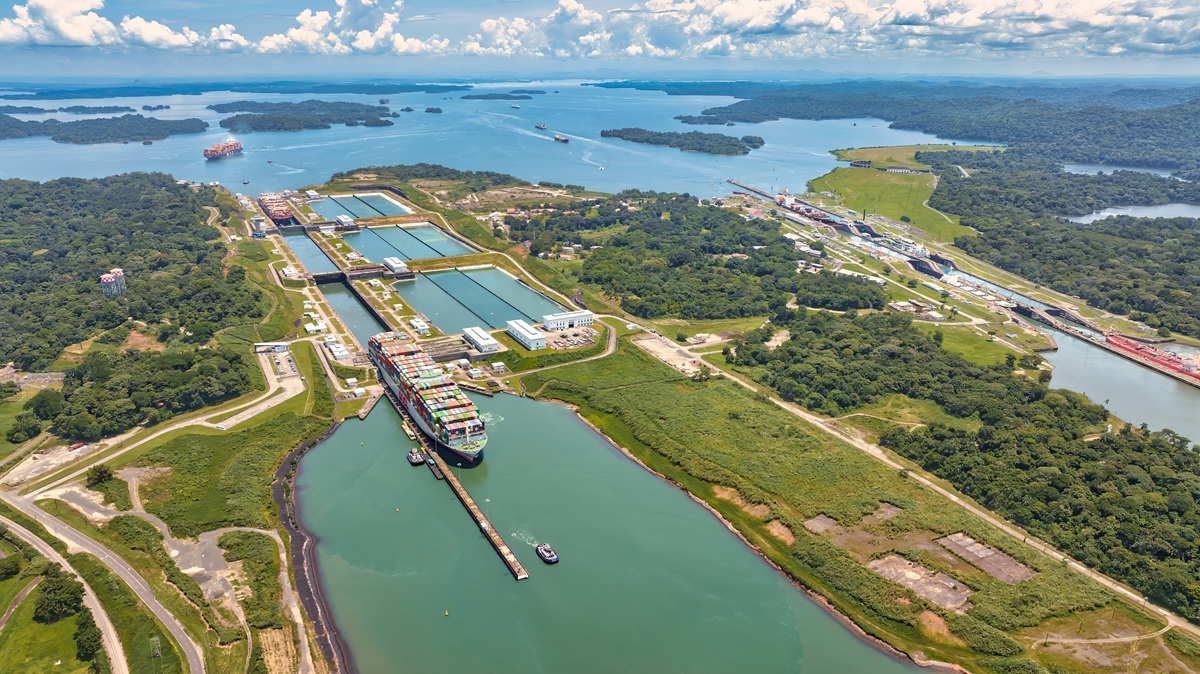
"For 2026, the ACP will continue investing in the Río Indio Lake project and other technical solutions that ensure water for both Canal operations and the consumption of more than 50 percent of the Panamanian population," he said.
He added that it’s impossible to speak of growth without ensuring the water resources.
"Water is the heart of Canal operations, and the ACP's commitment is to guarantee it for future generations," he clarified.
The plan doesn’t only include investments in infrastructure but also in measurement technology, watershed conservation, stormwater management, and cooperation with local communities.
An emphasis in logistics
The budget presented by Icaza also reflects the intention to take the Panama Canal beyond a maritime passage and turn it into a central hub of a regional logistical ecosystem.
In this vein, Icaza commented that the ACP's vision includes greater storage capacity, land-maritime connectivity, and technological services. These initiatives aim to generate added value beyond transit.
To achieve this, he proposed guidelines aimed at strengthening the port and hub, along with promoting public-private partnerships to develop logistical zones.
Additionally, the Panama Canal seeks to enhance the digitalization of processes and the use of data to optimize operations. The goal here is to consolidate a "Smart Canal," focused on efficiency and sustainability.
Minister Icaza also highlighted investment in human capital as an institutional priority. He emphasized that the Canal's workforce is highly qualified, and that the ACP is committed to training programs, retaining technical talent, and promoting young leadership.
"The future of the Canal depends on its people. We are committed to knowledge, innovation, and the pride of being part of this national mission," he stated.
The Canal’s economic impact in Panama
Icaza also addressed the relevance of the Canal's economic contribution, as it constitutes an irreplaceable asset for the country. The minister said the maritime passage contributes more than $3.1 billion to Panama, financing sectors such as health, education, and infrastructure.
"The Panama Canal is more than a maritime route. It is an expression of our sovereignty, technical capacity, and commitment to the world,” Icaza said. “Administering it well is the greatest act of economic patriotism we can offer."
*All images courtesy of the Panama Canal Authority.
Related stories
Container Port Performance Index: Key ports in developing nations are on the rise
Port of Rotterdam strike comes to an end: Agreement reached after 7-day stoppage
Shipping industry and U.S. tariffs—Navigating unknown waters




Subscribe to our newsletter