
FAO tallies $3.26 trillion hit to global agriculture
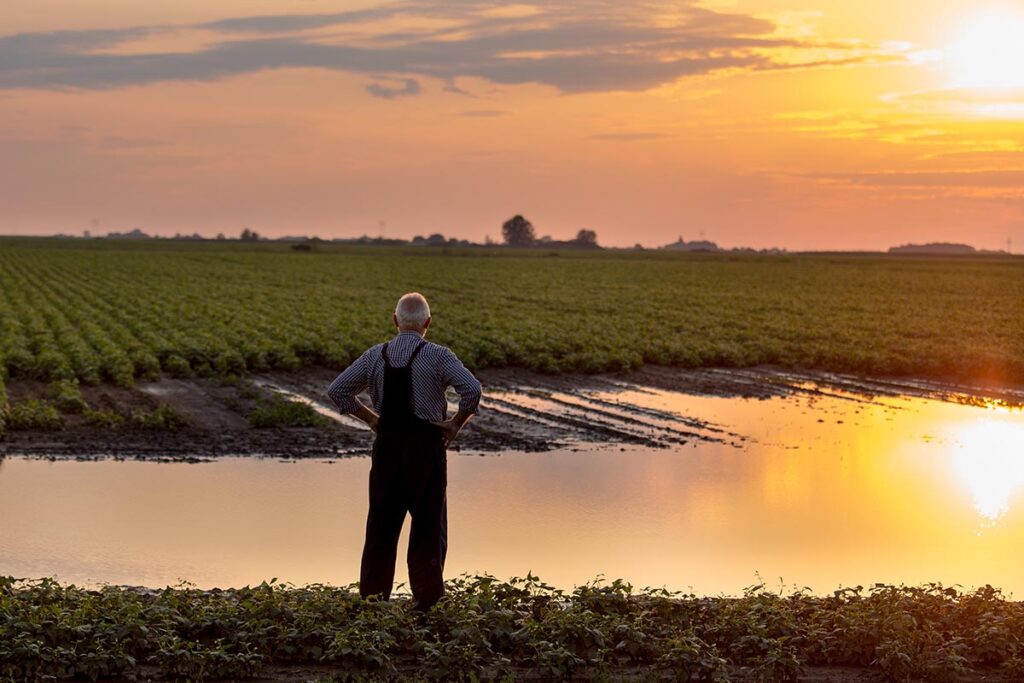



Global agriculture has been hit hard by decades of natural shocks, and the United Nations’ Food and Agriculture Organization’s newest assessment puts a price tag on the damage: $3.26 trillion lost over the past 33 years.


The agency’s latest Impact of Disasters on Agriculture and Food Security 2025 report frames the cumulative toll as a wake-up call, positioning digital technology as the sector’s most promising line of defense.
“From the 9.1 million farmers now accessing parametric insurance through digital platforms to the communities using our early warning systems to evacuate 90 percent of at-risk populations before disasters strike, we are witnessing a fundamental shift from reactive response to proactive risk reduction,” FAO Director-General QU Dongyu says in the document’s foreword.
Regional losses pile up
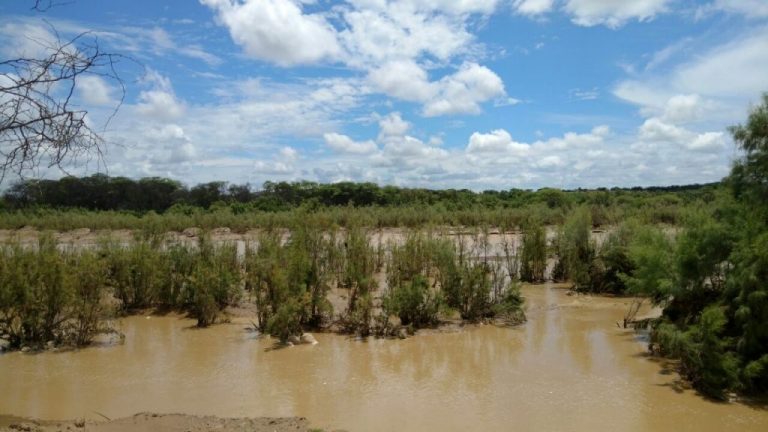
The FAO calculates that disasters erased 4.6 billion metric tons of cereals, 2.8 billion metric tons of fruits and vegetables, and 900 million metric tons of meat and dairy between 1991 and 2023.
The agency attributes the losses to a wide range of shocks, including droughts, floods, pests, and marine heatwaves. It estimates a resulting daily per capita energy reduction of about 320 kilocalories—roughly 13 to 16 percent of average dietary needs.
Asia accounted for the largest share of economic losses: 47 percent or $1.53 trillion, driven by both its production scale and exposure to weather-related events. The Americas followed with $713 billion in losses, representing 22 percent of the global total. This reflects the recurring droughts, hurricanes, and extreme temperature events that affected major crop systems.
Africa recorded lower absolute losses at $611million but experienced the greatest proportional impact, losing 7.4 percent of agricultural GDP. FAO reports that Small Island Developing States also face disproportionately high losses due to vulnerability to cyclones, floods, and rising sea levels.
Marine heatwaves added another $6.6 billion in fisheries losses from 1985 to 2022, affecting 15 percent of the category globally. FAO notes that these losses often go unaccounted for despite supporting the livelihoods of about 500 million people.
Digital shift
The report also states that digital advances are enabling earlier and more localized decision-making across agrifood systems. Artificial intelligence, mobile connectivity, sensors, and drones are just some of the developments setting the pace.
The FAO highlights projects such as the Climate Risk Toolbox, used in more than 200 planning initiatives, and the Rift Valley Fever Early Warning Decision Support Tool, which the organization says has helped forecast outbreaks in East Africa, guiding timely vaccinations.
The report also highlights platforms, including SoilFER for soil-fertilizer matching, the Fall Armyworm Monitoring and Early Warning System, which is now used in 60 countries, as well as digital parametric insurance services that the FAO says have reached more than nine million farmers.
Other early warning systems, such as GIEWS can produce returns of up to $7 for every dollar invested. The agency also cites its integrated Risk Monitoring and Situation Room and its Financing for Shock-Driven Food Crisis Facility as part of its shift towards preventive action.
Connectivity gaps limit impact
The UN agency warns that the promise of digital transformation remains uneven. Approximately 2.6 billion people lack internet access, many in rural areas that are most vulnerable to disaster impact.
The agency calls for more investment in digital infrastructure, capacity building, and coherent policy frameworks to ensure smallholders, women, youth, and indigenous communities benefit from technological gains.
Governments, private sector partners, and international organizations, the report says, should prioritize integrating digital risk-reduction tools into national agriculture strategies to strengthen agrifood system resilience and limit future losses.
Related stories
Fruits of change: FAO pushes to put farming at the core of COP30 talks
FAO urges members to use challenges as an opportunity to transform global agrifood systems




Subscribe to our newsletter