









The Mean Sixteen: Report urges action on ag biosecurity



A new Farm Journal Foundation report is calling on the United States government to step up efforts to prevent and respond to agricultural health outbreaks. The “Mean Sixteen” cost the industry billions of dollars annually and contribute to higher food prices for consumers, the document warns.


The report, titled The Mean Sixteen: Major Biosecurity threats facing the US agriculture and how policy solutions can help, outlines recommendations aimed at strengthening prevention, monitoring, and response systems.
The analysis spans row and specialty crops, livestock, and aquaculture, with several issues directly affecting fruit and vegetable production.
“We spoke with leading experts across the country about each industry’s unique challenges, but the bottom line is clear,” says Senior Policy Adviser at Farm Journal Foundation and author Stephanie Mercier. “We need to invest more in agricultural research and innovation, and strengthen systems that monitor and address outbreaks before they get out of control.”
The Mean Sixteen are already in the field
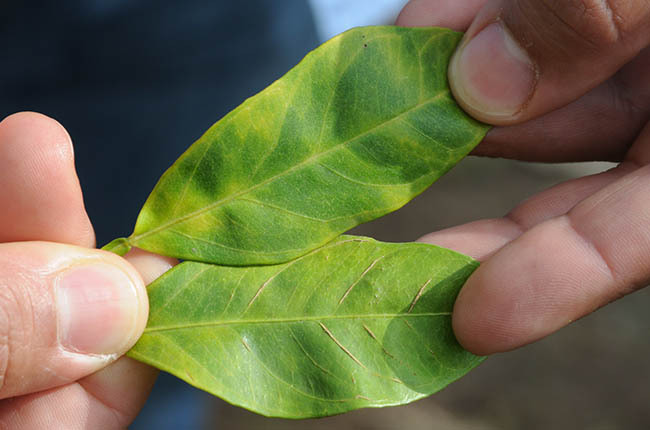
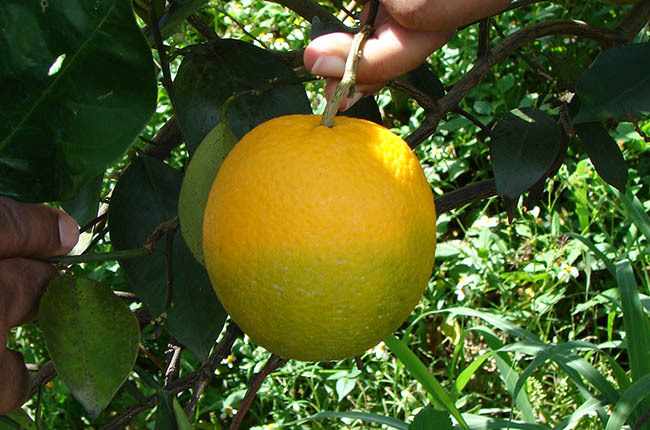
Among current threats identified in the report are citrus greening, which continues to cause production disruptions in orange, grapefruit, and other citrus. Coddling moth, a long-standing pest for apples, pears, walnuts, and other fruit crops, is also highlighted as a key concern.
The list also included necrotic spot virus, which affects lettuce production, along with Palmer amaranth in row crops and several fungal diseases such as corn ear rot and what rust.
The report also notes soybean rust as an example of how rapidly spreading fungal diseases can damage yields and disrupt markets if monitoring and prevention systems fall short.
According to the document, many of the Mean Sixteen lack fully effective preventive or post-infection treatments. Furthermore, with pathogens quickly evolving, resistance to existing controls has become another concern.
“Farmers urgently need sustained support for aflatoxin research and prevention, because these risks threaten our yields, our markets, and the trust consumers place in American agriculture,” adds Annie Dee, Farm Journal Foundation Farmer Ambassador and a row crop farmer from Alabama.
Looming risks and policy focus
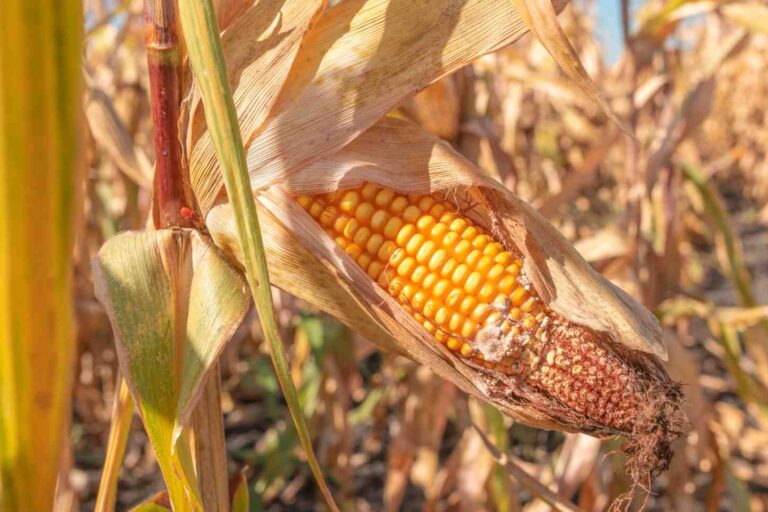
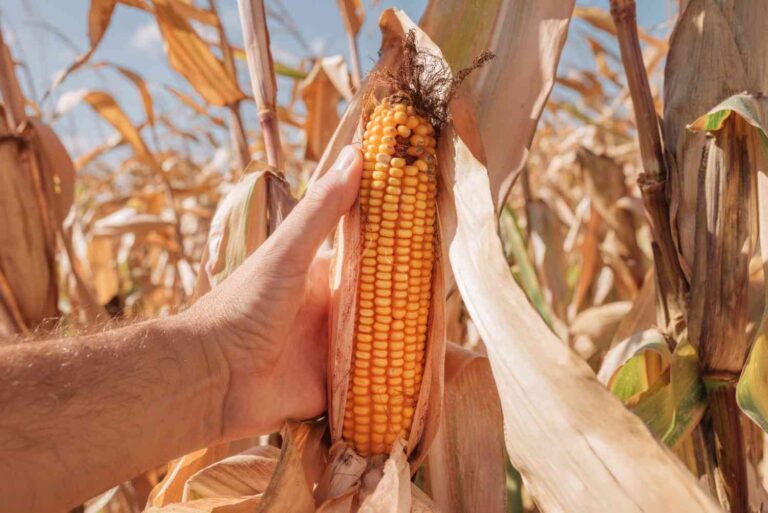
Fungal diseases can also create food safety and marketability risks. Corn ear rot, for example, can lead to mold that produces aflatoxin, which is toxic to humans and livestock and can render grain unmarketable.
The report emphasizes public investment in agricultural research and development as a cornerstone of biosecurity preparedness for the Mean Sixteen. According to the US Department of Agriculture (USDA), agricultural research and development returns $20 in economic benefits for every $1 invested.
Despite this, the report notes that public funding for agricultural research has declined in real dollars over the past 20 years.
Farm Journal Foundation points to recent reductions in international research programs, including the US Innovation Lab System at land-grant universities and CGIAR, as areas of concern.
The Mean Sixteen report highlights public-private partnerships such as the Foundation for Food and Agriculture Research, which returns $1.40 for every $1 it receives in federal funding, as models for rapid response to emerging threats.
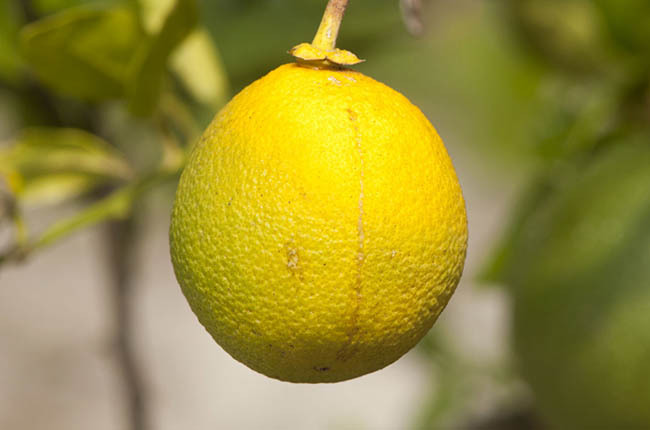
“Pest and disease issues pose significant threats to US and global food security, and by extension, our national security. It’s in America’s best interest to invest in agricultural science, disease monitoring, and prevention now, to address ongoing challenges and stop the next big outbreak before it strikes,” says Katie Lee, Vice President of Government Affairs at Farm Journal Foundation.
*Corn photos by Shutterstock; citrus greening photos courtesy of USDA.
Related articles
Tech traps and gene hacks: Pest control market grows as regulations tighten
Corteva announces nature-inspired pest control solutions to help farmers effectively protect yield
APHIS expands HLB quarantine footprint in Southern California









Subscribe to our newsletter