







Camera traps in Costa Rica reveal a wealth of fauna in banana industry-protected forests



Written and reported by Macarena Bravo | Read this story in Spanish


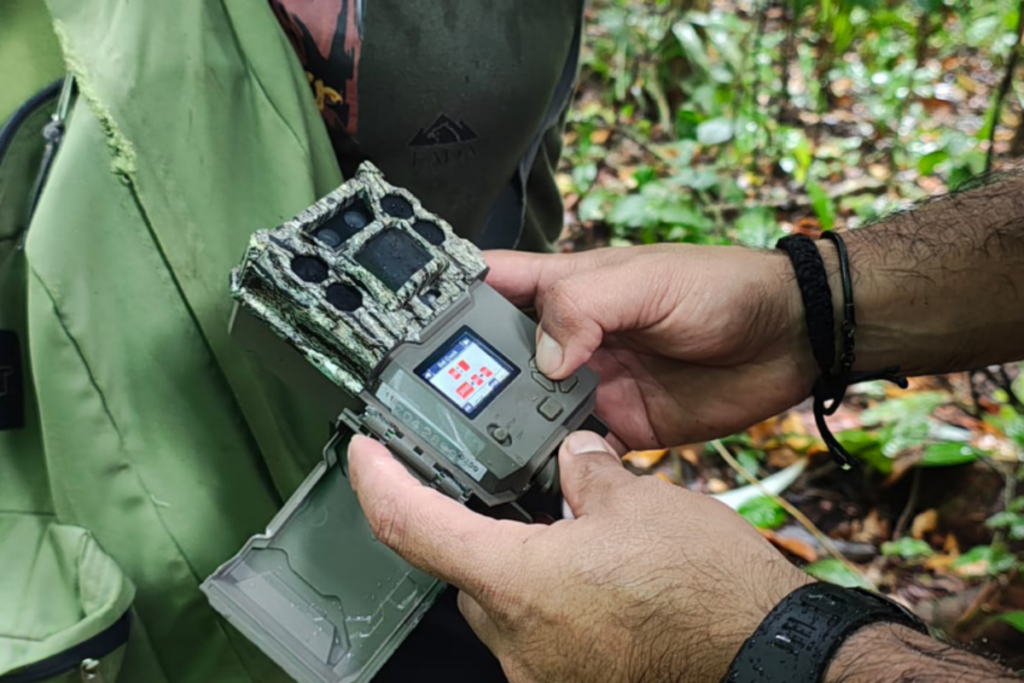
Two camera traps were installed to film the wildlife living in the forests of an area protected by Costa Rica’s banana industry in the Southern Caribbean region.
Led by the National Forest Financing Fund (Fonafifo), the initiative seeks to generate technical information about the general fauna present in the area.
“Our commitment goes beyond exporting bananas,” said Corbana’s Sustainability Coordinator, Jhamna Magsig. “For decades, we have worked for sustainable production that protects productive areas and, at the same time, safeguards a forest where a great biodiversity lives. Participating in this project allows us to make this effort visible and know, with technical evidence, the value of the ecosystems we protect.”
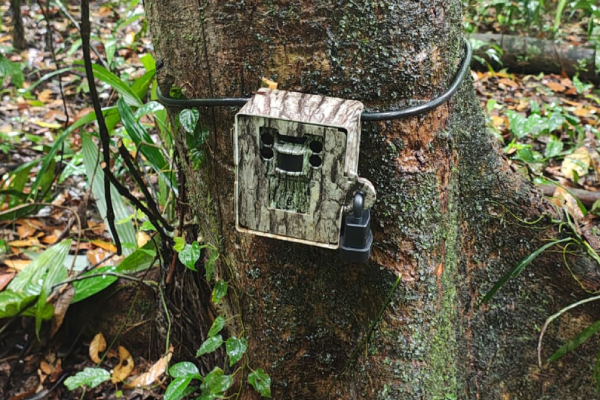
The camera traps will remain active for six months and are part of a national effort to install camera traps in different fields across the country, with 18 of them located in the Talamanca region.
Camera traps for sustainability
The authorities expect to use the collected information to strengthen decision-making on the conservation and sustainable management of Southern Caribbean ecosystems.
In a statement, the National Banana Corporation (Corbana) said the camera traps are part of the Bosque Vivo (Living Forest) project.
By using cameras as a scientific tool, researchers aim to establish a baseline of the fauna in areas incorporated into Costa Rica’s Payment for Environmental Services Program (PPSA). The plan financially rewards the owners and managers who protect the forests on their land and provide services to maintain the ecosystem, such as mitigating greenhouse gas emissions and protecting multi-purpose water resources.
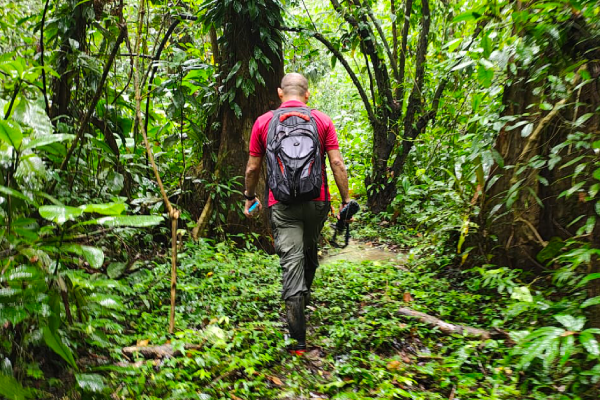
This scheme has allowed Costa Rica to consolidate a network of privately protected areas that complements the State's sustainability efforts.
Agroforestales de Sixaola is the Corbana subsidiary in charge of the South Caribbean land where the devices were installed. The agroforestry company manages nearly 3,000 acres, of which about a third is over-100-year-old primary forest, and nearly 1,500 acres are regenerated secondary forest.
Studies conducted in 2012 by The Nature Conservancy (TNC) had already documented the farm's significant ecological value by identifying numerous species, including plants (164), ferns (158), mammals (51), birds (141), reptiles (25), and amphibians (20).
* Images courtesy of Corbana.
Related stories
Fresh Del Monte recognized with 2025 Sustainability Award
True sustainability comes from functional, high-performing fresh produce packaging, report says




Subscribe to our newsletter