








Berry early days: Indian blueberry sector tests its roots




While the Indian blueberry industry remains in an early-emerging stage, the next five years will determine whether it can develop into a reliable commercial category. However, Jamie Petchell, co-owner and director at Global Plant Genetics (GPG), tells FreshFruitPortal.com the South Asian country has much to offer.


“There is real momentum: pioneering growers, growing curiosity from retailers, and an increasing appetite for premium fresh fruit among urban consumers,” Petchell says.
He explains the industry must now prove it can move beyond pilot projects and deliver consistent quality and volumes.
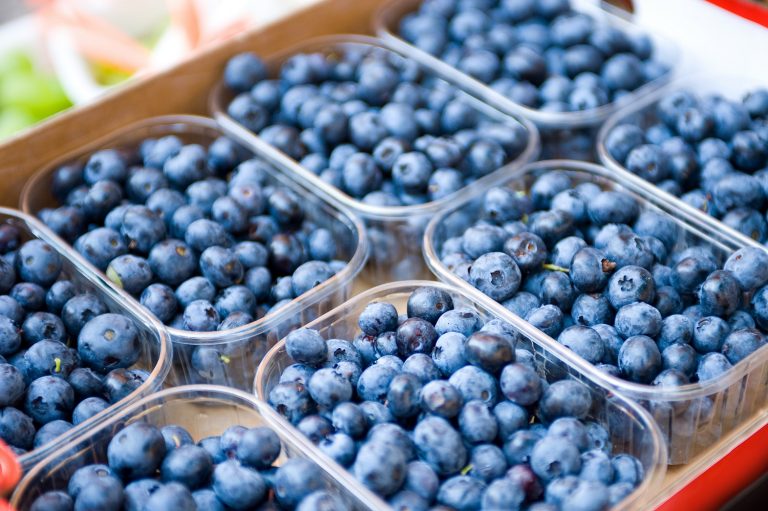
“The Indian blueberry category is still validating its fundamentals at scale—from genetics and production systems to cold chain execution and consumer education,” he adds.
According to Petchell, several milestones will determine whether India transitions from “emerging” to “established.” These include developing region-specific production models suited to India’s diverse climates, achieving multi-season consistency at commercial scale, and creating a reliable domestic blueberry season that builds consumer trust and repeat purchasing.
He also emphasizes the need for rapid professionalization, including standardized handling, stronger cold chains, and data-driven agronomy.
“This is a critical stage,” Petchell said. “Many emerging markets stall here.”
Indian blueberry industry walks the road to consistency
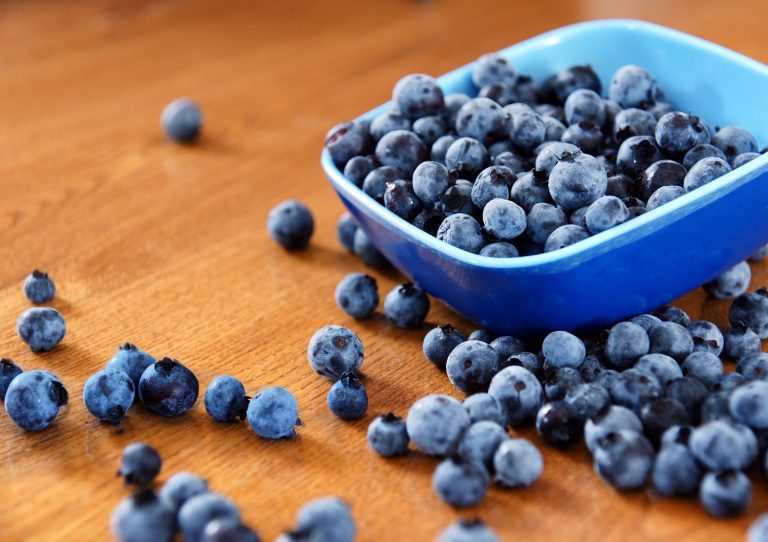
Petchell explains that genetics will play a decisive role in determining success for the Indian blueberry sector, given its warm, humid conditions and mild winters.
“India’s climate presents both opportunity and complexity,” he says. “Many regions are warm, winters are mild, and conditions can be humid and disease-prone. That makes genetics absolutely central to success.”
Low-chill adaptation, heat tolerance, firmness, shelf-life, and consistent flavor, the executive says, are critical traits.
“In early-stage markets, you can sometimes get away with low volumes—but you cannot get away with disappointing fruit,” Petchell stresses.
GPG sees particular relevance in varieties developed by the University of Georgia breeding program.
“These varieties combine low and zero chill performance with commercial-quality fruit traits, especially around firmness and postharvest resilience,” Petchell says. “In markets where the cold chain is still developing, like the Indian blueberry sector, shelf-life is not just a commercial advantage—it is a structural necessity.”
Genetics must also align with production systems common in India, including container and substrate-based cultivation under protected environments, he warns.
Addressing roadblocks
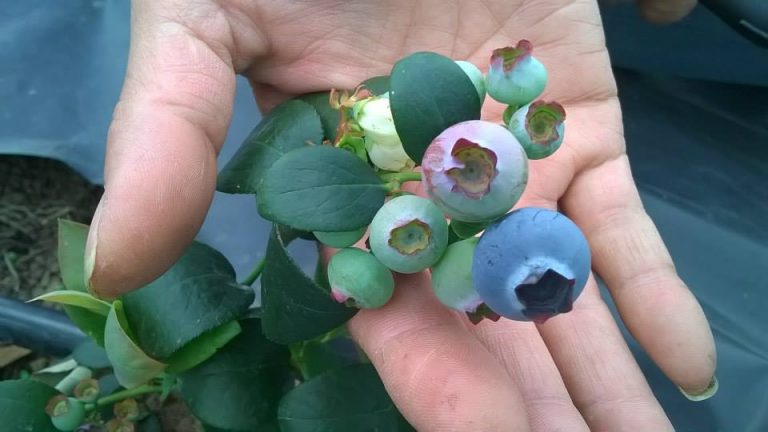
Petchell points to cold-chain execution as the most immediate constraint on the Indian blueberry industry's growth, particularly in its impact on the consumer experience.
“Cold chain, production systems, and market education all matter,” he says. “But right now, the biggest bottleneck could be described as the consistency of consumer experience, and that is most often compromised by weaknesses in the cold chain and handling practices.”
He warns that poor first impressions can stall demand in premium categories.
“You can grow excellent blueberries, but if they arrive warm, soft, or with short shelf-life, consumers are unlikely repurchase—especially at premium price points,” he states.
As a near-term solution, Petchell recommends focusing on select, well-executed supply routes.
“The industry should prioritize building ‘islands of excellence’—a few routes where cold chain, handling, and retail execution are consistently right from farm to shelf,” he says.
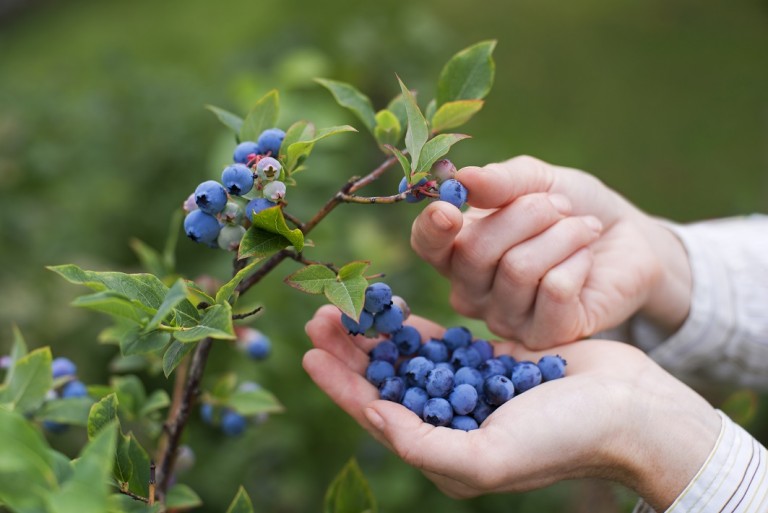
Petchell highlighted FD Berries as an example of a disciplined, systems-driven local partner helping shape the category.
“They are not treating blueberries as a quick diversification crop,” he says. “Instead, they are investing in the fundamentals: the right genetics, the right agronomy, and the right route to market.”
He stresses that strong local partners are essential in emerging markets due to their understanding of regional conditions, labor dynamics, and retail behavior.
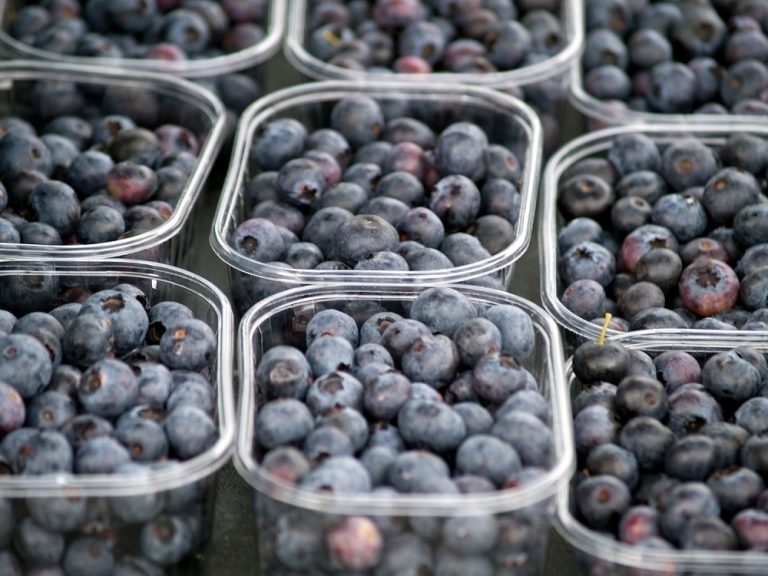
Indian blueberry consumption remains low, but Petchell says that presents a significant opportunity. Drawing on lessons from other emerging markets, Petchell emphasizes that flavor and eating quality must come before volume.
“The biggest lesson from other emerging blueberry markets is simple: you build demand through consistent eating quality, not through volume,” he says. “One bad experience can undo a lot of good marketing.”
If the Indian blueberry industry aligns genetics, production systems, cold chain execution, and consumer experience, Petchell believes progress could accelerate quickly.
“The opportunity is enormous—but only if the foundations are built correctly,” he adds.
*All images are referential.
Related stories
Fall Creek to present new high-chill blueberry variety at Fruit Logistica 2026
Global blueberry industry 2025 recap: The year of the "Blue Renaissance"
The blueberry global market boom: consumption, production, and leading markets










Subscribe to our newsletter