


This AI-powered data-collecting robodog is both a grower’s coworker and an autonomous agronomist
 Add Fresh Fruit Portal to Google
Farming robots have become more common over the past few years. The worldwide market for these devices is expected to grow to over $100 billion in eight years, driven by fewer farmers, rising labor costs, greater government support for machine use, and the explosive growth of artificial intelligence.
Fully automated farms are still in the future, but these robots can significantly improve efficiency by performing a variety of repetitive field tasks that have traditionally been performed manually.
Kedar Iyer, CEO of the agricultural robotics company Frutas AI, says the hurdles agriculture currently faces call for automated alternatives. However, the industry has historically been one of the last to adopt technology.
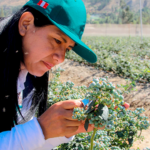
As a result, he adds, vital roles such as agronomists have become stagnant and less appealing to younger generations, who see these jobs as grueling and unglamorous. This perception has entrenched even more, especially as labor shortages deepen worldwide.
Iyer states that Frutas AI is among several companies developing machines to automate industry tasks such as field data collection. The company’s debut creation is a robot dog that roams the fields to gather health crop data, a job once performed by agronomists who trekked row by row on foot.
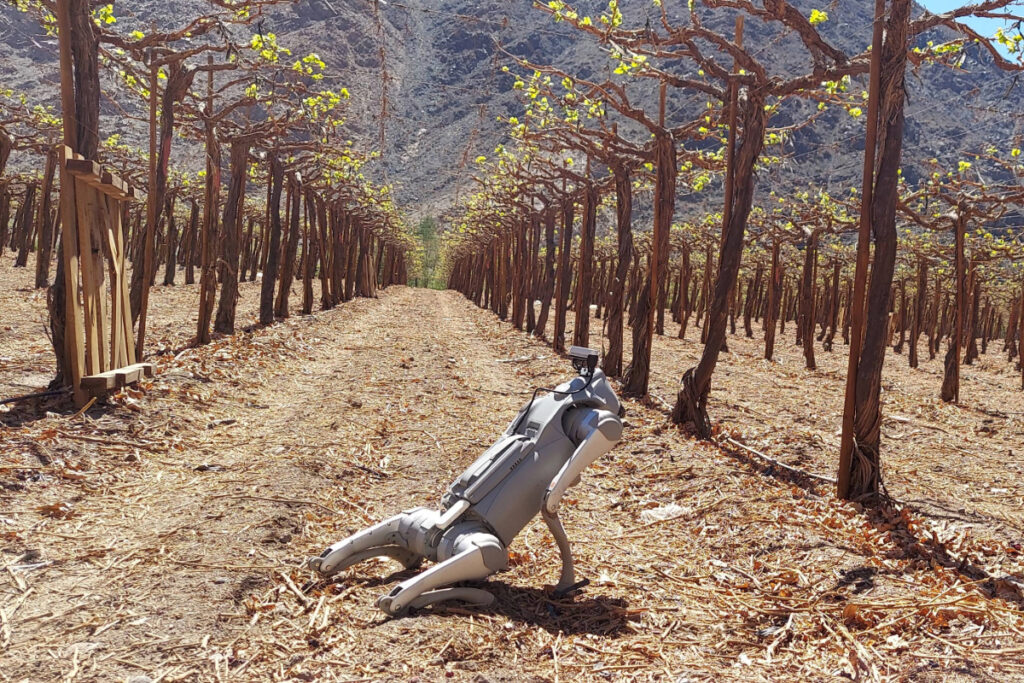
A crop-specialized agriculture robodog
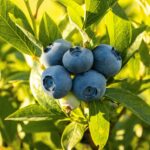
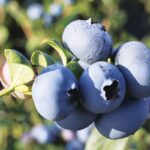
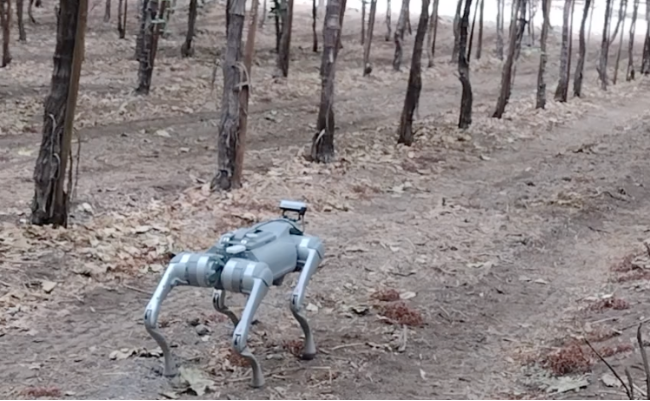
Frutas AI’s Agronomist Robot Dog autonomously scouts farms, takes inventory, and spot-checks crops under five feet tall, such as blueberries. The device can walk through orchard rows unsupervised, monitoring each plant in real time.
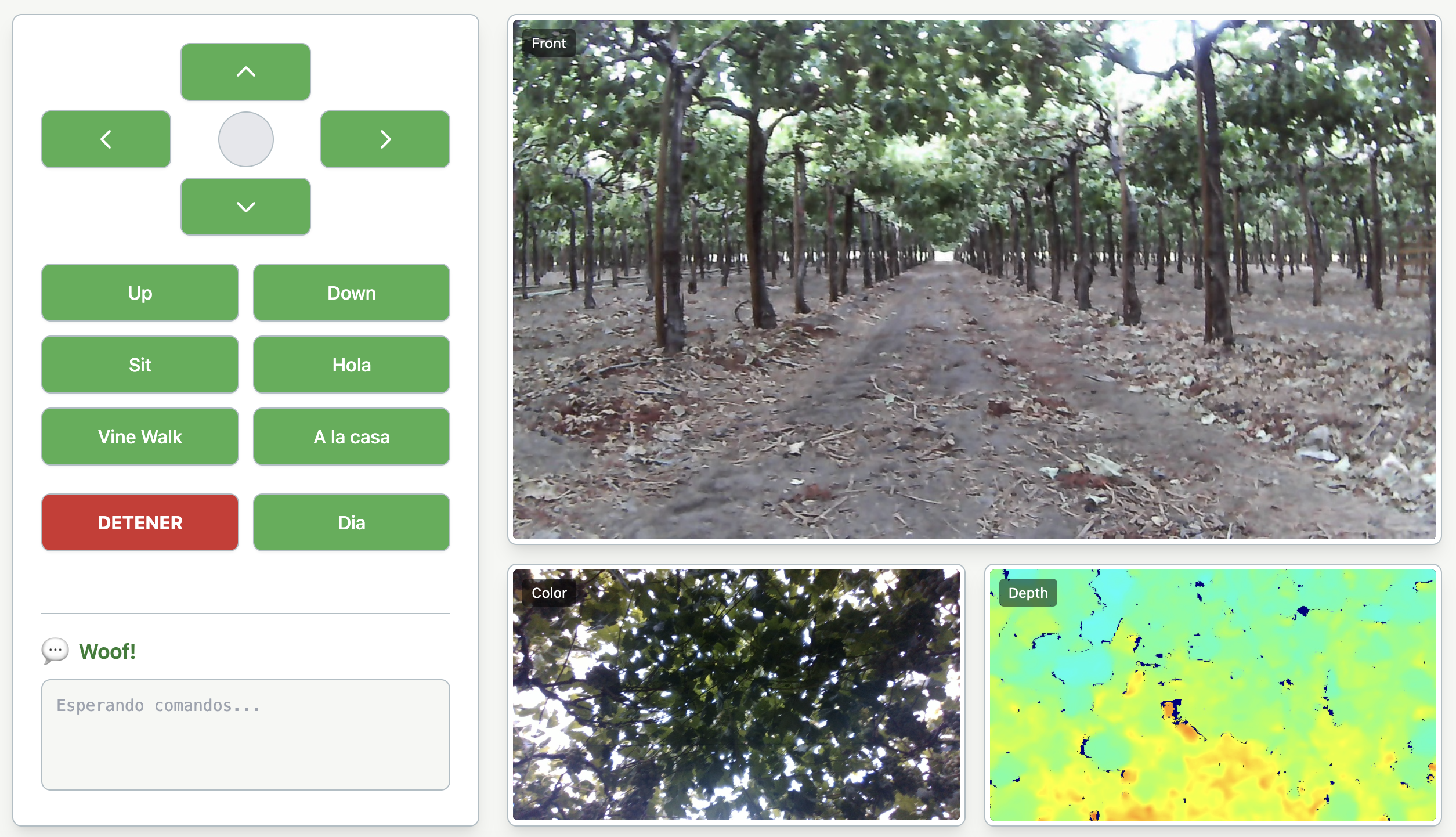
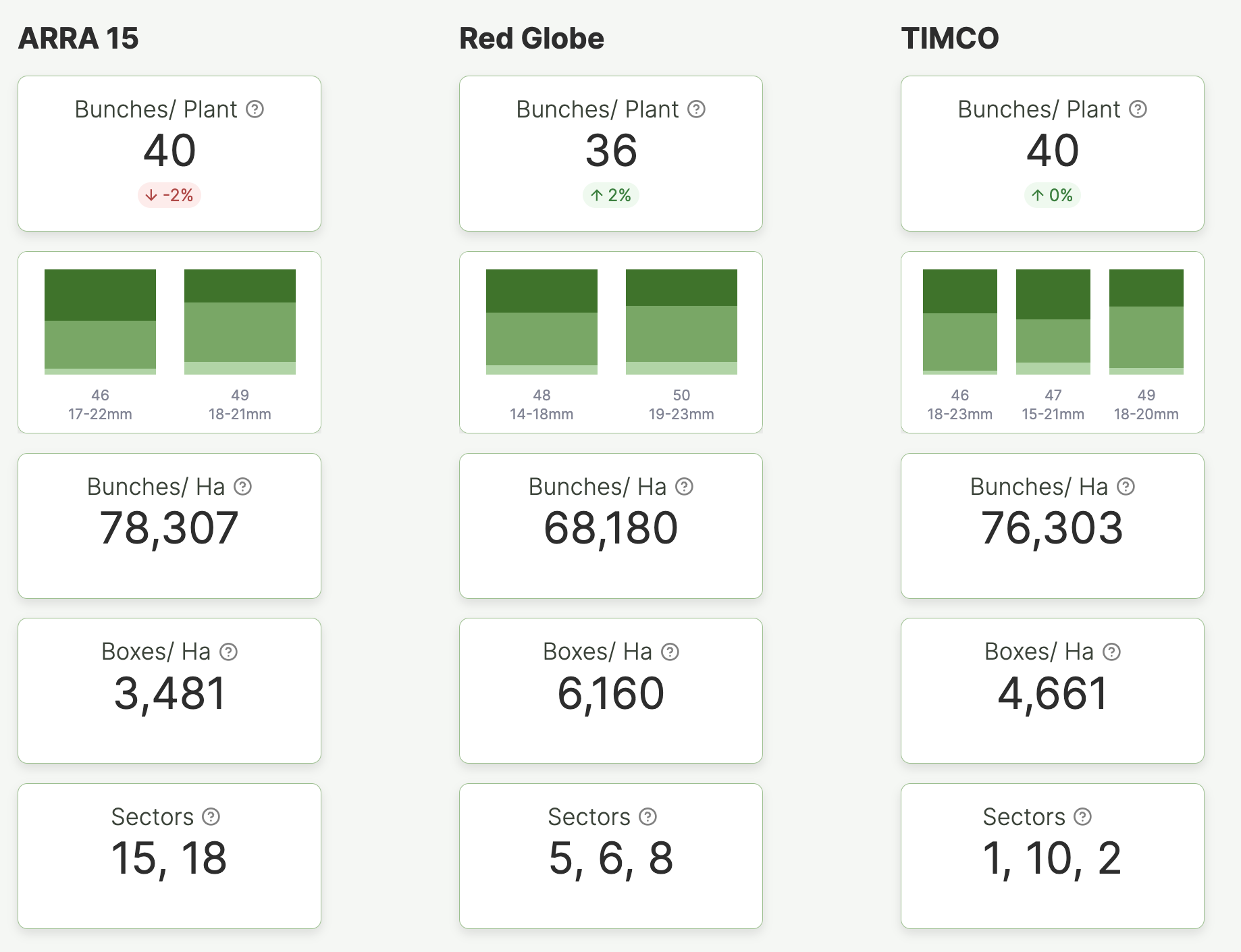
The robot provides data on fruit yield and size, identifies rows requiring human attention, learns crop patterns, and autonomously returns to its base to recharge. Growers can let the robodog operate independently within designated areas or control it through a mobile app, allowing them to monitor progress and adjust its path as necessary.
And if you don’t trust it to get the job done without supervision, it can also work as a helper, following the farm supervisor while spot-checking rows.
“The robot moves using a bio-inspired gait—think of it as a mountain goat with a brain,” Iyer explained. “It calculates the stability of every step in milliseconds, which is why it can handle uneven ground or muddy terrain.”
The robodog also uses computer vision models for detection, which the executive explains can collect 3D information of every plant. “It processes data of hundreds of plants precisely in minutes, which would take a human hours to walk and manually count,” he said.
Iyer states that a ground-monitoring robot offers growers an effective solution to optimize operations and address sampling gaps.
“Today, an agronomist might scout one percent of a farm and estimate the rest, while the robot dog covers 100 percent,” he notes. “For the grower, this results in lower nutrient costs, reduced waste, and improved data management, leading to lower risk and greater predictability.”
The robot was first tested on Chilean table grape farms in September 2025. According to Iyer, the trials resulted in a 95 percent reduction in adjustment errors, improved consistency in fruit sizing, and showed 90 percent accuracy in data on fruit uniformity, size, and color.
The robot was even embraced as a farm companion within a month of operations, Iyer said, becoming a 'buddy' to farm staff and a popular member of the team.
A work in paw-gress
Yet, the robot dog is not without its quirks. It handles gentle slopes and minor obstacles, but needs clear paths free of large pipes or fallen branches to avoid stumbling and keep up its pace.
Another hurdle is connectivity, as many rural, mountainous farms have dead zones. However, Frutas AI’s agriculture robodog keeps working while offline, though it only uploads data when connected to the charging dock, which happens at least every four hours.
Still, Iyer sees these as minor trade-offs for a robot that grows more independent with each season, adapting its skills to the unique demands of every farm.
“An agronomist’s insights are the most valuable asset on a farm, yet their daily reality is still defined by 'endless looking, walking, counting, and remembering,” Iyer said. “We believe the job of an agronomist is ripe for transformation.”
Related stories: