US-India trade deal: Tariffs slashed on Indian exports, new access for US apples and nuts
 Add Fresh Fruit Portal to Google
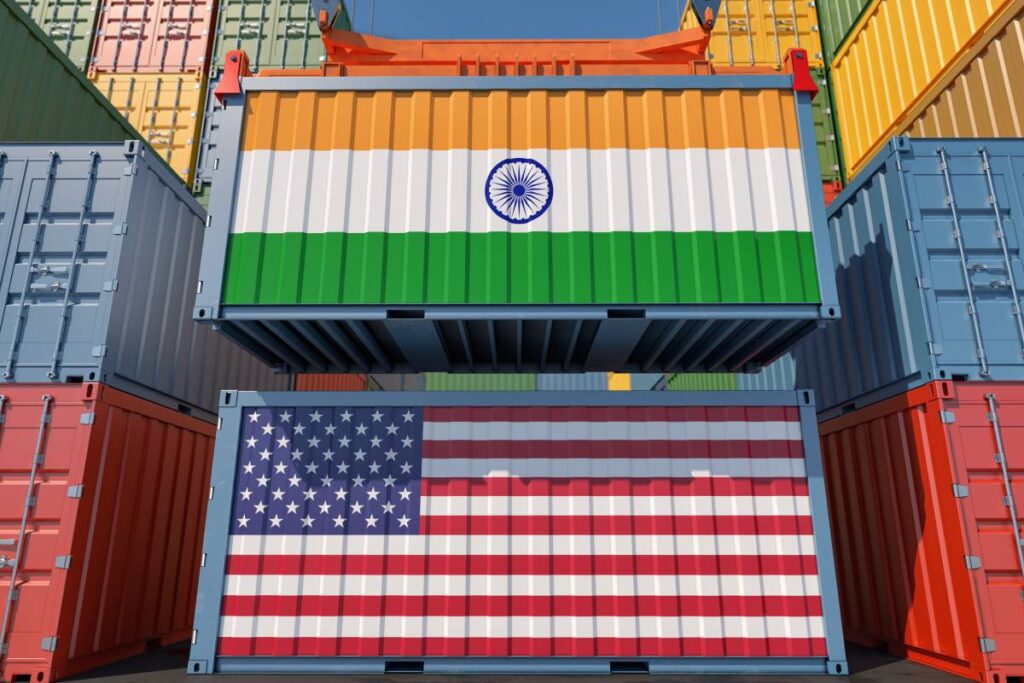
In a move marking a significant de-escalation of trade tensions, the US and India have come up with a framework for an Interim Agreement on a Reciprocal Trade Deal.
The cornerstone of the deal is the dramatic reduction of effective US tariffs on Indian exports from 50 percent to 18 percent. Levies on the South Asian country’s products stood at 25 percent, with an additional 25 percent imposed by the Trump Administration as punishment for Indian purchases of Russian oil. The US president lifted the retaliatory tariff on Friday, February 6, by signing an executive order.
In exchange, as part of the potential trade deal, India has agreed to open its historically well-protected markets to various American industrial and agricultural goods, though it kept several fresh produce categories off-limits, including strawberries, cherries, and citrus.
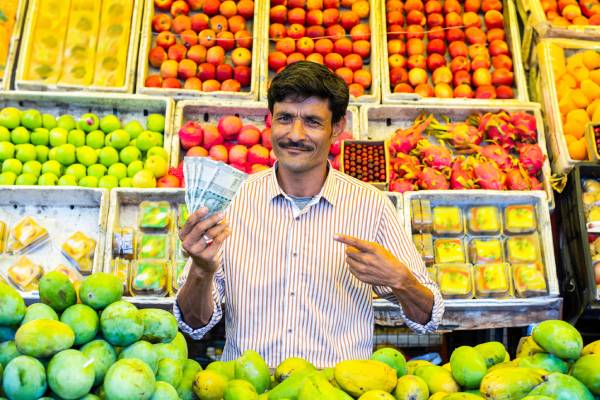
Both governments have signaled that this interim framework is a "living document" that will be expanded over the coming months, with the ultimate goal of achieving a full-scale bilateral US-India trade deal that minimizes trade deficits and strengthens the strategic partnership between Washington and New Delhi.
Pending outstanding issues include digital trade, intellectual property, and labor standards.
Fresh produce and agricultural trade dynamics
For American producers, the trade deal agreement provides a major breakthrough in the Indian market, which has long been shielded by high import duties and protectionist barriers.
Under the new trade deal framework, India will significantly reduce tariffs on US apples, which had previously faced retaliatory duties. The category will be able to enter the Asian country under quotas and at Minimal Import Prices, aimed at protecting local producers in the Himalayan region from dumping, reports Indian news outlet ANInews.
The nut industry is also a major winner, as the deal outlines a path for reduced tariffs on US almonds, walnuts, and pecans, providing Indian consumers with more affordable access to these staples. Lowered tariffs will most definitely increase competition in India, but these categories are already being imported in large numbers to bridge the gap between domestic production and ever-growing local demand.
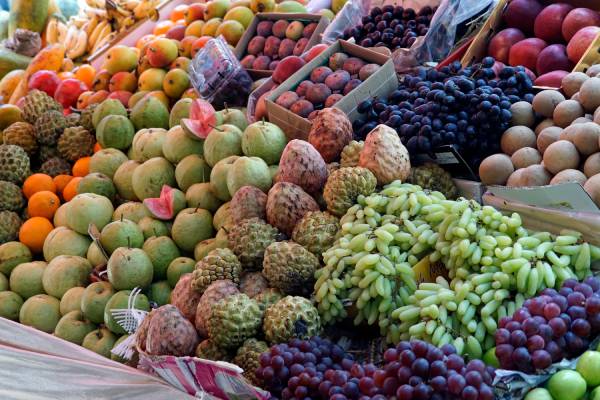
In a reciprocal move, the US has entirely lifted tariffs on Indian tropical fruits, including mangoes, bananas, guavas, pineapples, papayas, and avocados, granting the country zero-duty access to the American $30 trillion market.
Additionally, the White House is easing sanitary and phytosanitary barriers that have historically hindered the Indian fresh fruit imports into the US. Under the new conditions, Indian exporters will benefit from faster clearance protocols and lower entry barriers for premium varieties of these tropical categories.
By balancing the interests of US orchards in the Pacific Northwest with the needs of tropical fruit growers in India’s southern and western states, the framework establishes a "seasonal synergy."
This agricultural alignment is viewed by experts as the most tangible benefit for both nations, ensuring a year-round supply of high-quality produce.
India celebrates trade deal with the US
In an official statement, Indian Commerce and Industry Minister Piyush Goyal labeled the deal as “fair, equitable, and balanced,” adding that his government aims to take India-US bilateral trade to around $450 billion in the near future.

“I can state categorically and without any hesitation that India’s farmers, [micro, small, and medium enterprises], artisans, and craftsmen will not suffer any loss,” said the minister, as reported by the Times of India. “On the contrary, India will benefit from great access to the US market."
In the White House’s Fact Sheet on the announcement, the US government notes the purchase of over $500 billion in US energy and other products by India as part of the deal. However, in an interview with ANI News, Indian foreign affairs expert Robinder Sachdev explained that the framework doesn’t entail such a commitment on India’s part and clarified that this investment in the next five years is part of negotiations that precede President Trump and date back to the Obama Administration.
*All images are referential.
Related stories
US-Guatemala trade deal eliminates tariffs and boosts access for American agricultural goods
Are you entitled to a tariff refund? Four questions about the Supreme Court case, answered.
White House removes all tariffs on dozens of Brazilian agricultural imports