Chile's fruit fly war: 50 percent of outbreaks in the season are eradicated
 Add Fresh Fruit Portal to Google
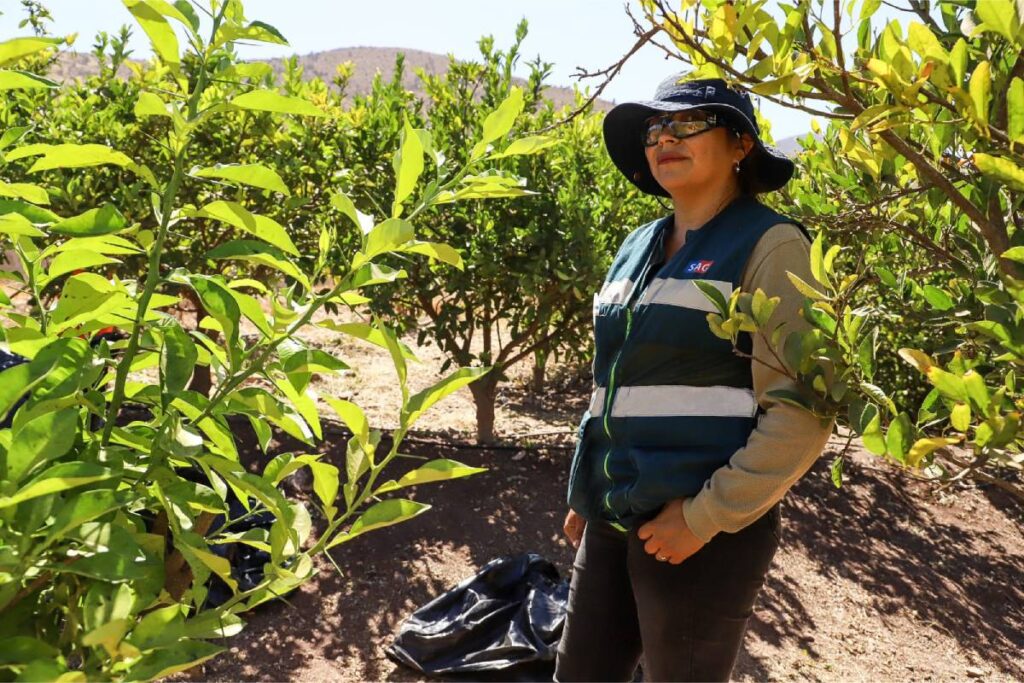
In Ovalle, in the Coquimbo Region, the Chilean Minister of Agriculture, Ignacia Fernández, joined the country’s phytosanitary protection agency, Agricultural and Livestock Service (SAG), to assess the National Control and Eradication Plan for the fruit fly. The authorities underscored the concrete progress made by SAG inspectors after only a few months of its implementation.
The authorities visited a property where the fruit fly was detected and observed the surveillance systems in place, fruit removal efforts, and on-site disinfection work.
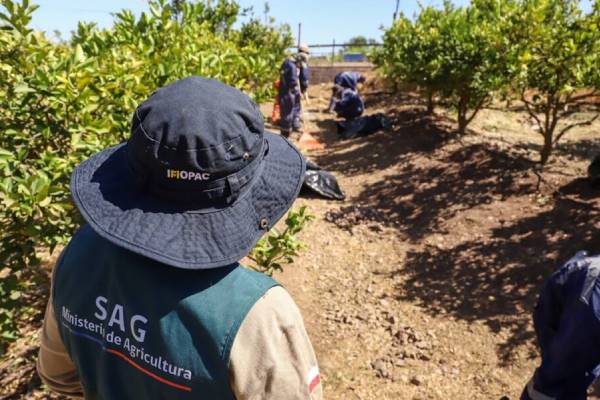
The region is strategically important to the country's agricultural and export production, hosting thousands of acres of table grape vineyards and citrus groves that produce fruit destined for the United States.
Fruit fly outbreaks managed this season
Since the fruit fly eradication plan was announced in October 2025, 66 outbreaks have been managed nationwide. To date, only 33 remain active and under control, representing a 50 percent efficiency rate in a short period.
In 2025, the SAG allocated nearly $3.5 million exclusively to active fruit fly outbreak control and eradication.

"Behind these figures is very rigorous work on the ground: fruit removal, cleaning, disinfection, and intensive campaigns that have a significant cost, but are essential to protect our sanitary status," explained the Secretary of State.
Institutional strengthening and public-private coordination
Chile’s National Control and Eradication Plan includes a comprehensive strengthening of SAG's capabilities against the fruit fly, incorporating technology, sanitary intelligence, and inter-institutional coordination.
The framework updated the SAG’s alliance with local police, and the agency formally joined the Northern Strategic Coordinating Unit (UCE). Additionally, the Department of Phyto- and Zoosanitary Intelligence and Natural Resources was created.
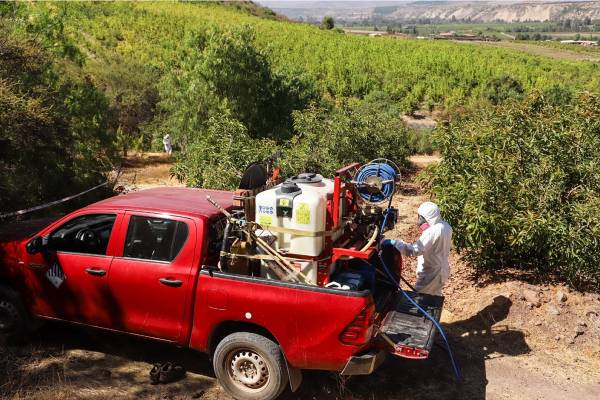
The anti-fruit fly plan also reinforced border controls and coordination with Customs and police, and boosted risk communication campaigns, especially in the northern part of the country, where there’s a higher incidence of produce smuggling. Meanwhile, the bill that sanctions the illegal entry of pests is advancing in Congress.
Currently, nearly 500 additional officials are deployed in active campaigns across the country, monitoring the entire territory, releasing sterile insects in critical areas, and implementing internal quarantine measures to prevent the pest's spread.
*All images courtesy of the Ministry of Agriculture of Chile.
Related stories
Fruit flies are evolving, all because of climate change
How a mysterious ecoterrorism attack helped reshape California's medfly response