








Goji berry market to hit $3.6B by 2033
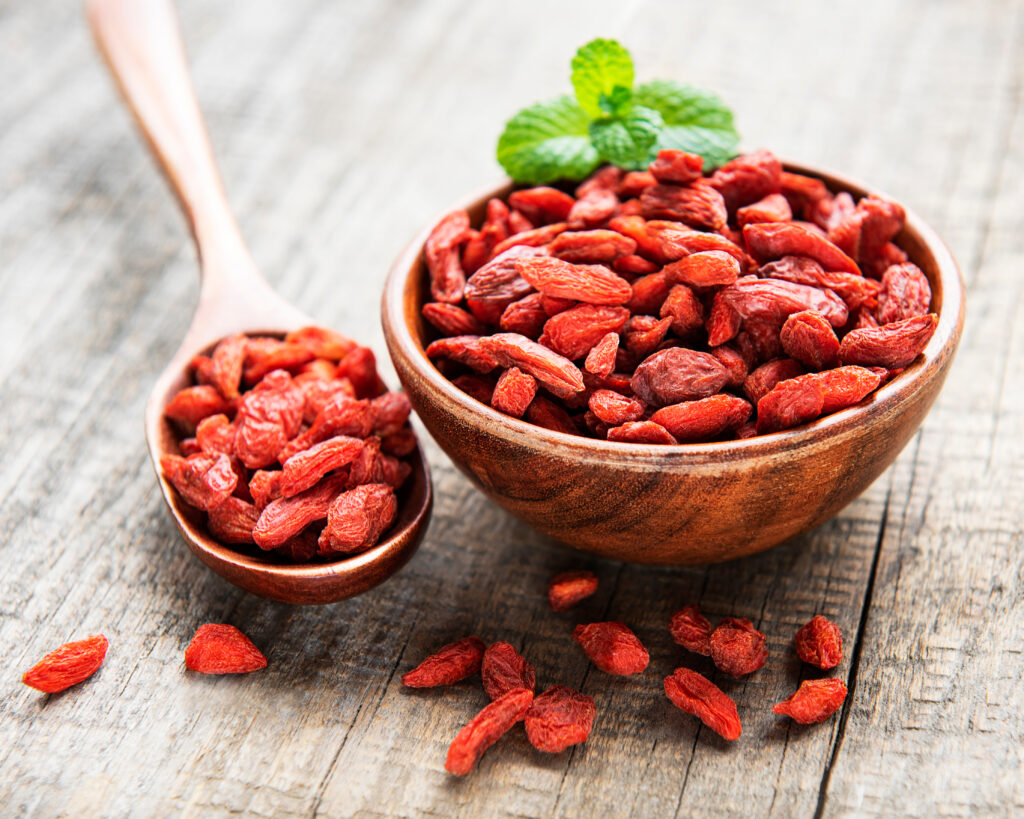



The global goji berry market is poised for substantial growth, as health-conscious shoppers continue their search for the perfect superfood. A recent report by Research Intelo estimates the fruit’s value to double from $1.8 billion in 2024 to $3.6 billion by 2033.


The firm projects the market will expand at a compound annual growth rate of eight percent, driven primarily by growing consumer awareness of the fruit’s nutritional attributes and increasing demand for functional foods.
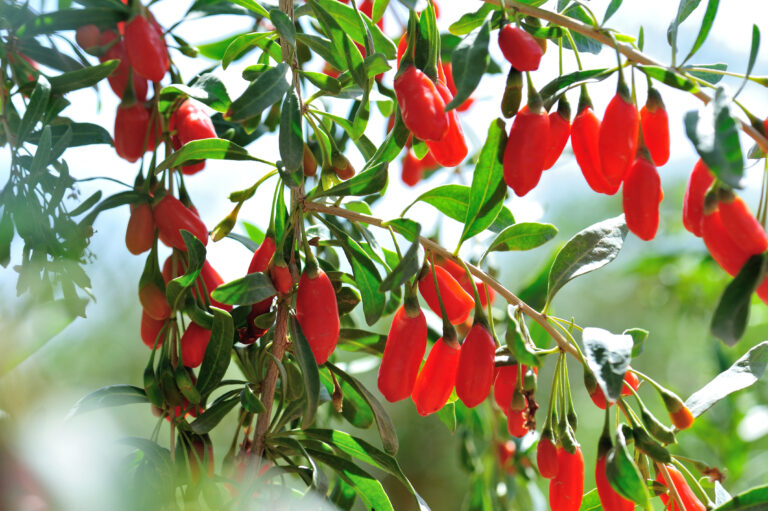
Native to China, goji berries are packed with fiber, iron, and vitamins A and C. Also known as wolfberries, their high antioxidant content can help fight age-related eye diseases, according to a study by the Department of Ophthalmology and Vision Sciences at the University of California, Davis.
Another investigation, published in the journal Drug Design, Development and Therapy, shows that goji berries protect the retina from the ganglion cells responsible for glaucoma, a condition that can lead to vision loss.
Key growth drivers for the goji berry market
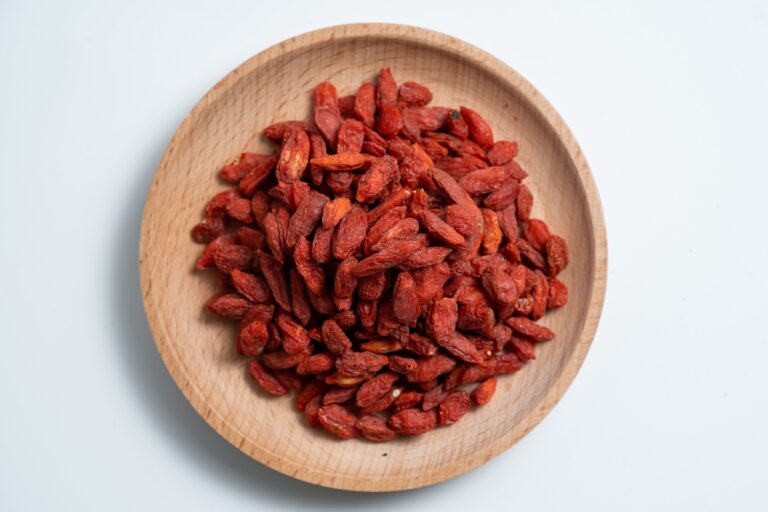
The report identifies demand for natural antioxidants, immune-supporting ingredients, and plant-based dietary solutions as key growth drivers in the goji berry market. Expansion in the functional food and nutraceutical sectors, along with continued interest in organic and clean-label products, also supports market gains.
Increased global trade in dried fruits and superfood ingredients has improved availability in international markets, contributing to steady growth in consumption, according to the report.
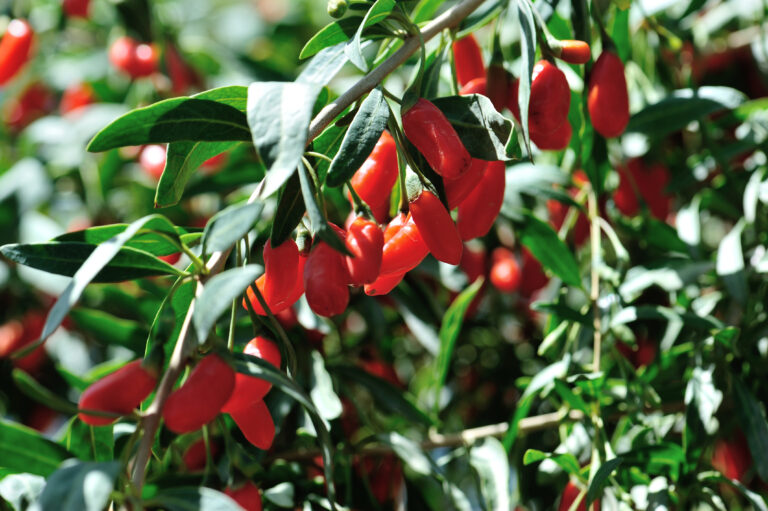
For United States importers and buyers, the projected expansion suggests continued opportunities in both retail and ingredient channels, particularly as product developers incorporate goji berries into snacks, supplements, beverages, and wellness-focused formulations.
Despite strong growth projections, the report notes ongoing challenges related to price volatility, supply chain dependence, and quality standardization.
The document also highlights the potential impact of counterfeit or low-quality products on consumer confidence if not effectively regulated.
However, it points to improvements in organic farming practices, traceability systems, and sustainable sourcing initiatives as mitigating factors over time.
Innovation

Beyond traditional dried fruit sales, the report cites opportunities in vegan supplements, fortified beverages, and herbal blends. It also identifies potential growth in cosmetics and personal care applications, where goji berry extracts are used in anti-aging and skin-care formulations.
Technological advances in goji berry cultivation, drying, and extraction methods are helping maintain nutritional quality and extend shelf life, the report states. Precision agriculture and enhanced traceability systems are also enabling producers to meet international quality standards and improve yields.
Research Intelo projects continued innovation in product formats and expanded application across categories will support long-term growth, positioning goji berries firmly within the broader superfood segment through the next decade.
*All images are referential.
Related stories
Beyond vitamin C: How orange juice positively affects gut microbiota and metabolic health
Grapes are the new superfood, study says
How dark sweet cherries support a healthy gut and a sharper mind









Subscribe to our newsletter