New study links flavonoid intake to happiness in older women

 Add Fresh Fruit Portal to Google
Higher dietary flavonoid intake has long been associated with lower mortality and major chronic disease risks. However, its relationship with psychological well-being (PWB) had remained unclear—until now.
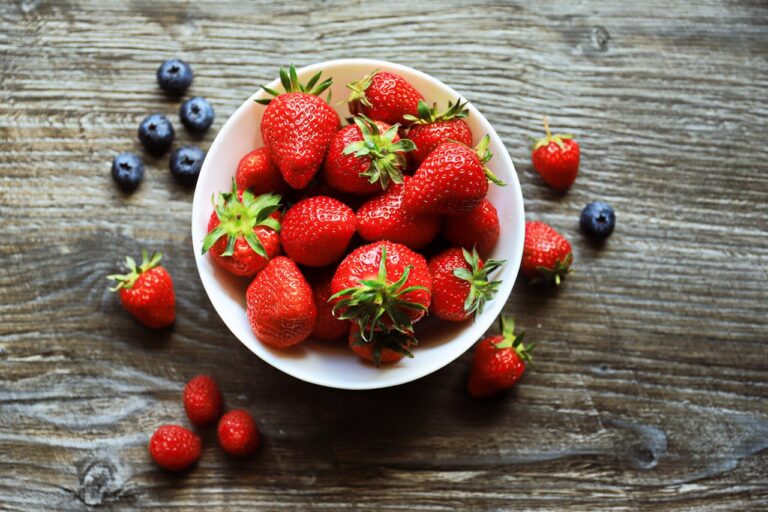
According to a study published in January in the journal Clinical Nutrition, women who eat around three daily servings of flavonoid-rich foods—including blueberries, strawberries, apples, and citrus—show higher long-term levels of happiness.
Researchers from Queen’s University Belfast in Northern Ireland and Harvard University’s T.H. Chan School of Public Health analyzed 18 years of follow-up data from the Nurses’ Health Study, which tracked more than 36,000 women in the US, ages 60 and older.
Established in 1976, the project is one of the largest and longest-running scientific investigations into the risk factors for major chronic diseases in women. It has evolved into a series of prospective studies involving three generations of participants, totaling over 280,000 individuals in the United States.
A flavonoid-rich, virtuous cycle
With this background, the team examined the relationship between dietary flavonoid intake and two indicators of psychological well-being: happiness and optimism.
“Higher flavonoid scores were associated with a three to six percent higher likelihood of sustained happiness and optimism. Specific flavonoid-rich foods were associated with a three to 16 percent greater likelihood of sustained PWB across the two facets,” the study notes. “Similarly, total flavonoid and subclass intakes were associated with a two to 18 percent greater likelihood of sustained PWB”.
Researchers also identified a bidirectional relationship between flavonoid-rich foods and psychological well-being.“What we found most compelling is the potential for a ‘virtuous cycle’ between diet and mental outlook,” said lead researcher Aedin Cassidy, of Queen’s University Belfast. “Not only do flavonoid-rich foods appear to bolster long-term happiness and optimism, but women who feel better are also more likely to maintain those healthy habits. It suggests that simple, everyday dietary choices can be a powerful tool for supporting psychological resilience as we age.”
The study population primarily included non-Hispanic, white, highly educated female health professionals. The authors noted that future research should replicate the findings in more diverse populations.
*Images are referential.
Related articles
Pecan power: New review confirms nut's impact on heart health and diet qualitys
How dark sweet cherries support a healthy gut and a sharper mind