Meet the newest “superberry”: Aronia market to reach $773M by 2033
 Add Fresh Fruit Portal to Google
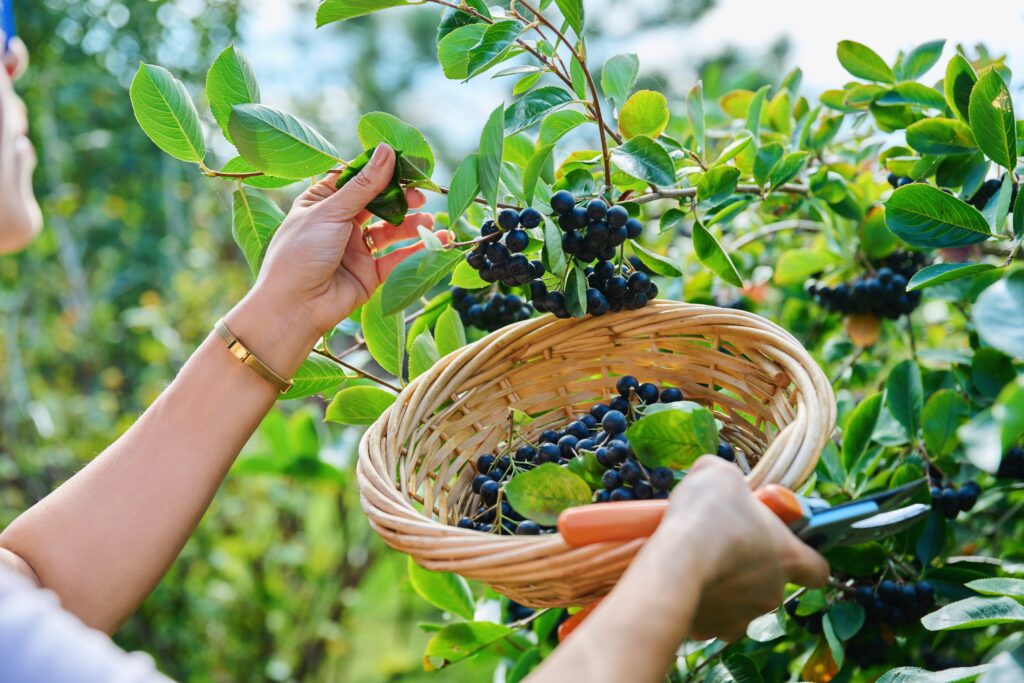
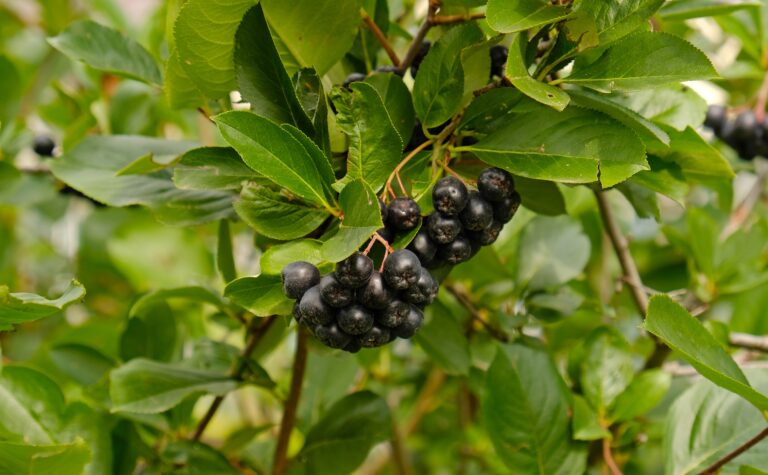
Aronia berries, commonly known as chokeberries, are a small, dark purple fruit native to North America. However, their cultivation is mainly concentrated in Eastern Europe, particularly in Poland, Belarus, Russia, and Ukraine.
They contain high levels of anthocyanin and flavonoids—five to ten times more than blueberries and cranberries, according to the Aronia Berry Services of Northeast Iowa.
Despite its relatively new “superberry” reputation, an analysis by Growth Market Reports projects the aronia sector to reach about $773 million by 2033. This is driven by growing demand for functional foods, natural ingredients, and nutraceutical products.
The research firm estimates the market reached $410 million in 2024 and will expand at a compound annual growth rate of 7.2 percent from 2025 through 2033.
Manufacturers are incorporating aronias into dietary supplements, beverages, and functional food products due to their wide array of health benefits.
Supply and formulation challenges
Despite the positive outlook, Growth Market warns that the aronia sector faces several hurdles.
Limited consumer awareness in some markets can hinder adoption, the report warns. Additionally, its tart, astringent flavor restricts use in mainstream products without additional additives.

Supply constraints also affect the sector, as production depends on seasonal harvests and cultivation in specific regions. Aronia berries need cold, hardy climates to thrive, and can withstand temperatures down to 31 degrees Fahrenheit.
Production in the United States is mainly concentrated in the Midwest, particularly in Iowa, Missouri, and Oregon.
Processing innovations could expand the berry’s commercial potential. Techniques such as freeze-drying, juice concentration, and encapsulation can help manufacturers preserve the fruit’s nutritional properties while avoiding its famous “mouth-drying” taste and improving shelf life.
Expansion into emerging markets in Asia and Latin America could also support long-term demand as health-conscious consumer segments grow in those regions.