








Fresh Chinese pears face oversupply as Asian and Russian exports grow
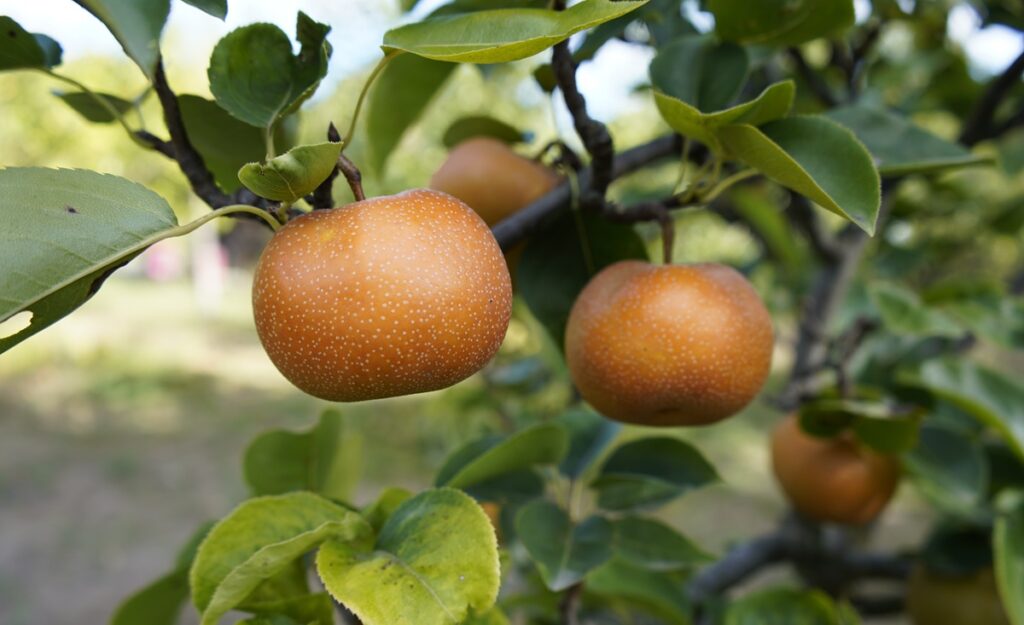



The Chinese pear industry is facing a landscape marked by ample domestic supply, varietal changes, and production challenges, even as the country continues to consolidate its position as the world's main exporter of the fruit.


According to the US Department of Agriculture’s Fresh Deciduous Fruit Annual report, Chinese pear quality has shown significant variations across different producing regions. In Anhui province, for example, improvements in orchard management, pest control, and irrigation systems have allowed for higher fruit quality compared to last year.
However, in northern production regions such as Hebei and Shandong, high temperatures and drought reduced the proportion of large-sized pears. This is compounded by persistent rain during the harvest period in Shaanxi and Shandong, which could negatively affect the fruit's texture and flavor.
Varietal change gains prominence
Meanwhile, producers are betting on new varieties with greater sweetness and more intense skin colors, while traditional varieties are losing ground in the market.
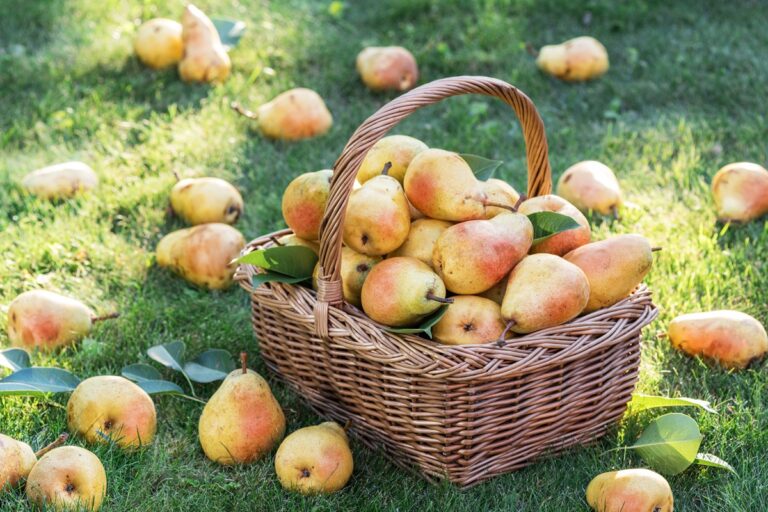
Among the historical varieties that have decreased in popularity are Snow and Huangguan pears. In contrast, the provincial government of Anhui has promoted the planting of higher-quality varieties such as Hu Mi, Hua Tong, Hua Jin, and Wang Xiang Cui, whose cultivated area could increase in the coming years.
Likewise, niche or specialty Chinese pears such as Cuimi, Long Stem, Hong Xiang Su, Barlette, Nanguo, and Qiuyue continue to record good market acceptance.
Costs and labor shortages pressure the industry
Despite the production dynamism, the sector faces significant structural challenges. Oversupply and stagnant domestic consumption have pressured producer profitability.
Similar to the apple industry, rising costs for labor, supplies, and transport are coupled with a general shortage of workers, especially young and qualified ones.
The post-harvest stage also presents difficulties, as the delicate pear skin requires that fruit grading and selection be performed mainly by hand. This process increases operational costs and limits the use of automated sorting technologies.
Consumers seek high-quality Chinese pears
In the domestic market, consumers value Chinese pears for their crisp texture, sweet flavor, and high juice content. Northern China remains the biggest local consumer, accounting for nearly 60 percent of the total.
However, the southern market—especially in provinces like Guangxi, Guangdong, and Sichuan—is experiencing rapid growth, driven by the promotion of local varieties and the advancement of e-commerce.
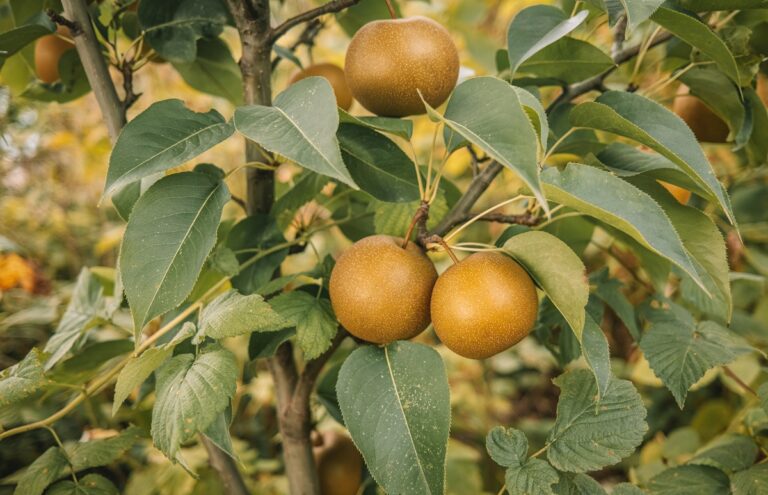
Although the market faces an oversupply, consumers continue to demand higher-quality fruit with better flavor and greater nutritional value, which has favored the growth of segments such as organic Chinese pears.
Fresh consumption still dominates the market with nearly 70 percent participation, but processed products are gaining ground. These include pear juice, canned pears, and other derivatives such as pear paste, pear wine, and dehydrated fruit.
Imports fall, exports continue to grow
Looking ahead to the 2025/26 commercial season (July–June), pear imports in China are expected to continue declining, due to moderate demand for Western varieties. Chinese consumers primarily prefer Asian pears, which are crispier and juicier.
This trend has affected suppliers from both the Northern and Southern hemispheres, whose shipments to the Chinese market have declined. From the Southern Hemisphere, China imports pears mainly from South Africa, Belgium, Chile, the Netherlands, Argentina, New Zealand, and the United States. In recent years, US pears have faced significant challenges in both price competitiveness and varietal differentiation.
The Red Anjou variety mainly appeals to a niche segment of consumers who prefer softer textures, but it faces strong competition from Belgian pears, which account for approximately half of the imported soft-flesh Chinese pears.
In contrast, Chinese exports continue to expand. Packhouses are actively acquiring fruit to ship to key markets, including Vietnam, Thailand, and Indonesia. Other relevant destinations include the Middle East, Central Asia, and Russia. In fact, shipments to the Russian market have increased rapidly in the last two years.
Asian pears are also gaining popularity among Asian communities residing in the European Union.
*All images are for reference only.
Related stories
US pear market set for major production rebound in 2026
Gen Z and millennials: Key demographics needed to revive pear consumption










Subscribe to our newsletter