








The biological revolution: Global biopesticide market set to reach $12.65 billion by 2031
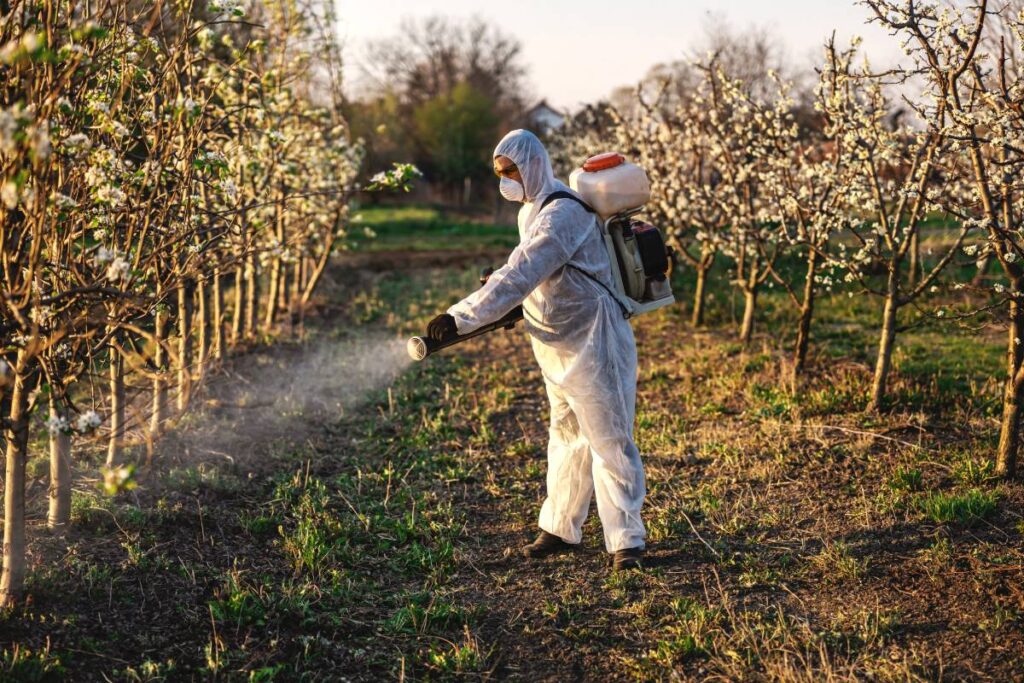



The global agricultural landscape is undergoing a seismic shift as farmers move away from traditional chemical interventions in favor of biological solutions.


According to a comprehensive new industry report from Mordor Intelligence, the global biopesticides market is poised for a decade of transformative growth. Currently valued at $7.46 billion in 2026, the sector is projected to surge to $12.65 billion by 2031, at a steady Compound Annual Growth Rate (CAGR) of 11.15 percent.

The industry is currently dominated by biofungicides, which accounted for a staggering 47.4 percent of the market share in 2025, while bioinsecticides are emerging as the most aggressive growth segment with an anticipated CAGR of 12.3 percent.
According to Mordor Intelligence, growth will be driven by regulatory pressures paving the way for biological alternatives, and a shift in how industrial growers see these compounds. Once linked only to organic production, biopesticides have officially become a tool for large-scale row crop growers, who represent over 84 percent of the total market volume.
Not just green for green’s sake
Perhaps the most potent driver is the tightening of environmental regulations in the European Union and North America, where bans on high-risk synthetic chemicals are forcing growers to adopt biopesticides to protect their yields.
In 2025 alone, says Mordor Intelligence, the withdrawal of various organophosphates and the restriction of neonicotinoids shifted millions of acres toward biological programs. This trend has a global ripple effect, as exporters in Asia and Latin America must now use biopesticides to meet the "zero-residue" requirements of Western retailers.
Likewise, in regions like Asia-Pacific, the effectiveness of traditional pyrethroids is collapsing due to evolving adaptation of widespread pests. In Southeast Asia, the diamondback moth has developed such high resistance that biologicals like Bacillus thuringiensis (Bt) are no longer alternatives, but the only effective tools left.
This trend is rapidly expanding to North America, where fungal strains in wheat are showing reduced sensitivity to triazoles, driving a global shift toward integrating biopesticides into standard Integrated Pest Management rotations.
On a technological level, the industry is benefiting from Artificial Intelligence (AI)-guided microbial discovery. Traditionally, identifying a single effective microbial strain could take a decade.

Today, the market data company explains that AI algorithms can screen thousands of isolates and predict pesticidal metabolites in a fraction of the time. This global trend is attracting massive venture capital and allowing multinational agrochemical giants to acquire biological portfolios as a hedge against the eventual "deregistration" of their synthetic assets.
The US is leading the biopesticide trend
In a surprising shift from previous years, North America has emerged as both the largest and fastest-growing market.
Holding 40 percent of global revenue in 2025, the region is projected to maintain a high 12.5 percent CAGR through 2031. This growth is anchored by the United States, where the EPA has fast-tracked registration for "low-risk" microbes, reducing approval times to just 18 months.
The massive scale of US corn and soy production—now increasingly treated with biological seed treatments for rootworm—provides a revenue base that no other region can currently match.
Meanwhile, Europe remains the ideological center of the market. Driven by the "Farm to Fork" strategy, which targets a 50 percent reduction in chemical pesticides by 2030, the European market is a hub for bioherbicide innovation.
Following the ban of glyphosate in public spaces in France and the restriction of various seed treatments in Germany, the European market is seeing a surge in municipal and horticultural adoption. While regulatory hurdles for new microbials remain stricter than in the US, the sheer force of government policy ensures steady, high-value growth.
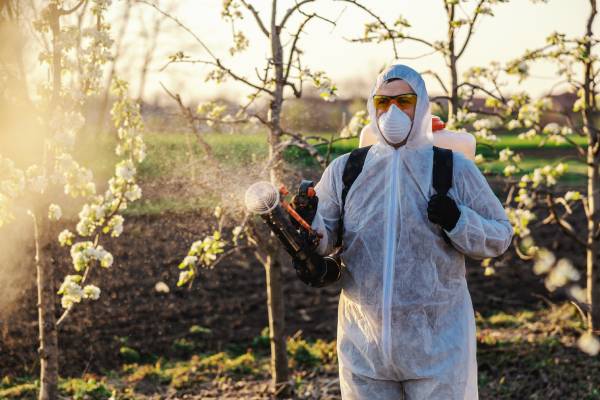
In Brazil and Argentina, the biopesticide market is defined by scale. As two of the world’s largest exporters of soybeans and sugarcane, these nations have integrated biopesticides into massive aerial application programs. Brazil’s unique "ABC Plus" credit lines provide low-interest loans to farmers adopting biological inputs, making South America a global leader in the adoption of Trichoderma-based seed treatments to combat soybean rust.
In the Asia-Pacific market, countries such as India and China are aggressively expanding organic farmland, with the former aiming to convert one million hectares to natural farming by 2026. As smallholder farmers in this region struggle with pest resistance in cotton and vegetables, the demand for affordable, locally produced biopesticides is expected to keep the region at the forefront of volume growth through 2031.
As the industry approaches the turn of the decade, Mordor Intelligence data suggests that the "alternative" status of biopesticides is a thing of the past. By 2031, they will be the cornerstone of global crop protection.
Related stories
How to reduce reliance on pesticides
Scientists develop eco-friendly pesticide alternative using citron juice











Subscribe to our newsletter