


“The best is yet to come”: Optimism is driving South Africa's apple and pear industry
 Add Fresh Fruit Portal to Google
Despite a challenging international landscape, South Africa’s apple and pear industry continues to position itself as one of the most promising globally, says Calla du Toit, director of procurement at Tru-Cape Fruit Marketing and president of Hortgro Pome.
The executive discussed how the sector is entering a new phase marked by innovation, varietal development, collaboration, and the rise of a new generation of growers on the agriculture podcast Lucentlands.
“I firmly believe that the best is yet to come,” said du Toit, noting that while there are issues to be resolved, the foundation of the apple and pear industry is solid and the opportunities are significant.
A disciplined and competitive industry
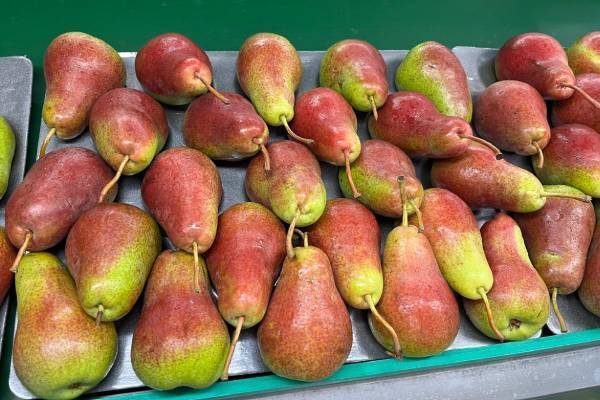
South Africa has cemented its reputation as a reliable supplier of apples and pears in international markets, supported by highly disciplined production systems and long-term relationships with global retailers. Compliance with demanding exporting standards has been key to strengthening its competitiveness.
As du Toit explained, precision in the logistics chain—where every hour counts once the fruit is packed—has driven professionalism in the sector.
This evolution has also fostered greater collaboration between growers and exporters. Today, there is increased information sharing and strategic partnerships that help improve the sector’s position, vis-à-vis major international buyers.
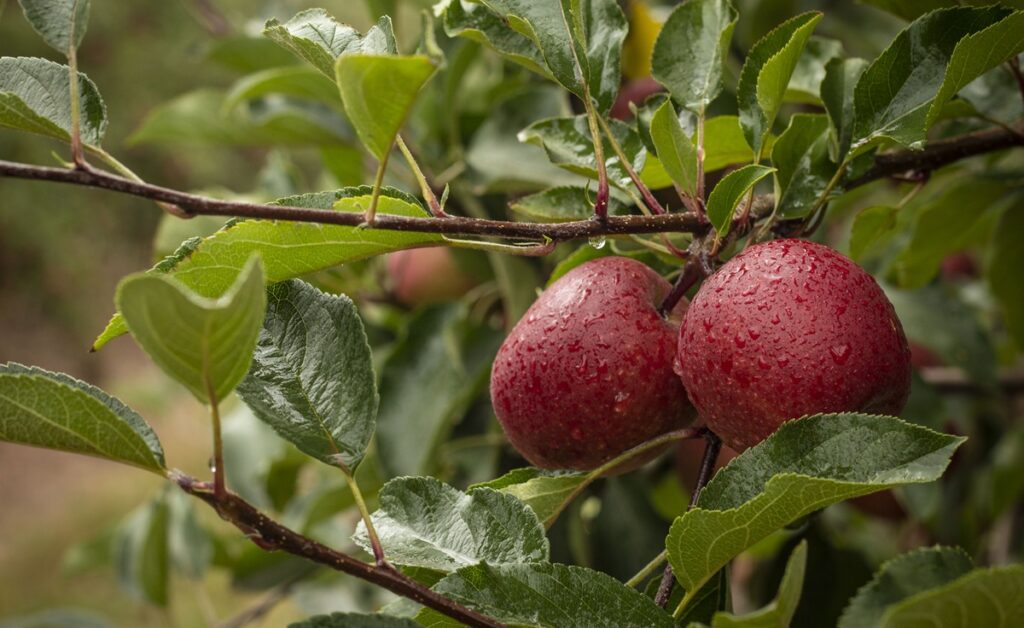
Likewise, technological advances have been key to production efficiency. New rootstocks, high-density systems, and mesh covers have enabled higher yields. According to du Toit, some orchards have gone from producing between 40 and 50 tons per hectare (approximately 2.4 acres) to exceeding 100 tons per hectare while using even less water.
Market diversification and logistical challenges
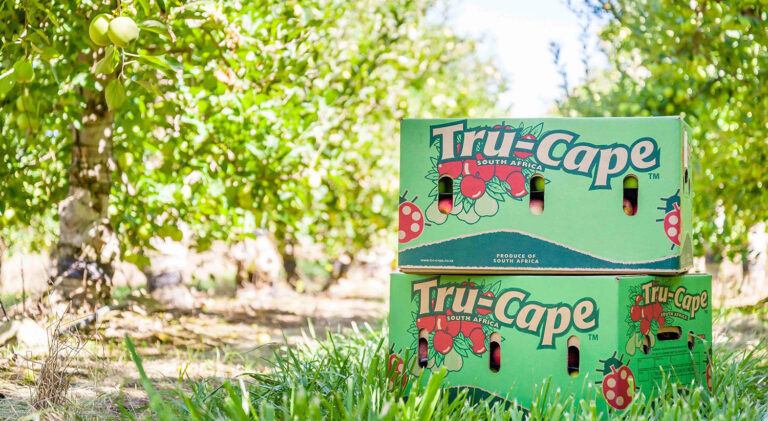
While Europe and the United Kingdom were historically the main destinations for apples and pears, South Africa now exports to more than 100 countries, including markets in Asia, the Middle East, and Africa.
India, Vietnam, Thailand, and China stand out for their high growth potential, while Africa is establishing itself as a significant market, with growing demand for both traditional varieties and premium options.
Despite strong international demand, port efficiency remains a hurdle for the industry. Challenges at the Port of Cape Town have forced the rerouting of shipments to other terminals, such as Durban or Port Elizabeth, increasing costs for producers.
Nevertheless, the executive expressed optimism regarding potential improvements, emphasizing that infrastructure development will be key to sustaining the apple and pear industry's growth and the well-being of rural communities.
“We have enormous potential. Our diversity strengthens us and allows us to adapt to change,” concluded du Toit.
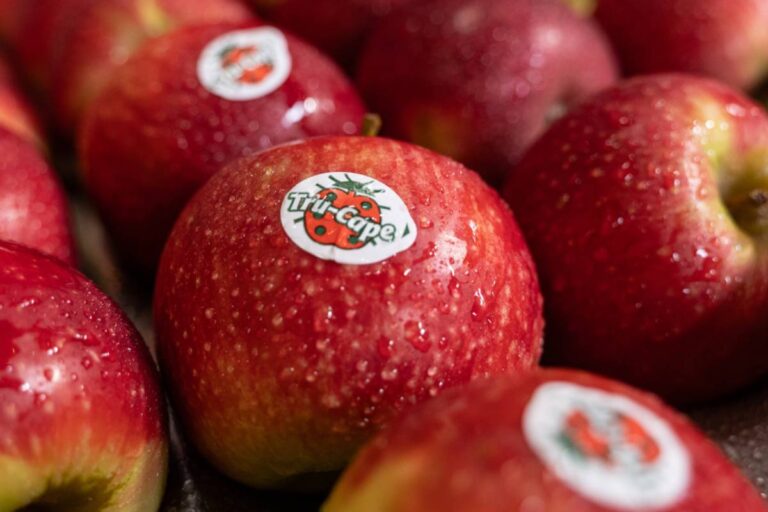
*All images courtesy of Tru-Cape.
Related stories
South African table grape exports surpass 67.8 million cartons, up four percent year-over-year
'The future looks bright for South Africa's apple and pear industry': a look at the 2025 season
Hailstorms cause major setbacks for South African apple and pear industry