The Republic of Georgia emerges as a five-month global blueberry supplier

 Add Fresh Fruit Portal to Google
This story was originally published on March 30, 2026, on the International Blueberry Organization’s website.
Over the past decade, the Republic of Georgia has rapidly emerged as one of the most dynamic and promising new origins in the global blueberry industry.
What began as a niche agricultural activity has evolved into a strategically important, export-driven sector, supported by strong investment, favorable natural conditions, and growing international demand.
Today, Georgian blueberries cover over 7,500 acres of modern orchards, primarily concentrated along the Black Sea coast in Samegrelo, Guria, Adjara, and Imereti. These areas offer a unique combination of mild winters, high humidity, and reliable water resources, creating ideal conditions for early blueberry production.
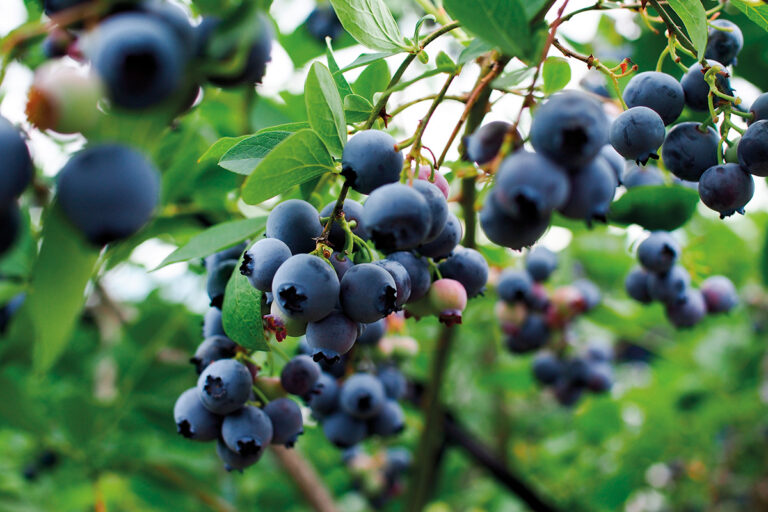
As a result, the Republic of Georgia benefits from a valuable harvest window from mid-May to mid-July, allowing producers to enter international markets ahead of many competitors and capture premium early-season prices.
The market expansion of Georgian blueberries
These favorable conditions have helped Georgian blueberries establish a presence in key export markets, including the European Union, the Middle East, Commonwealth Independent States, and, more recently, India.
At the same time, the Georgian blueberry industry is actively expanding its global reach, with ongoing efforts to finalize import protocols with China and to open new destinations such as Israel.
The sector remains relatively young, but this is also one of its main strengths.
A significant share of orchards has not yet reached full production, meaning that the industry’s most substantial growth is still ahead. In 2026, production is expected to exceed 10,000 tons, marking an important milestone in the Republic of Georgia’s development as an export origin.

At the same time, the sector is undergoing rapid professionalization. Growers are increasingly adopting modern irrigation and fertigation systems, investing in advanced sorting and packing infrastructure, and implementing international standards such as GlobalG.A.P.
Meanwhile, producers are focusing on advanced genetics and premium cultivars, including club varieties from leading international nurseries such as Fall Creek and the Sekoya platform. This transition is strengthening fruit quality, consistency, and competitiveness in premium markets.
Georgian blueberries’ growing pains
Despite its strong growth, the Georgian blueberry industry faces several challenges to ensuring long-term sustainability and competitiveness.
A major one is the wide variability in technical knowledge among growers. While some large-scale farms operate to international standards, many small and medium-sized producers are still developing expertise in areas such as pruning, nutrition, pest management, and postharvest handling. These are all factors that directly impact yield and fruit quality.
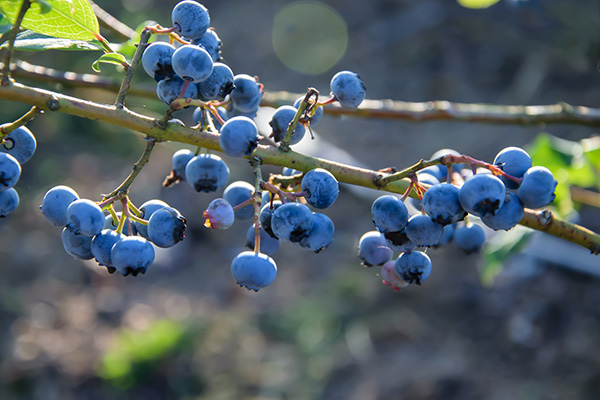
Market access and price volatility also remain critical concerns. As global blueberry supply continues to expand, competition is intensifying, requiring Georgian growers to further strengthen quality, consistency, and market positioning.
Overall expansion—the next frontier
Looking ahead, the Republic of Georgia is preparing for its next stage of development: extending its production season.
While current production is concentrated in the western coastal regions, there is significant potential to expand into eastern areas of the country, where higher elevations and more continental climates are well-suited for later-maturing, high-chill varieties.
By combining early production from the west with later harvests from eastern regions, the Republic of Georgia aims to develop a staggered production system extending from mid-May through September. The long-term vision is to position the industry as a reliable four-to-five month supplier of fresh Georgian blueberries, capable of supporting continuous supply programs for international markets.
The Georgia Blueberry Growers Association is playing a key role in this transition, supporting research and development in variety selection, regional adaptation, and best agricultural practices.
As the global blueberry market becomes increasingly competitive, success will depend not only on volume but on quality, consistency, and strategic positioning.
The Georgian blueberry industry is clearly moving in this direction, transitioning from rapid expansion toward a more structured, market-oriented model focused on premium segments.

With a unique early-harvest window, increasing production, expanding market access, and strong adoption of advanced genetics, the country is positioning itself as a reliable and forward-looking partner in the global blueberry industry.
The ambition to extend the season, diversify markets, and exceed 10,000 tons of production reflects not only projections but the sector’s momentum and long-term vision.
The Republic of Georgia is no longer simply entering the global blueberry market—it is steadily building its place within it as a competitive and increasingly trusted origin.
Related stories