







Saudi Arabia’s growing fresh fruit market is ripe with opportunities
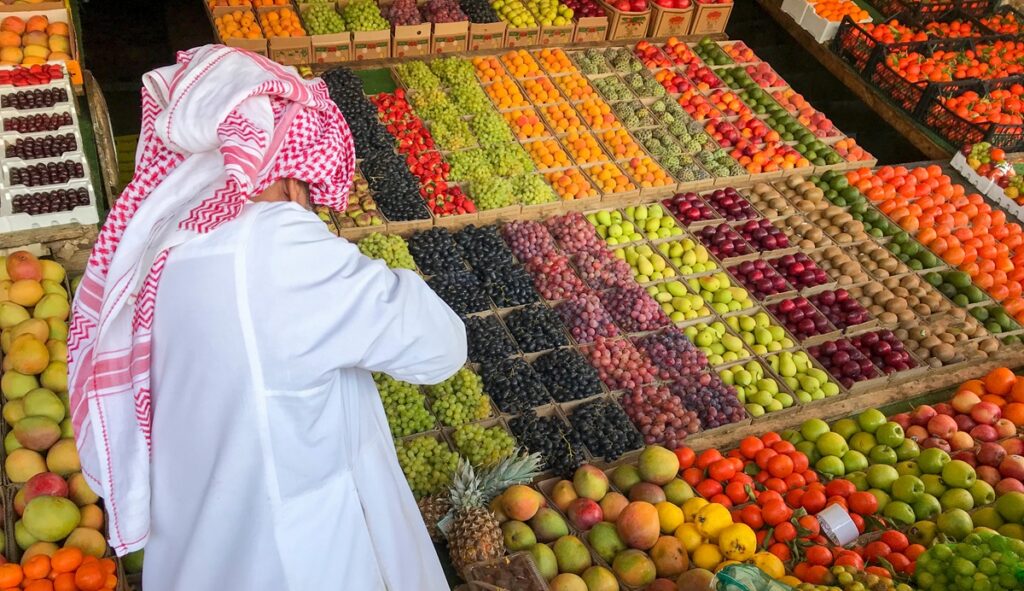



An attractive market for international exporters is emerging in the Middle East. Saudi Arabia—the largest country on the Arabian Peninsula—currently imports more than 70 percent of its fresh fruit. This could create significant opportunities for global exporters as demand rises in a market of more than 35 million consumers, according to a ProChile report.


The Chilean Ministry of Foreign Affairs’ marketing body identifies Saudi Arabia as a fast-growing import market, driven by population growth, rising incomes, a shift toward healthier diets, and government investment in food security under its Vision 2030 strategy.
High dependence on imports
Saudi Arabia’s arid climate and water scarcity limit domestic fruit production. This reliance opens the door for exporters that can provide consistent volumes, quality, and certifications, the report says.
Buyers in the market prioritize attributes such as freshness and traceability, as well as certifications such as GlobalG.A.P. and ISO 22000, according to ProChile.
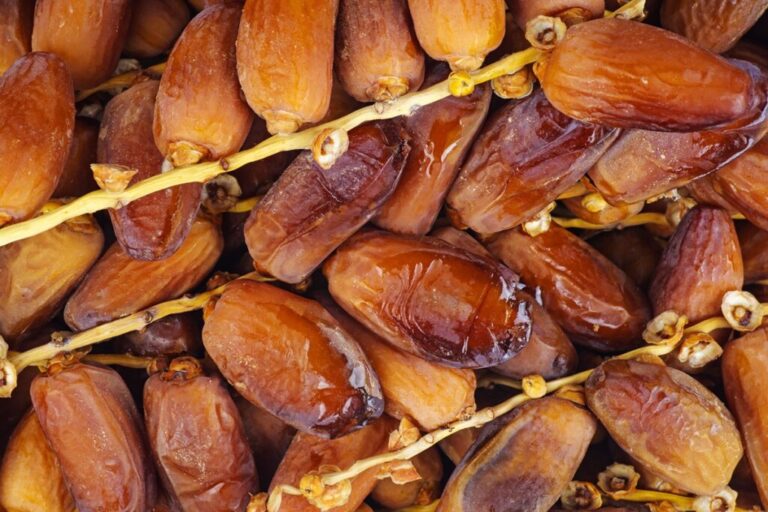
Domestic production focuses on crops suited to desert conditions, including dates, figs, pomegranates, and some citrus. Saudi Arabia ranks among the world’s top three date producers, with output exceeding 1.5 million metric tons annually, and its market continues to expand exports to Asia and Europe.
At the same time, greenhouse production has expanded into crops such as grapes and strawberries. Companies, including Nadec, Al-Watania Agriculture, and Pure Harvest Smart Farms, are investing in controlled-environment agriculture.
Despite these gains, local production doesn’t meet demand for key imported categories such as berries, apples, pears, cherries, and tropical fruit, maintaining strong import volumes.
Trade flows and market access
In 2024, the leading suppliers to Saudi Arabia included Egypt, the United States, Ecuador, South Africa, India, Vietnam, Italy, Türkiye, and Chile. Citrus, grapes, apples, bananas, and tropical fruit were among the key commodities.
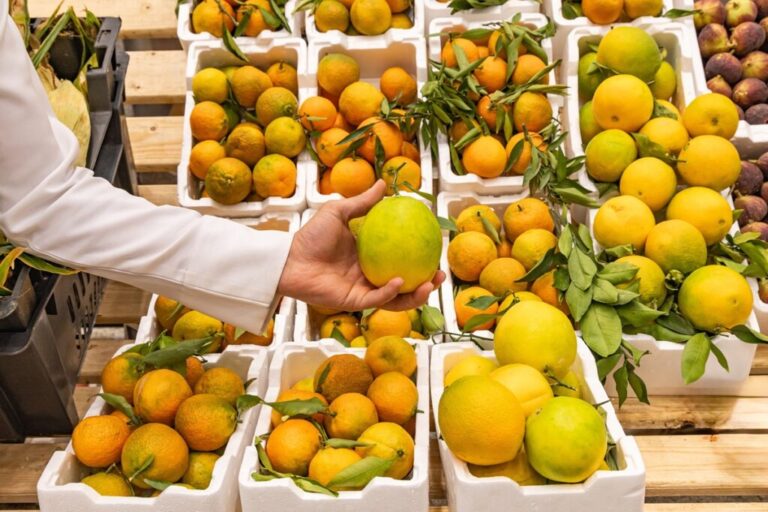
Saudi importers favor suppliers that ensure continuity, comply with documentation requirements, and offer fast response times and after-sales support. Many exporters maintain local representatives or agents to meet these expectations.
Additionally, the expansion of modern retail channels, particularly high-end supermarkets, continues to shape purchasing patterns and create entry points for international suppliers, the report states.
At the same time, consumers are becoming more informed, showing increased interest in product origin, quality, and health attributes.
The report adds that Latin American suppliers, in particular, can leverage off-season production and diverse supply to serve the market year-round.
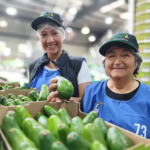
*All images are referential.
Related stories
Innovation and exports drive expansion in Saudi Arabian date industry
Natural Delights reports sales boost after nationwide media blitz
Oasis Date debuts as world’s first regenerative organic certified date farm










Subscribe to our newsletter