








Swapping snacks for almonds improves overall diet, new research suggests




Replacing solid snacks with small amounts of almonds can lead to healthier diets, especially for children and teenagers, according to a 2025 study.


Researchers from the Aix-Marseille Université in France and the University of Washington set out to assess the nutritional impact of replacing popular processed snack foods with 30 or 50 grams of almonds in the diets of children ages 4 through 19 and American adults.

"Our research found swapping sugary and/or salty snacks such as cookies, cakes, candy and chips for nutrient-rich almonds has great potential for increasing essential nutrients and lowering saturated fat, added sugars and sodium," says Adam Drewnowski, Director of the Center for Public Health Nutrition at the University of Washington.
The study showed that the switch resulted in diets higher in protein, fiber, unsaturated fats, and magnesium, and lower in saturated fat, added sugars, and sodium, increasing overall diet quality, even without any other dietary changes.
Almonds make for better snacks
The study, funded by the Almond Board of California, used data from the National Health and Nutrition Examination Survey collected between 2017 and 2023.
Researchers used computer-based simulations to test various scenarios. These included adding almonds to match for calories (adding enough nuts to match half or the total of a particular snack’s calories), or adding 30g or 50g of them without removing or changing any other element.
The researchers then assessed each scenario by evaluating nutrient density, excess nutrients, and adequacy of essential nutrients. The dataset was also analyzed based on overall compliance with the 2020-2025 Dietary Guidelines for Americans (DGA), which were current at the time of the research.

On average, solid snacks provided 329 calories a day, just under 16 percent of the total energy requirements. Only 58 of those calories (less than three percent of the total) came from healthy snacks such as fruit, vegetables, whole grains, nuts, seeds, and plain yogurt.
Replacing all solid snacks or even just half of the less healthy snacks with almonds brought diets closer to meeting DGA recommendations, with the greatest impact in children aged 4 to 13.
“These improvements were largely the result of significant drops in saturated fat, added sugars, sodium and refined grains,” said the Almond Board of California in a statement. “There were also significant increases in protein, monounsaturated and polyunsaturated fats, fiber and magnesium.”
There was also an improvement in the nutrient density of diets without leading to weight gain, said the organization.
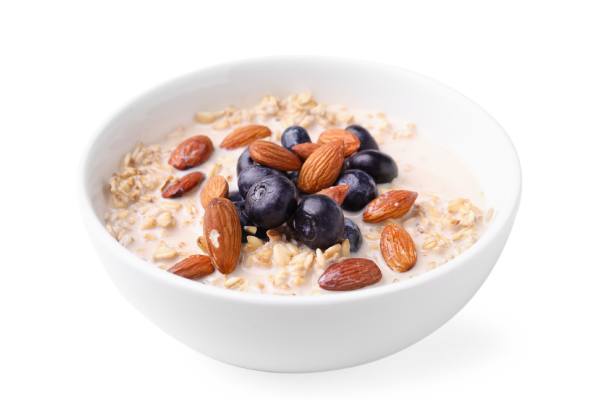
A 1-ounce serving of almonds provides six grams of protein, four grams of fiber, 13 grams of unsaturated fat, only one gram of saturated fat, and 15 essential nutrients, including magnesium, potassium, and vitamin E.
According to the research, while the greatest effects on diet quality were seen with the larger serving size, even the 30-gram portion led to significant improvements and moved diets closer to recommendations.
Despite the positive results, the Almond Board of California and the researchers were adamant that the study has limitations, as modeling studies based on existing data show associations but cannot prove cause and effect.
*All images are referential.
Related stories
2026 California almond forecast to remain steady at 2.7 billion pounds
California almonds poised for strong rebound, with high prices and record exports on the horizon
Edeka's bet on Iberian supply: Why California almond producers remain unfazed in the European market





Subscribe to our newsletter