Produce coalition urges USTR to protect the regional duty-free trade

 Add Fresh Fruit Portal to Google
The Produce Coalition for the USMCA, made up of a long list of industry bodies and sector leaders such as Mission Produce, Driscoll’s, NatureSweet, and Taylor Farms, is urging US Trade Representative Ambassador Jamieson Greer to reconsider the American position on the trilateral trade deal.
On July 1st, during the first scheduled review of the US-Mexico-Canada Trade Agreement (USMCA), the US said it would not renew the deal originally championed by the first Trump Administration and ratified in March of 2020.
According to the terms of the agreement and with the refusal of one of the parties to renew it, the USMCA remains in place but will go through a series of annual revisions for the next 10 years. At that point, the parties will have the opportunity to renew the deal or finally dissolve it.
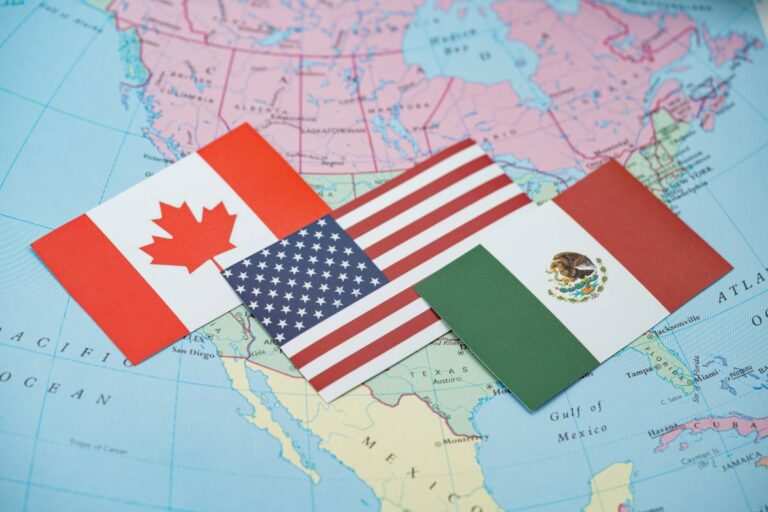
Meanwhile, the US is preparing to enter a new round of bilateral trade negotiations with Mexico at the end of July, which will surely involve the discussion of future conditions for a potential renewal of the USMCA further down the line.
Not giving up on the USMCA
Ahead of the long-awaited negotiations with Mexico, the Produce Coalition for the USMCA is emphasizing the importance of the highly integrated North American value chain.
In a letter dated July 9th, the organization is urging USTR Ambassador Greer to renew the USMCA and maintain duty-free trade in agriculture. The coalition says not doing so would greatly disrupt the North American supply chain, which is crucial to ensure food security in the US.
“The produce sector operates as an integrated North American market, with supply shifting seasonally across geographies to meet continuous consumer demand,” the coalition explained in its letter. “US production alone cannot sustain a 52-week market due to structural constraints, including water availability, labor and regulatory costs, climatic conditions, and land limitations.”

The missive illustrated how critical imports are as a key complement to the domestic market, with the avocado industry, which, at peak production in California, is only able to supply 17 percent of the national demand for the fruit.
Furthermore, the coalition emphasized the severe impact that the non-renewal of the USMCA or other potential trade restrictions, such as tariffs and tariff-rate quotas, would have on the US produce supply.
“Such measures would constrain supply during key periods, increase price volatility, and create inefficiencies throughout the supply chain—from sourcing and logistics to retail execution,” the letter reads. “These impacts would ultimately be borne by American consumers and businesses, with higher prices and reduced access to fresh food.”
US and Mexican delegations are scheduled to meet on July 20 to start a new round of negotiations.
You can read the letter from the Produce Coalition for the USMCA in full below:
*All images are referential.
Related stories
The US declines to renew USMCA, triggering first of ten annual reviews for the trilateral deal
USMCA scrutiny puts North American produce trade in the spotlight