The US declines to renew USMCA, triggering first of ten annual reviews for the trilateral deal
 Add Fresh Fruit Portal to Google
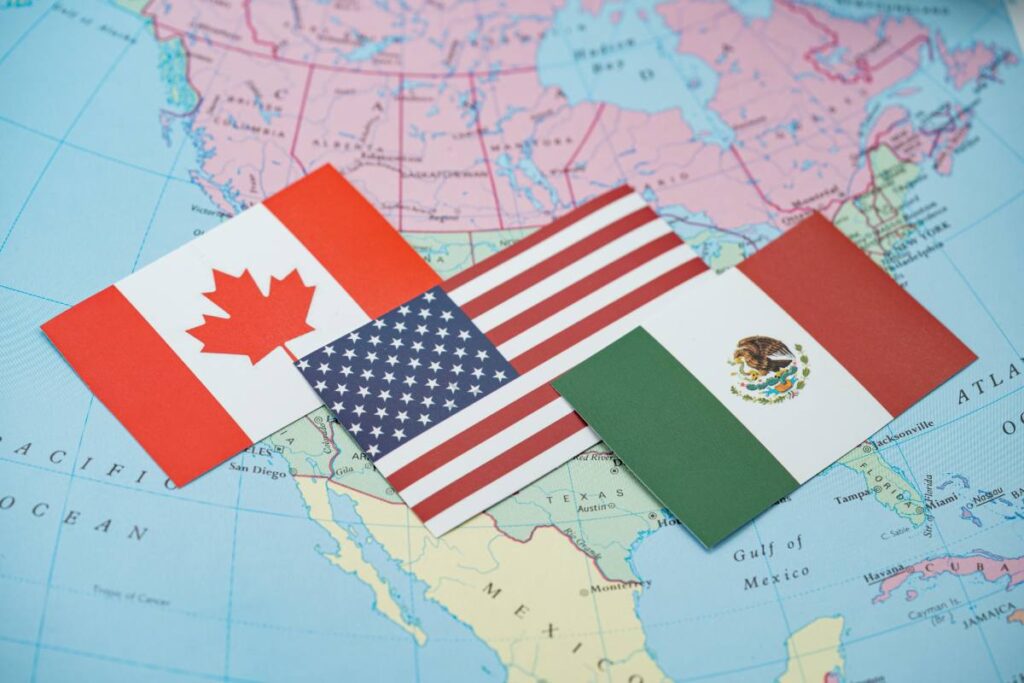
Unsurprisingly, given recent statements by senior authorities and even President Donald Trump, the United States declined to renew the United States-Mexico-Canada Trade Agreement (USMCA).
The news was announced on the evening of Wednesday, July 1, after US Trade Representative Jamieson Greer, Mexican Minister of Economy Marcelo Ebrard, and Canadian Minister of Internal Trade Dominic LeBlanc met virtually to discuss the future of the deal on the first deadline set upon its signing, back in 2020.
The nonrenewal of the USMCA automatically triggers the first review process that will take place annually for the next 10 years. During that time, trade conditions between the countries can change subject to new agreements made during these negotiations. The parties could also come to an updated version of the USMCA, but it would need to happen before time runs out in 2036, when the deal as it is will dissolve completely.
Trade deficit and car manufacturing: the sore points
According to Reuters, the US has cited the expanding trade deficit with Mexico and Canada and the reshoring of manufacturing jobs as the main points of dissent regarding the USMCA.
The news agency reports that even though trade among the nations accounts for $1.6 trillion annually, the US retains a growing trade deficit of $48.3 billion and $197 billion with Canada and Mexico, respectively. This, the outlet says, is largely a product of oil imports from the Great White North and the supply chain’s shift away from China due to US tariffs on goods from the Asian country.
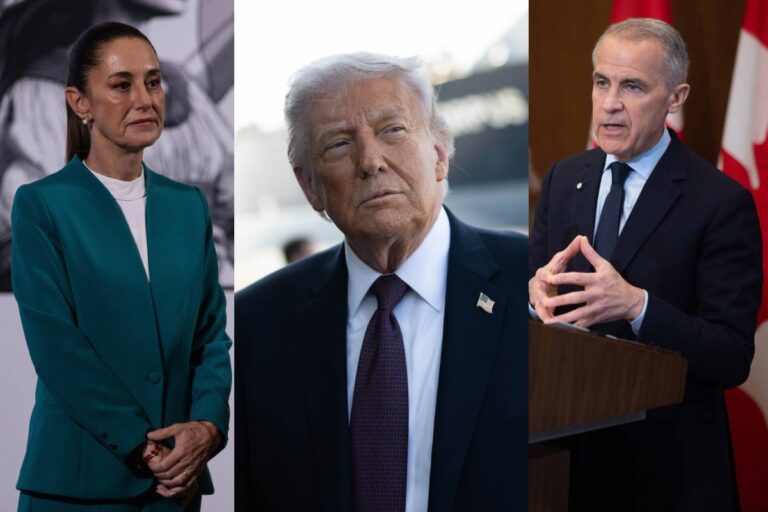
In a press conference, Ebrard said Mexico will hold bilateral trade negotiations with the US at the end of July. He explained the Aztec country is willing to address its neighbor’s concerns over job losses and the trade deficit, but noted that the strengthening of rules of origin for car manufacturing that the US wants to impose remains a contentious point.
"We wouldn't allow our [auto] industry to be at a disadvantage," Ebrard said. "I'd say that has been the main point of discussion with the United States in all these talks: protecting our automotive industry."
Meanwhile, US-Canada trade relations seem a bit colder, but LeBlanc said his country will continue to work with the Trump Administration on tariffs on steel, lumber, cars, and aluminum.
USMCA and the ag industry
Because of the convenient geographical proximity, the agricultural logistical and supply chains in North America have historically been intimately intertwined. Several producers and distributors have spread out their operations among the three countries to bolster their ability to offer year-round supply and make the best of the regional weather variety.
With this in mind, it comes as no surprise that the ag industry stood for the renewal of the USMCA and united under the cause.
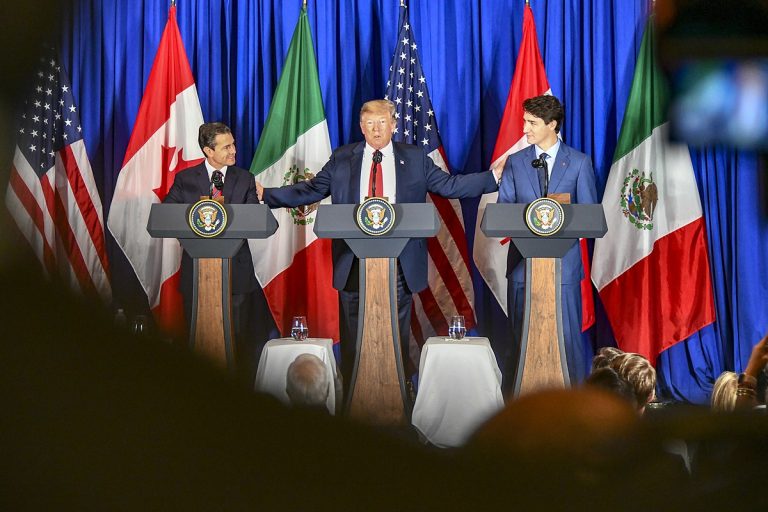
In a post on LinkedIn, the Agricultural Coalition for the USMCA, which includes, among others, the International Fresh Produce Association (IFPA), the American Farm Bureau, and USApple, stressed the importance of the trade deal. The group noted that even if the US refused to renew it in its current form, “negotiations are ongoing and the agreement remains in force.”
“Beyond revenue, this agreement provides the long-term certainty that allows the agricultural industry and farmers to make strategic planning and business decisions with confidence,” the group said. “We urge all three nations to continue making progress toward a renewed and strengthened United States-Mexico-Canada Agreement.”
This is a developing story…
Related stories
US Produce industry speaks up: The potential impact of the upcoming USMCA agreement review
Opinion | Failing to renew the USMCA would increase tariff uncertainty and harm Americans
USMCA scrutiny puts North American produce trade in the spotlight