







Ecuador confirms second TR4 case, activates contingency plan
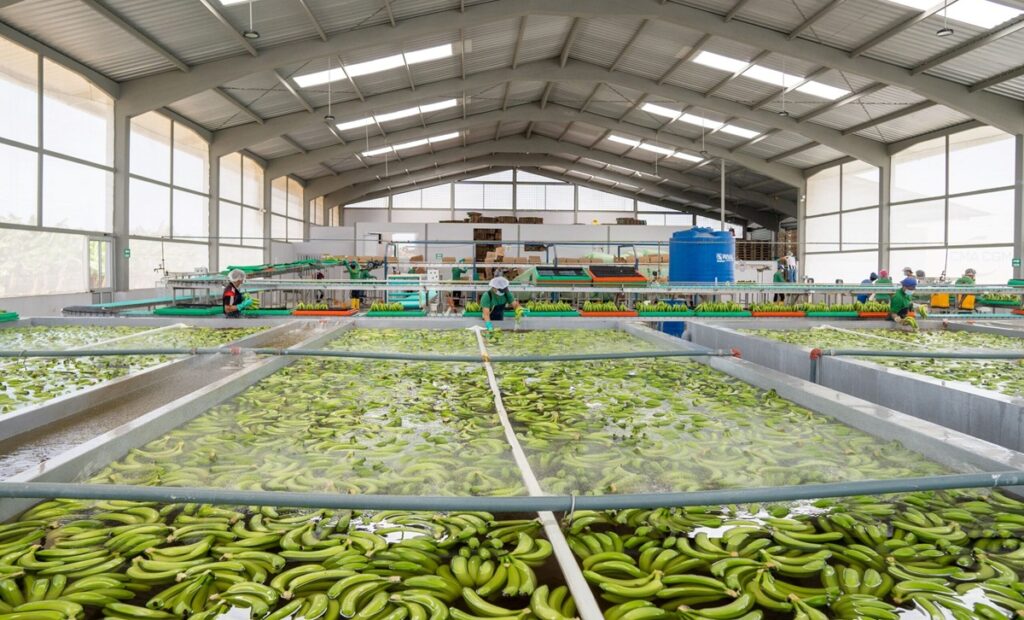



Ecuador’s Phytosanitary and Zoosanitary Regulation and Control Agency (Agrocalidad) confirmed on Instagram that a plant showing Fusarium Race 4 Tropical (TR4) symptoms was identified in the southern El Oro province. The property directly borders La Carolina farm, where the nation's first outbreak of the fungal disease was recorded.


"After collecting the corresponding sample and analyzing it in the agency's laboratory, we can confirm the second case of TR4 in the country," the entity stated in an official release.
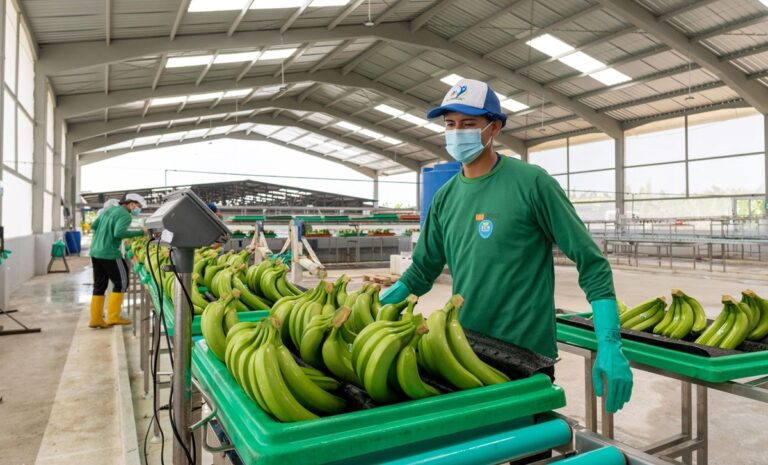
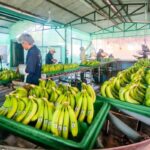
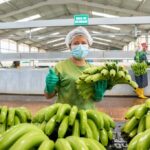
Image by ACORBANEC
Industry urged to join forces
Following the diagnosis, Agrocalidad immediately triggered its contingency plan, which includes containment and eradication efforts expected to continue over the coming weeks.
"Our technical team is currently executing all protocol actions, which include isolating the area, reinforcing biosecurity measures, and conducting ongoing sampling and monitoring across the sector to map out any potential spread and maintain control of the zone," the agency noted.
Government officials continue to provide technical assistance, training, and direct support to growers to strengthen baseline biosecurity protocols and preventive measures.
Agrocalidad called on producers, agricultural stakeholders, and the public to strictly adhere to all biosecurity guidelines, such as disinfecting tools, controlling access to farms, and monitoring plant health, to effectively prevent the spread of TR4 and protect the productive sector.
"Shared responsibility among producers, agricultural stakeholders, and the public is vital to preventing the spread of this pest and safeguarding one of the country's main export crops," Agrocalidad stated, encouraging collective action and emphasizing everyone's role in protecting agricultural health.
Industry reactions
José Antonio Hidalgo, Executive Director of the Association of Ecuadorian Banana Exporters (AEBE), called the situation concerning and urged all growers to ramp up biosecurity measures.
Speaking with FreshFruitPortal.com, Hidalgo explained that rainfall and the potential impacts of El Niño heighten the risk of the fungus spreading. He called on local authorities to step in and assist with maintaining drainage systems, canals, and containment levees.
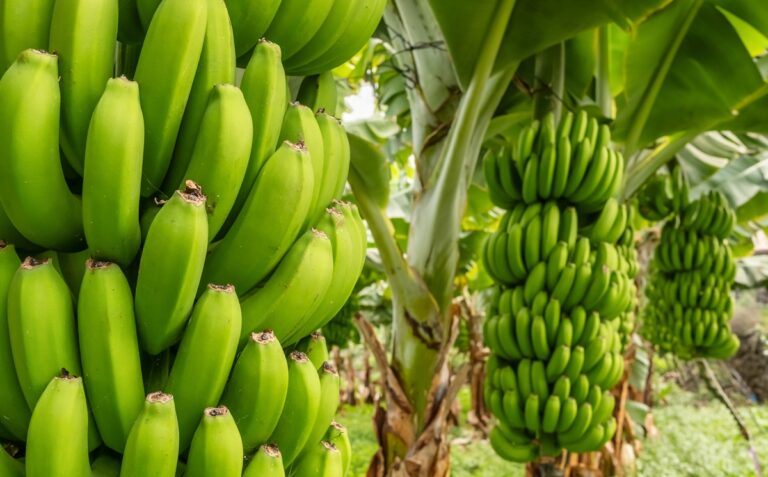
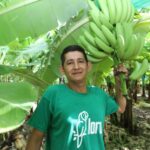
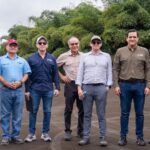
Image by ACORBANEC
Hidalgo highlighted that the local export sector is actively collaborating with Agrocalidad and international organizations to accelerate research into Fusarium-resistant banana varieties, fostering a sense of progress and shared purpose in finding solutions.
Executive Director of the Banana Marketing and Export Association (Acorbanec), Richard Salazar, told FreshFruitPortal.com that the infected farm was placed under strict quarantine. He confirmed that eradication and control protocols established by phytosanitary authorities will be fully enforced to contain the disease.
The executive stressed that preventing the fungus from spreading beyond the containment area through rigorous biosecurity measures is a key challenge, reinforcing the importance of each stakeholder's role in safeguarding the sector as research into resistant varieties continues.
"Ecuador maintains constant, transparent monitoring of its phytosanitary status. We will continue strengthening our preventive actions to protect the country's banana production," Hidalgo concluded.
*All images courtesy of ACORBANEC.
Related articles:
Colombia steps up TR4 protection efforts with public-private collab
Queensland researchers chime in on global battle against TR4





Subscribe to our newsletter