







This is how the US celebrates National Mango Day



by Francisco Seva Rivadulla, international agri-food journalist


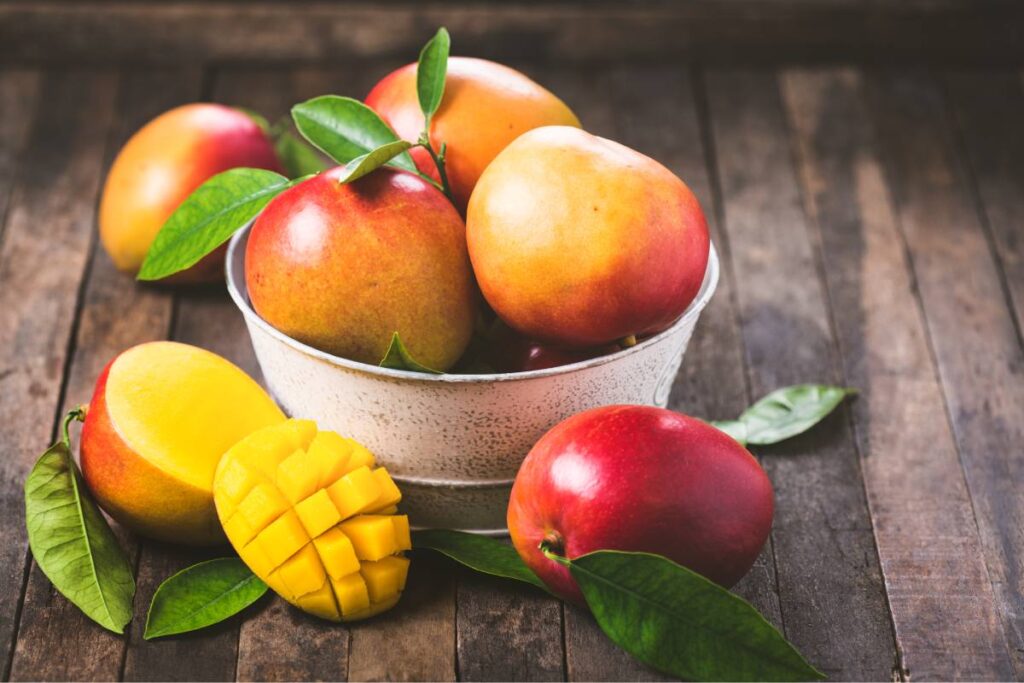
Every July 22, the United States celebrates National Mango Day, a date dedicated to honoring one of the world's most consumed and appreciated tropical fruits.
Although it is not an official public holiday, the celebration has gained momentum thanks to the work of the National Mango Board (NMB), an organization created by the United States Department of Agriculture (USDA) leading initiatives to promote mango consumption in the country.
The Mango Day celebration also highlights the role of Mexico, the main supplier of mangoes to the US market.
Thanks to its geographical proximity, favorable climate, and high-quality production, the country supplies a significant portion of the fresh mango consumed by Americans throughout the year. The Dominican Republic also stands out, with shipments of excellent-quality mangoes to the US market that help ensure supply and variety for consumers.

Through National Mango Day, the NMB seeks to bring the fruit closer to more consumers, highlighting its versatility in the kitchen, its health benefits, and its importance within a balanced diet.
Every year, to mark July 22, the entity promotes recipes, promotional activities, and social media campaigns, many in collaboration with Mexican importers and marketers, to invite people to discover new ways to enjoy this tropical fruit.
How Americans have included mango in their diet
In the United States, mango consumption has experienced sustained growth over the last few decades, making it the perfect market for Mango Day celebrations.
Countries like Peru, Ecuador, Brazil, and Guatemala complement the Mexican supply at different production windows, ensuring that consumers can enjoy fresh mangoes practically all year round.
In addition to its appealing flavor, the mango stands out for its nutritional properties. It is an excellent source of vitamin C, vitamin A, fiber, and natural antioxidants. These nutrients contribute to strengthening the immune system, ocular health, and the proper functioning of the digestive system. Mango’s content of antioxidant compounds also helps combat oxidative stress in the body.
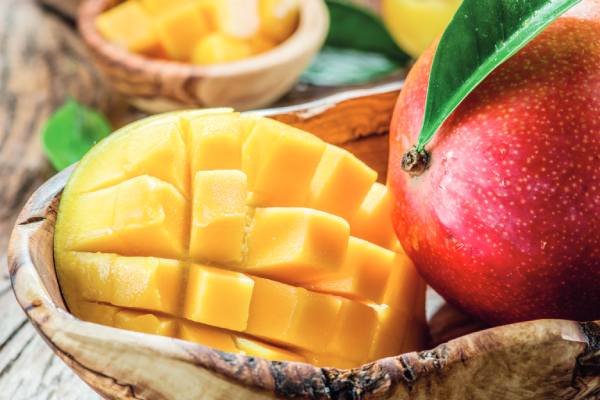
The culinary versatility of the mango is another reason for its success.
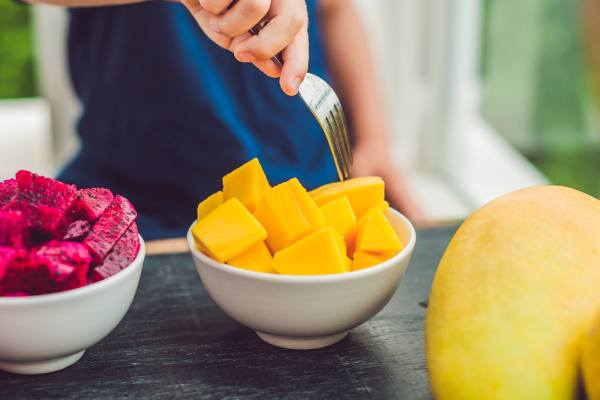
Consumers enjoy the fruit fresh, in salads, smoothies, juices, desserts, ice creams, sauces, ceviches, and even as an accompaniment to meats and seafood. In international cuisine, it is also part of traditional recipes such as India’s mango chutney or the popular hot sauces of Latin America.
Babies also enjoy National Mango Day
In addition to Mango Day, the NMB is driving a comprehensive campaign to promote the consumption of fresh mango in baby food, as well, highlighting its nutritional benefits and its versatility as one of the first fruits for infants.
Fresh mango is positioned as an excellent option thanks to its delicious flavor, its rich nutritional content, and how easy it is to add it to homemade purées. Furthermore, it pairs perfectly with fruits like banana, avocado, peach, and apple, generating additional sales opportunities.
The campaign is supported by an omnichannel strategy that includes point-of-sale materials, QR codes with access to recipes, nutritional information, blogs, social media content, videos, and support in digital media.
With a baby food market valued at $9 billion and a growing demand for healthy, practical, and sustainable options, this initiative seeks to support retailers and encourage the consumption of fresh mango among families, in a context where nutrition is the main purchasing criterion for new parents.
*All images are referential via Shutterstock.
Related stories
Mexican mango volumes to drop 27 percent this summer
How Mexico’s Grupo Espléndido is using cause marketing to drive mango consumption
Mexican mango industry bets on unity, quality and strengthening its position in the US market





Subscribe to our newsletter