


Climate disruptions put a question mark on US mango supplies
 Add Fresh Fruit Portal to Google
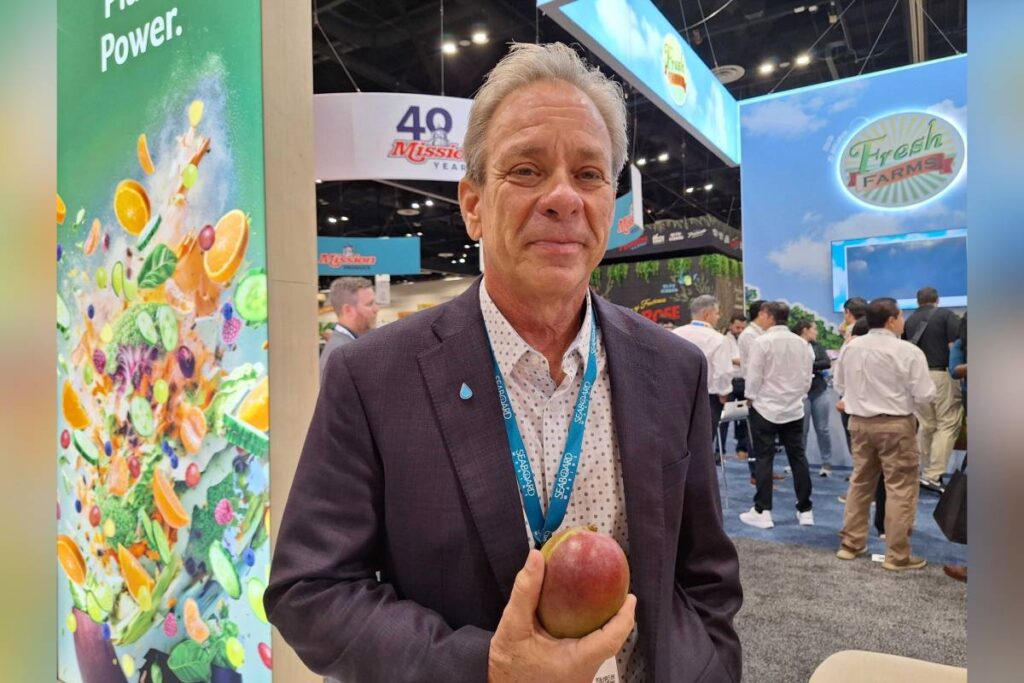
The mango market in the United States is going through one of its most complicated seasons, according to Albert Pérez, owner of tropical fruit importer Continental Fresh.
At the Global Produce & Floral Show in Orlando, Florida, the executive spoke with FreshFruitPortal.com and explained that weather volatility in the region has reduced mango production for export in Ecuador, putting American retailers in more than a pinch.
"Last season, around 14 million boxes of Ecuadorian mangoes were imported. For the current campaign, the forecast is around 7.2 million," he said.
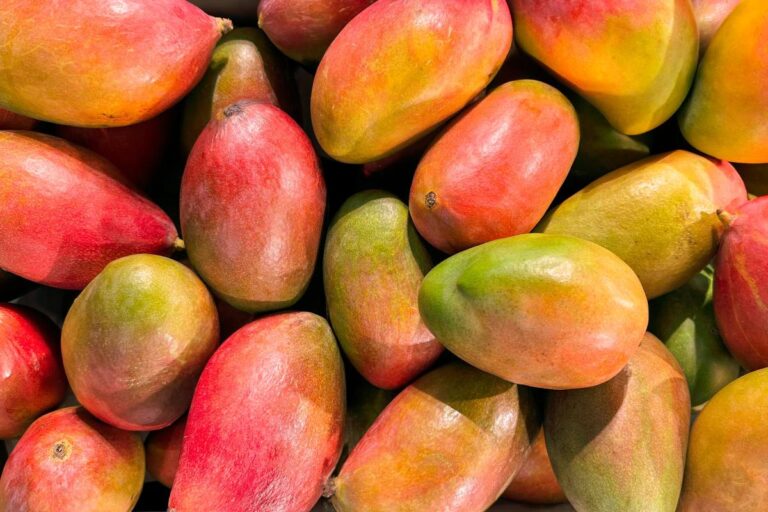
Image by Shutterstock
Peruvian output might have offset the situation, but the outlook there is not very encouraging either. According to Pérez, production in the Andean country this year could sit 30 percent below the previous campaign, which would prolong supply difficulties in the US market.
Volatility on the supply side has permeated prices, which remain high, as the uncertainty makes it difficult for retailers to schedule promotions up to four weeks in advance, Pérez explained. Unfortunately, the result is limited shelf space for the fruit at the point of sale, which the industry will have to fight for once production stabilizes.
Fresh-cut mango is having a moment in the US
Despite supply headwinds, Pérez explained things are looking brighter on the demand side, with one segment showing particular dynamism in the US: fresh-cut mango.
Driven by high demand for practical and good-for-you foods, processing volumes have increased considerably, and the executive said over 30 percent of his company’s fruit ends up in cubed and sliced formats.
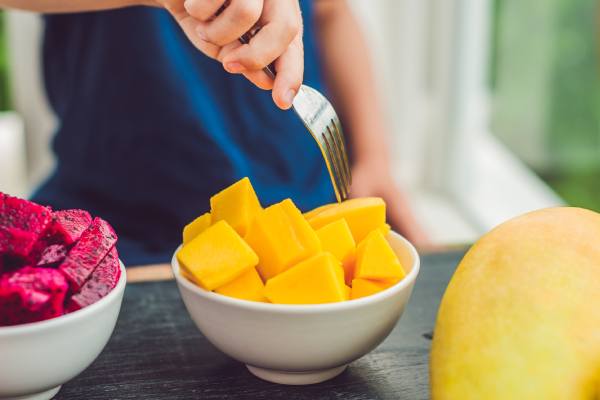
Image by Shutterstock
Pérez expects this trend to continue growing, adding to the market potential also exhibited by organic fruit, which currently only accounts for a small portion of category imports.
"Mango still has significant growth potential in the US, but regaining lost space will require production stability, a more diversified offer, and a sustained promotion and consumer education strategy," he concluded.
Written and reported by Macarena Bravo in Orlando, Florida.
*Main image by Macarena Bravo. Other images are referential via Shutterstock.
Related stories
Peru rains tighten United States mango market, driving prices up