


Opinion | America’s bananas can no longer be taken for granted
 Add Fresh Fruit Portal to Google
 By Tom Stenzel, Managing Director at BANA
Bananas remain America’s most popular fruit, but the reliable supply consumers see in US supermarkets depends on an increasingly challenging and costly production environment.
Growers in Ecuador, Costa Rica, Guatemala, Colombia, Honduras, Peru, Mexico, and other producing countries are confronting a combination of extreme and unpredictable weather, increasingly serious plant diseases, rising production costs, water challenges, and growing environmental pressures.
Americans tend to think of bananas as one of the simplest and most dependable foods in the produce department. But producing one that can be harvested, packed, shipped thousands of miles, and arrive in a US supermarket at an affordable price requires an extraordinarily complex agricultural and supply-chain system.
That system is currently under growing pressure.
Furthermore, the developing 2026 El Niño is adding a significant layer of uncertainty, bringing excessive rainfall and flooding in some areas and drought and water shortages in others. The World Meteorological Organization said in September that the phenomenon could become the strongest on record, and it’s nearly certain it’ll continue through February 2027.
Weather abnormalities put pest pressures on banana plantations
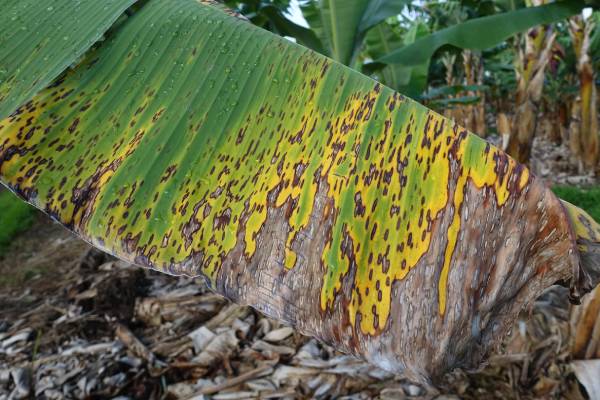
Image by Scott Nelson | Flickr
Changing weather can flip the board in Latin America’s growers’ battle against disease pressure. The two biggest threats are Black Sigatoka, a fungal disease that attacks banana leaves and reduces the plant's ability to produce fruit; and Fusarium Tropical Race 4 (TR4), a soil-borne disease that can be deadly to the plants bearing America's favorite fruit. These maladies are driving increasingly higher pest management costs for growers, including prevention, detection, field containment, research, and the development of resistant varieties.
Likewise, production costs for fertilizers, plastics, cardboard cartons, and pallets have rapidly increased in 2026. Escalating fuel costs are straining our industry's supply chain due to the Iran war, whether in bunker fuel for ocean shipping or diesel fuel delivering bananas from US ports throughout the country. Diesel fuel is now topping $6.20 a gallon, up 76 percent from $3.52 at the beginning of the year.
The challenges facing growers underscore the importance of maintaining a healthy, economically sustainable supply chain, so consumers should not take the availability of inexpensive bananas for granted. The fact that Americans can walk into virtually any supermarket and buy the fruit year-round at an affordable price is a remarkable achievement, but one that is increasingly under threat due to production and cost pressures.
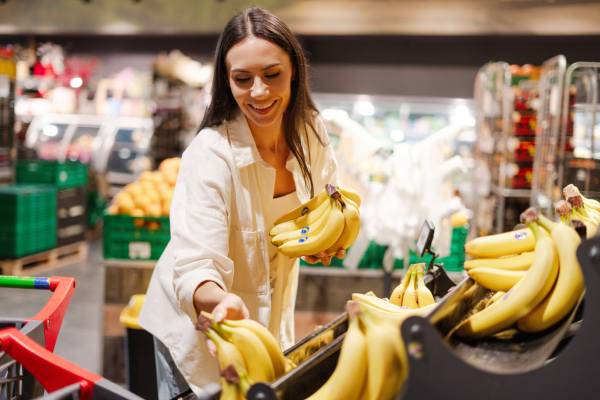
Image by Shutterstock
Government policymakers, retailers, and consumers all need to recognize the importance of continued investment in banana production and a sustainable supply chain. Our industry is working every day to make sure that the next generation of Americans can enjoy the same nutritious bananas that previous generations have taken for granted. That will require continued innovation, investment, and cooperation across the entire supply chain.
*Tom Stenzel's portrait courtesy of Tom Stenzel | All other images are referential via Shutterstock.
Related stories
Leading banana companies unite in new trade group BANA to support North American market
Colombia steps up TR4 protection efforts with public-private collab