






“We are surviving,” says Ecuadorian grower amid dragon fruit oversupply
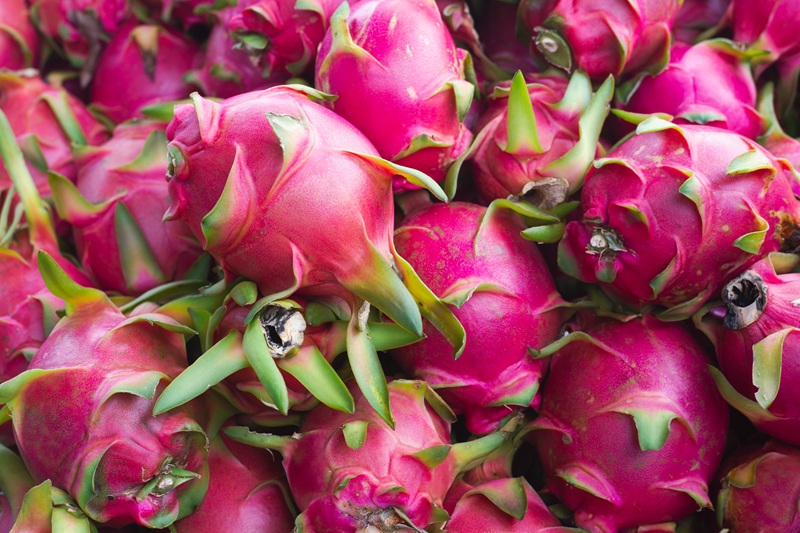

Ecuador’s dragon fruit sector faces significant challenges in 2025, with producers reporting widespread crop damage and collapsing prices. Ramón Martínez, manager of Hacienda Laia Margarita, described the year as “devastating” for the industry amid heavy rains and oversupply in key markets like the United States.

In the Manabí region, the country’s primary production area, unusual weather patterns flooded fields and hindered harvests, damaging an estimated 176,370 pounds of fruit. Martínez noted that the remaining harvests have been of poor quality, unlike the typical standards seen in Ecuador.
“The winter has left us in great hardship,” he told FreshfruitPortal.com, adding that last year’s exports totaled 112 shipments, but this year’s number has been less than half. Many producers are struggling to meet bank payments; however, the government has extended loan repayment terms to provide some relief.
Looking ahead, Martínez is cautiously optimistic that conditions will improve now that winter has ended. He said that the industry must manage its supply levels, as many countries (including Spain, Peru, and Mexico) are already producing substantial volumes of dragon fruit. Ecuador’s production exceeds 7,874 acres, with competition intensifying in the U.S. market due to increased supply.
Prices
Despite the oversupply, Martínez reported an increase in consumption trends, with demand beginning to stabilize as consumers become more familiar with the fruit.
“Dragon fruit consumption is starting to normalize because people are becoming more familiar with it,” he said. “It is still an expensive fruit because it is exotic, but it is being consumed more and more.” Ecuador’s all-year production offers a competitive advantage over seasonal producers like Peru and Mexico.
Retail prices have fluctuated sharply; Martínez noted that two months ago, dragon fruit sold for up to $2.27 per pound., but current prices are around 27 cents per pound. Many crops have recovered somewhat in recent weeks, though he emphasized that the current production levels are much lower than in previous years when the industry comprised 741 to 882 acres.
The market’s volatility has led to skepticism among buyers, who are aware of the surplus. “There comes a time when farmers who cannot sell their fruit become desperate and give it away for free,” Martínez explained. “The price they will pay is up to 9 cents per pound,” He stressed that prices this low are unsustainable and that “no one can bear that, because you don't cover your expenses, and that will deteriorate the quality of the fruit.”
Martínez advocated for a fair market price of $0.91 to $1.14 per pound, stating, “That would be a fair price, which should be set here in Ecuador and everyone should respect it because the farmer cannot cover any expenses with 27 cents per pound.”
He highlighted that Hacienda Laia Margarita has been in the industry for nearly a decade. “We decided to create our own brand, our own packing facility, to have our own crop, and we look for customers,” he explained. “We open and close the cycle. And that gives you a little more consistency when it comes to continuing to work and weathering these blows.”
Despite current hardships, Martínez concluded, “We are surviving, we are not making money, waiting to see what the market dictates.”
Related articles:



Subscribe to our newsletter