








NatureSweet on termination of Tomato Suspension Agreement: "It threatens to upend the fresh tomato supply chain"
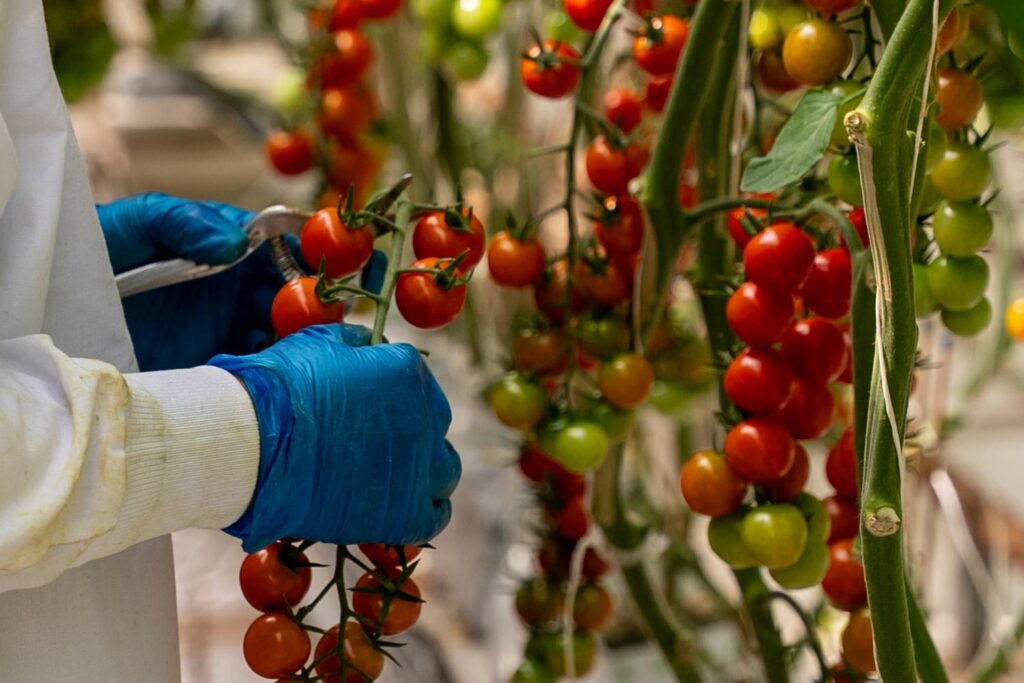



Through a press release, NatureSweet has expressed concern over the U.S. Department of Commerce's decision to end the longstanding Mexican Tomato Suspension Agreement (TSA). The company stated the move could significantly "disrupt the fresh tomato supply chain, reduce product availability, and pose food safety risks."

According to the San Antonio-based company, the 17.09% anti-dumping tariff imposed by the U.S. government on fresh tomatoes from Mexico could affect key varieties, such as grape and cherry tomatoes, grown primarily south of the border. Industry sources have anticipated problems such as fewer options, decreased availability, and higher prices for consumers and retailers.
NatureSweet President and CEO Rodolfo Spielmann said that, as a vertically integrated grower, the company can absorb some of the costs and the additional administrative burden these tariffs bring. "But we operate in a thin-margin industry in which our model is unique, and most growers and distributors are separate. Many smaller growers might not have this flexibility, and this new burden will push some to the brink,” he added.
The company also highlighted concerns about food safety and product quality, noting that reduced supply could lead some growers to cut corners or exit the market. Additionally, the firm explained that increased reliance on open-field operations, which it says are more difficult to monitor, could elevate contamination risks.
In the document sent a week after the government announced the termination of the TSA, NatureSweet renewed its commitment to minimize the impact on prices and protect product quality, while emphasizing the need for a collaborative, long-term solution that benefits growers, retailers, and consumers.
“Let’s not turn a trade dispute into a food crisis. Let’s fix this—before the damage becomes permanent,” said Skip Hulett, Chief Legal Officer of NatureSweet.
Related articles:
"Tremendous effects": Industry braces for tariff hike, lower growth as Tomato Suspension Agreement ends
Florida Tomato Exchange says TSA ‘failed in its basic purpose’ of ensuring fair trade
U.S. Chamber calls on government to reverse Tomato Agreement withdrawal
FTE hails end of Tomato Suspension Agreement as "an enormous victory"





Subscribe to our newsletter