








Opinion | 50% U.S. Tariff: A test of resilience for Brazilian horticulture



 By Margarete Boteon, Professor at Esalq/USP and horticultural researcher at Cepea.

The full 50 percent tariff imposed on fresh Brazilian fruits coming into the United States, which took effect on August 6, 2025, is one of the biggest tests of resilience the national horticulture industry has ever faced. This increase is a combination of the 40 percent surtax announced in July and the existing 10 percent tariff, putting significant pressure on the sector's competitiveness.
Despite the severity of the situation, and the higher costs and decreased margins involved, the partial continuation of mango and grape shipments—Brazil's main fresh fruits exports—to the North American market is, in the short term, preventing a collapse in the production chain. Still, the pressing question remains: how can the most vulnerable chains maintain profitability and investment capacity without quick, coordinated action?
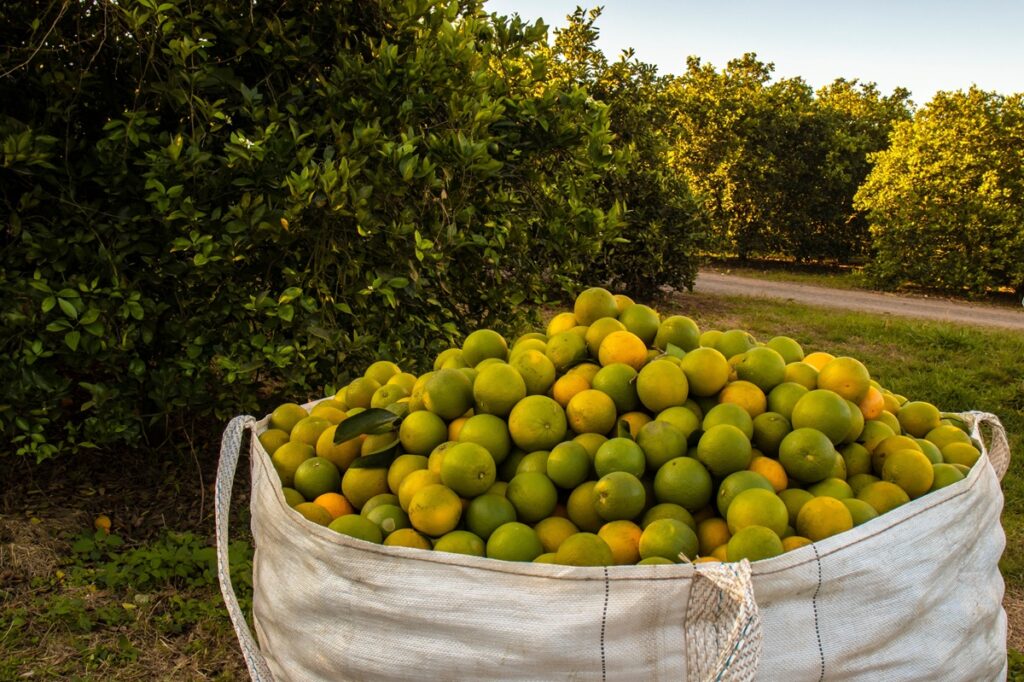
The case of orange juice shows that strategic coordination and proof of the commercial interdependence between Brazil and the U.S. can open doors. The product was excluded from the 40 percent surtax thanks to the joint efforts of the sector and its North American customers. They worked to convince the Trump Administration by demonstrating that the American market depends on Brazilian juice, and highlighting the importance of our industries' billion-dollar investments in U.S. territory.
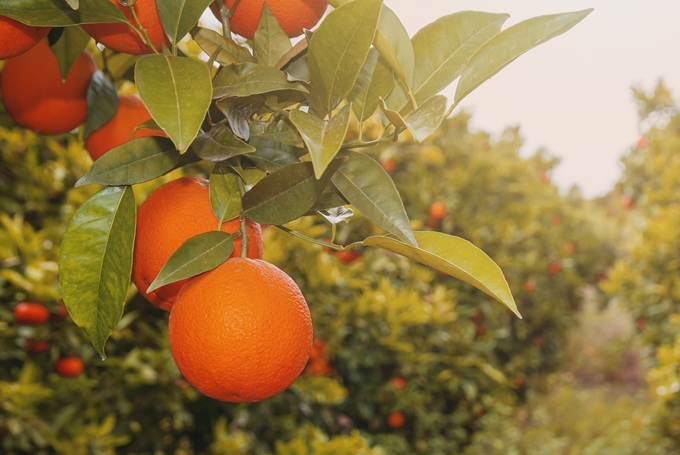
Mango and grapes, along with other sensitive products, like açaí and ginger, remain under the full weight of the tariff, directly impacting prices, margins, and expansion plans. The current situation demands a three-pronged response:
- International Mobilization: Negotiate with importers and seek tariff exemptions during periods when the North American market is most dependent on Brazilian fruit.
- Immediate Governmental Action: Provide emergency credit, extend financing deadlines, and accelerate tax refunds.
- Strategic Management in the Field and for Export: Stagger harvests, optimize logistics, and diversify markets.
The partial continuation of exports to the U.S. to honor existing contracts, combined with emergency measures and an aggressive plan to diversify markets, will be crucial for the Brazilian horticulture industry—not only to survive, but also to emerge stronger from this tariff conflict. This is not just about protecting competitiveness, but about preserving jobs, income, and added value in the fields and in the industry.
*Original column provided by CEPEA - Center of Advanced Studies in Applied Economy - Translation and editing by FreshFruitPortal.com





Subscribe to our newsletter