







Hope in the soil: New banana cultivars show TR4 resistance
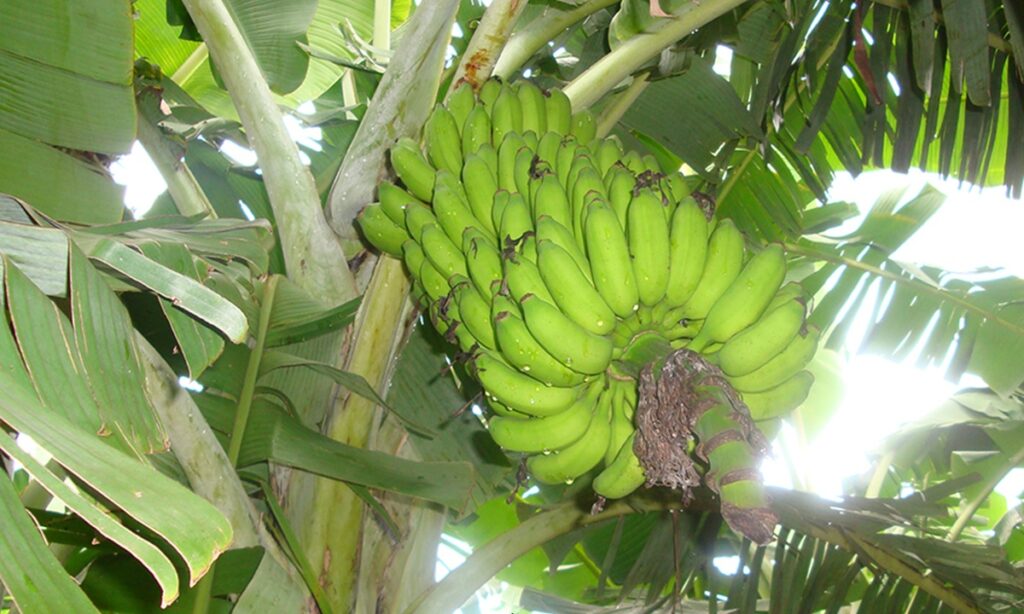



Fusarium Wilt Tropical Race 4 (TR4), also known as the banana industry’s biggest foe, could soon meet its match. Field trials conducted in Colombia have confirmed disease resistance of two Brazilian banana cultivars: BRS Princesa and BRS Platina, according to Brazilian agricultural research agency Embrapa.

The results represent a significant step toward mitigating the global spread of the fungus, which causes substantial crop losses and export restrictions. The fungus spreads primarily via contaminated soil, tools, footwear, infected but asymptomatic seedlings, and ornamental host plants.
The Colombian trials
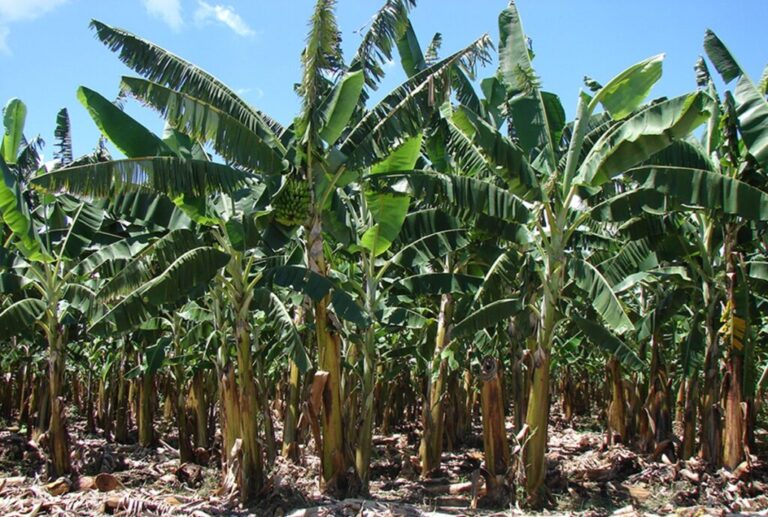
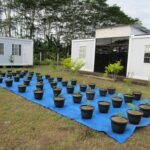
Embrapa's BRS Platina plantation | Photo by Léa Cunha.
The Colombian Agricultural Research Corporation (Agrosavia) led the trials in collaboration with Embrapa and the Colombian Banana Growers Association (Augura). Testing was carried out on the first Colombian farm where TR4 was confirmed. The research was supported by the Colombian Agricultural Institute (ICA).
BRS Princesa and BRS Platina were grown alongside highly susceptible Williams bananas from the Cavendish (Nanica) group. Initial in vitro seedlings arrived in Colombia in January 2022 and underwent an eight-month quarantine at an ICA facility to confirm they were free from exotic pathogens.
“When they grew larger, BRS Princesa and BRS Platina were moved to the field, to an area that already had the disease,” says Mónica Betancourt, senior researcher at Agrosavia and leader of the trial.
Four production cycles were established, and by the third cycle, less than 1 percent of the Brazilian plants showed symptoms of the disease.
“A range of five percent to eight percent would be considered high risk, so we consider them to be resistant,” she said.
Betancourt also notes that productivity comparisons are pending, as comparable varieties such as Prata and Maçã are no longer cultivated in Colombia due to earlier TR4 outbreaks. The genetic material has also been introduced to Colombia as part of a planned breeding program aimed at enhancing resistance in Cavendish types.
“It would be a replica of Embrapa's program, but for Cavendish,” she says.
On the field testing
Edson Perito Amorim, who leads Embrapa’s Banana and Plantain Genetic Improvement Program, says the Colombian collaboration allowed Brazilian hybrids to be tested in real-world conditions. One of the three hybrids evaluated is expected to be commercially launched by 2026.
Embrapa researcher Janay Almeida dos Santos-Serejo reports that derivatives of the Cavendish Grande Naine were also sent to Colombia. These lines have previously shown resistance to Subtropical Race 4 in Brazil and may prove resistant to TR4. At least one resistant variant is expected to be identified by 2026.
“The challenge is not only to develop resistance, but to satisfy producers and consumers with quality, productivity, and flavor,” says Amorim.
Fernando Haddad, plant pathologist at Embrapa, notes that while laboratory tests had already suggested resistance, confirmation came only after pathogen inoculation in the field.
The trial is part of a broader effort funded by Augura and scheduled to run through 2026. Embrapa states that the results underscore Brazil's long-term investments in banana breeding, biotechnology, and molecular research.
Related stories
Study reveals complex evolutionary history of modern strawberries


Subscribe to our newsletter